Project name: Self Edge Chinois Restaurant
Interior design: SEEU bureau
Location: St. Petersburg
Photo: Dmitrii Tsyrenshchikov
Area: 212 m2
Year: 2026
Project description from design firms SEEU bureau
The new restaurant Self Edge Chinois, recently opened in St. Petersburg, offers no ready-made answers. It is a space meant to be read—where every detail functions as a sign, a symbol, or a reference to Chinese culture and mythology. Self Edge Chinois operates as a form of artistic mediation, refraining from imposing interpretations. The architectural bureau SEEU has translated meanings into material form, giving guests the freedom to interpret the space themselves: each visitor may discover their own layer, symbol, or even route through it.
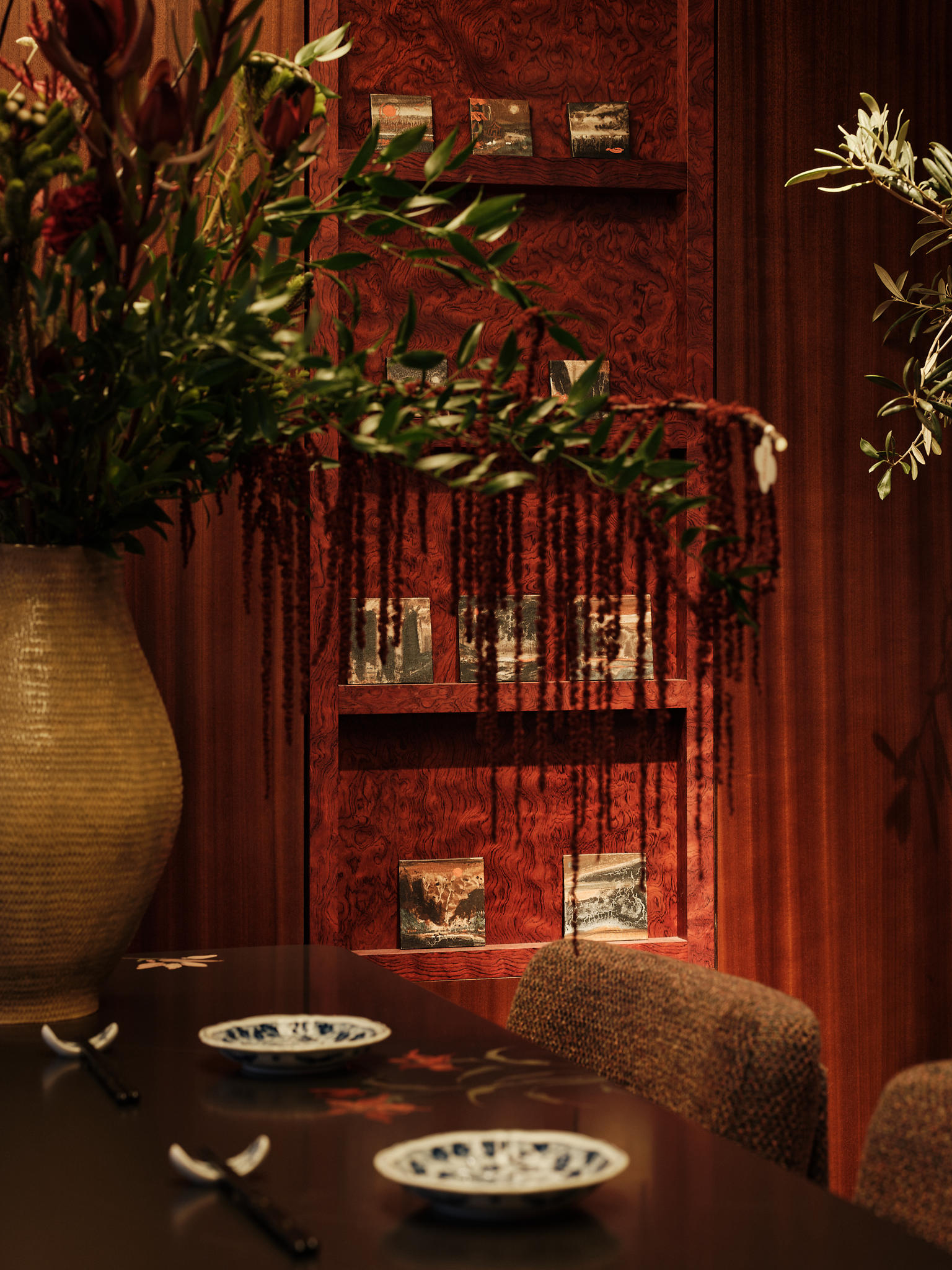
The interior is filled with allegories and subtle references. Natural textures of wood and stone, a restrained palette, and the absence of visual noise create an environment for focused perception—both of the pure flavors of Self Edge Chinois’ ingredients and of the restaurant’s carefully composed visual impressions.

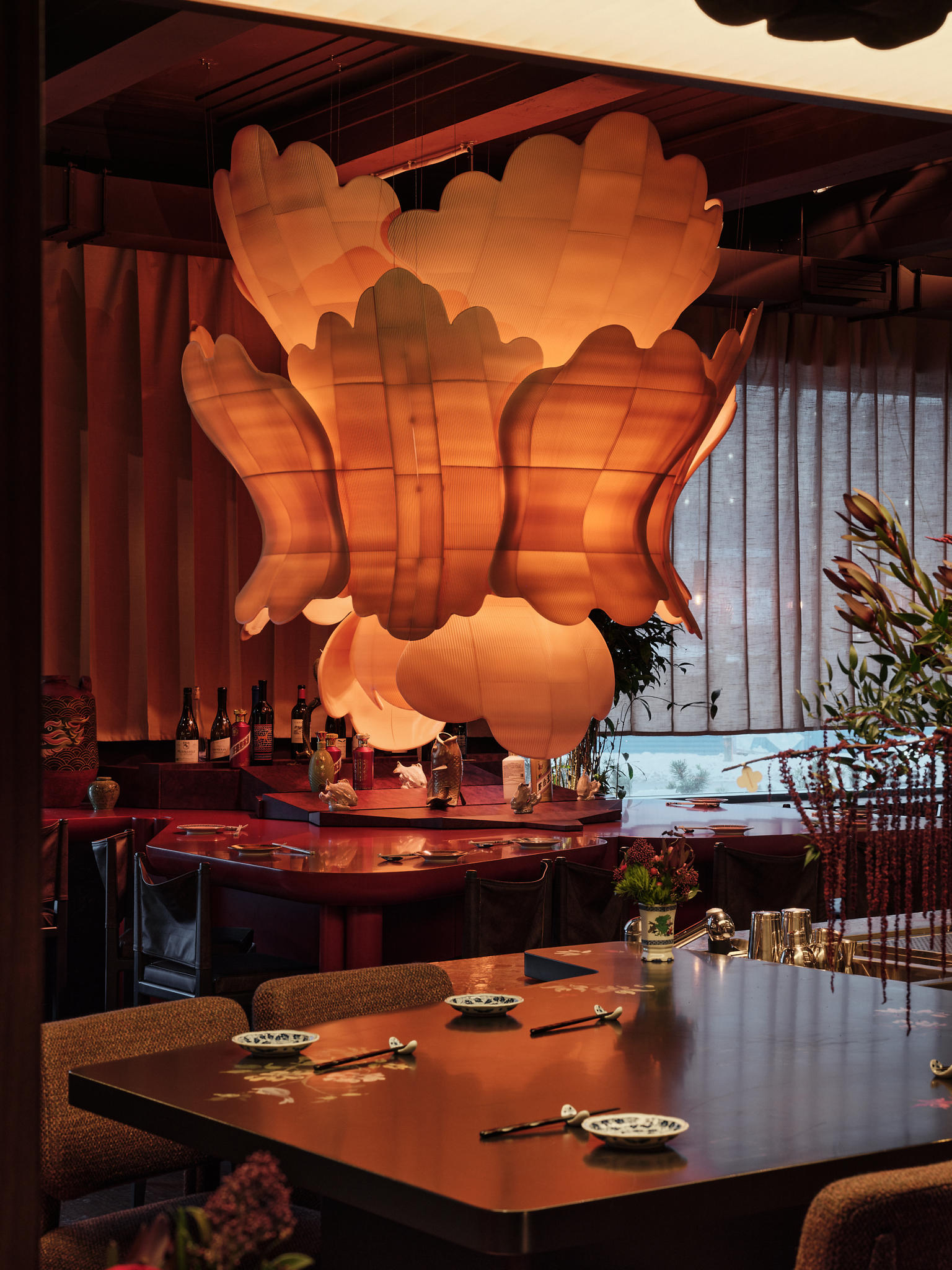


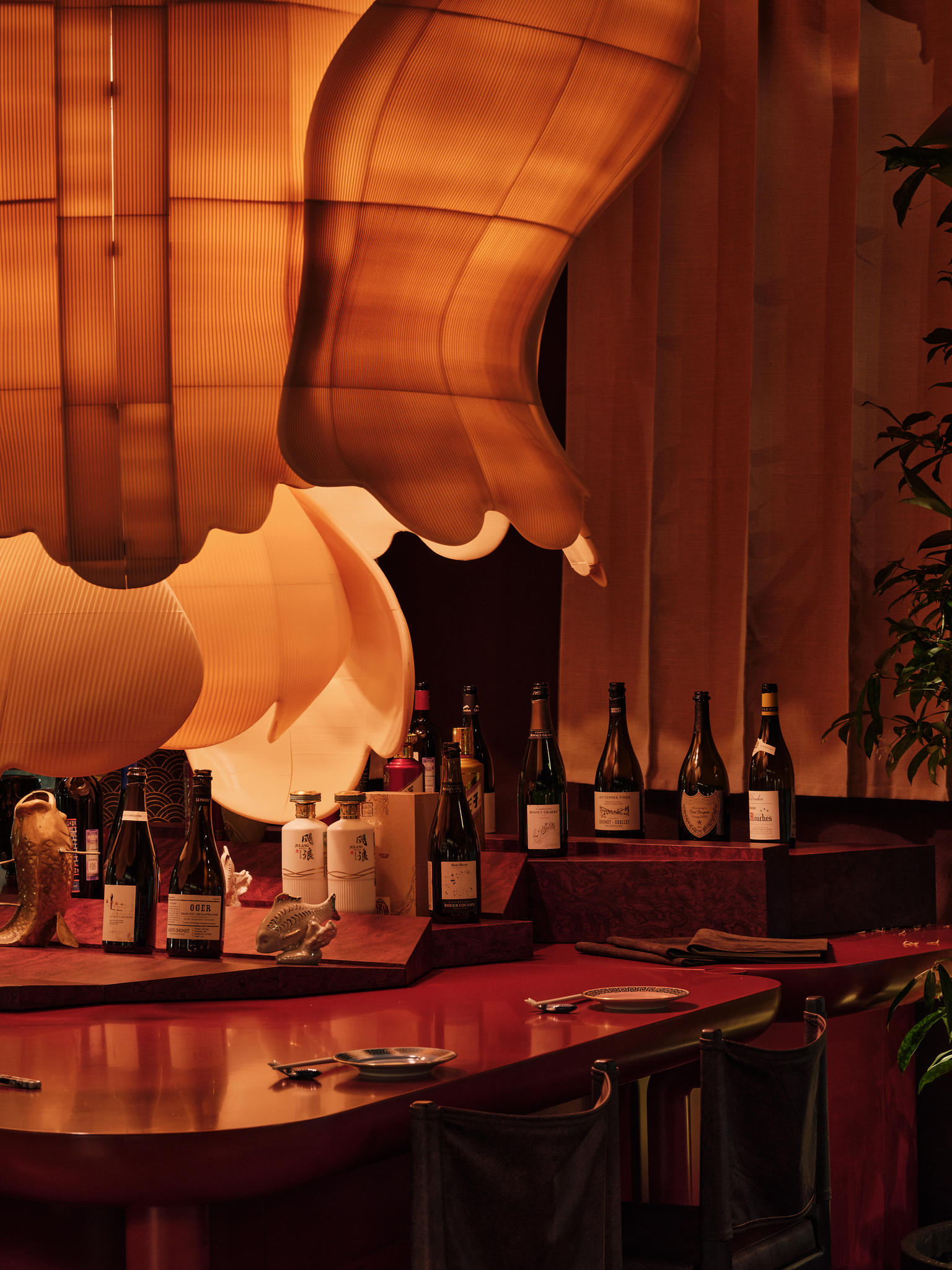

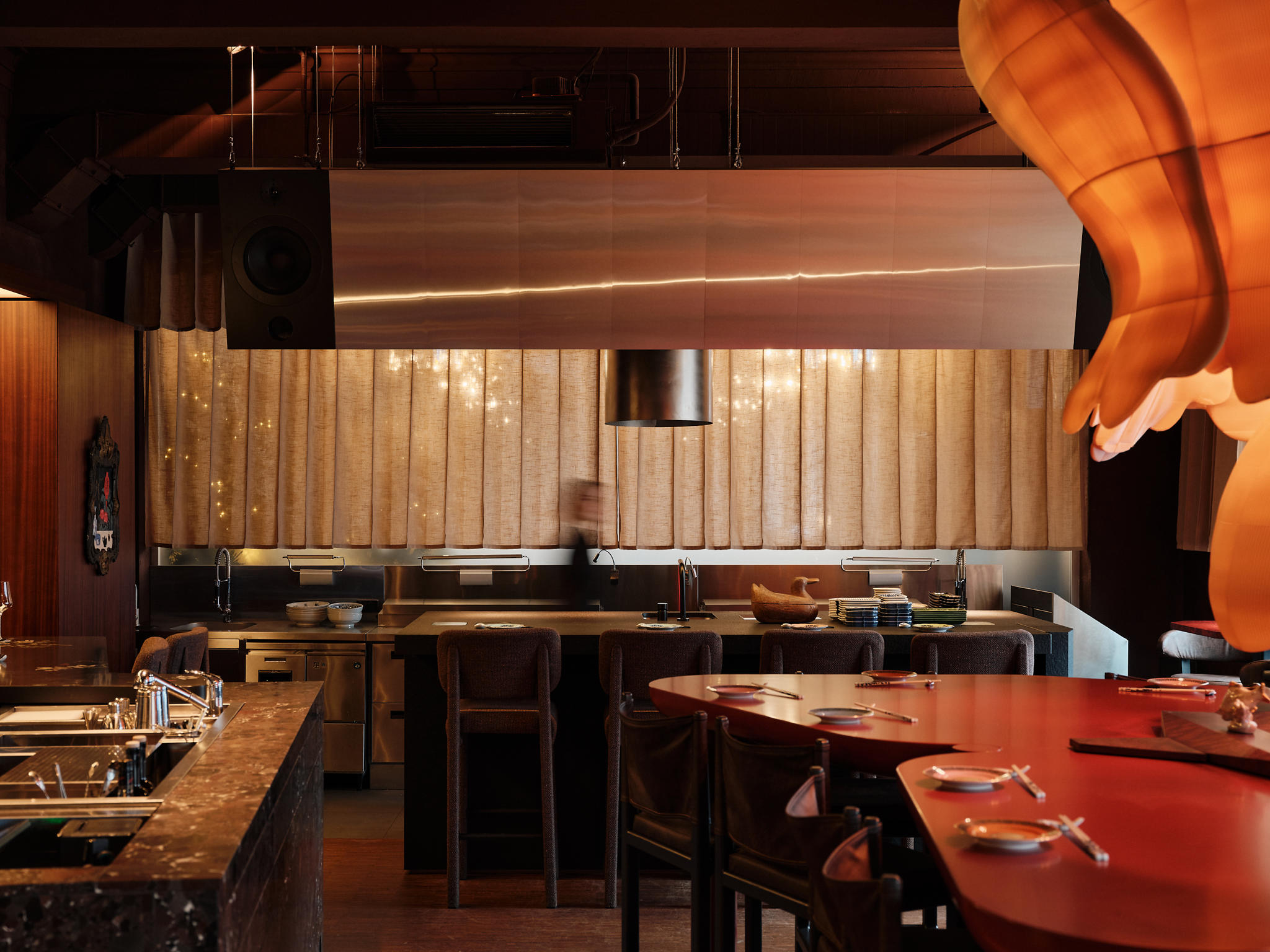
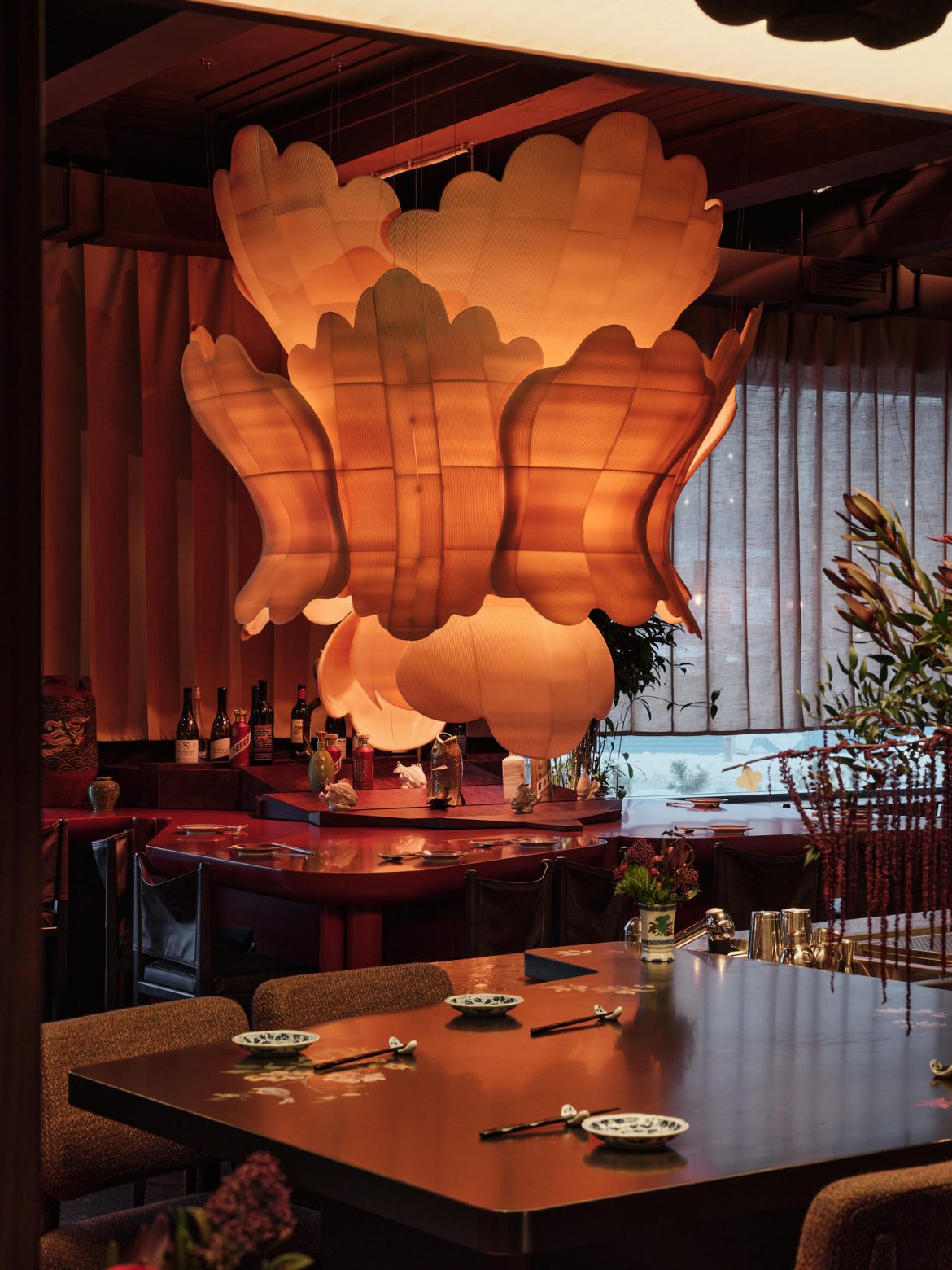
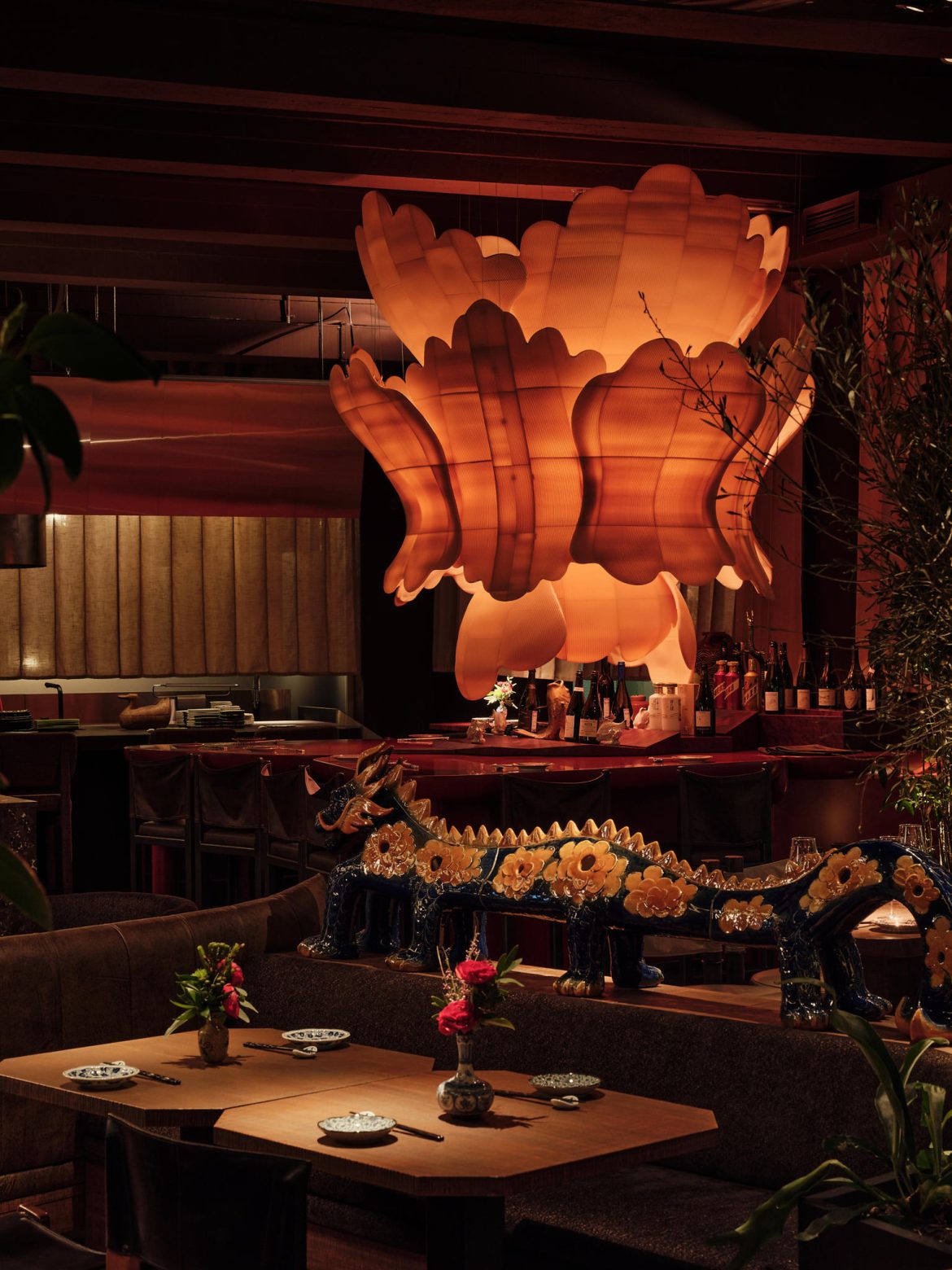
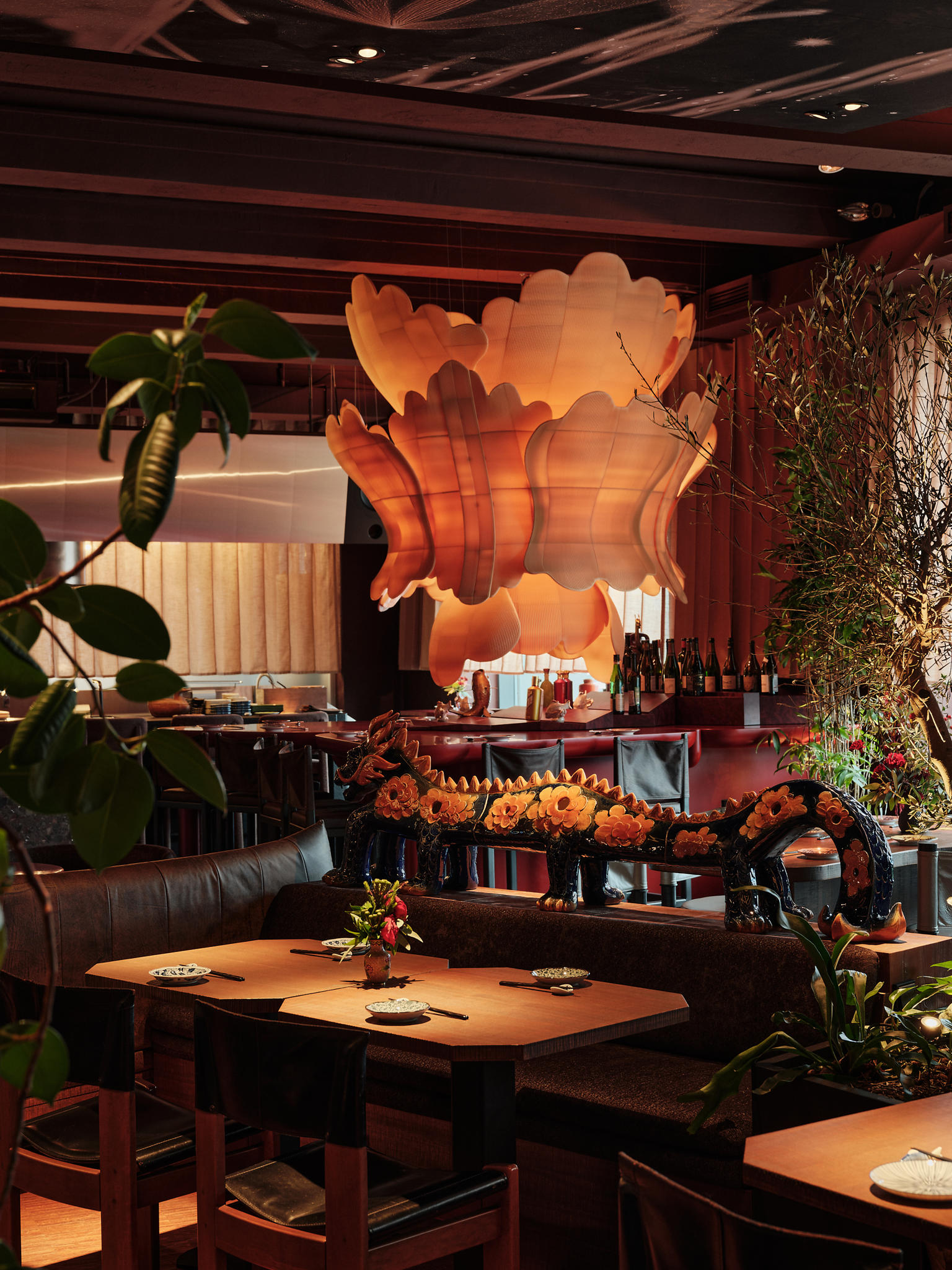
The first thing guests see upon entering the restaurant is the central art object suspended above the table. It resembles a giant flower, the sun, or even waves of fire. The architects of SEEU suggest searching for the answer within Chinese culture. The sun is not merely a source of light or a celestial body; it symbolizes life force, universal order, cyclical time—and, inevitably, sunset. Here one may see the setting sun reflected on the surface of the table like glimmers on water. The feeling emerges of being on the boundary between different elements: air and water, day and night, movement and stillness. If you see a flower, you are not mistaken either—in Chinese mythology it represents virtue and serves as a bridge between worlds. Or perhaps you noticed the fiery breath of a dragon and the waves as a powerful flow of qi energy. All interpretations are possible.
Nearby is the omakase counter. Guests sit in a row, facing the chef. This zone deliberately shifts attention away from the familiar social dynamics of a restaurant toward the contemplation of the cooking process itself. Omakase quietly draws one into a state of concentration—on gestures, movements, the texture of raw fish, the rhythm of the knife, and ultimately the taste. The chef becomes a mediator between the product and the viewer. Almost like in theatre or performance art, where the pause between moments can be more meaningful than the words themselves.




YOU MIGHT ALSO LIKE
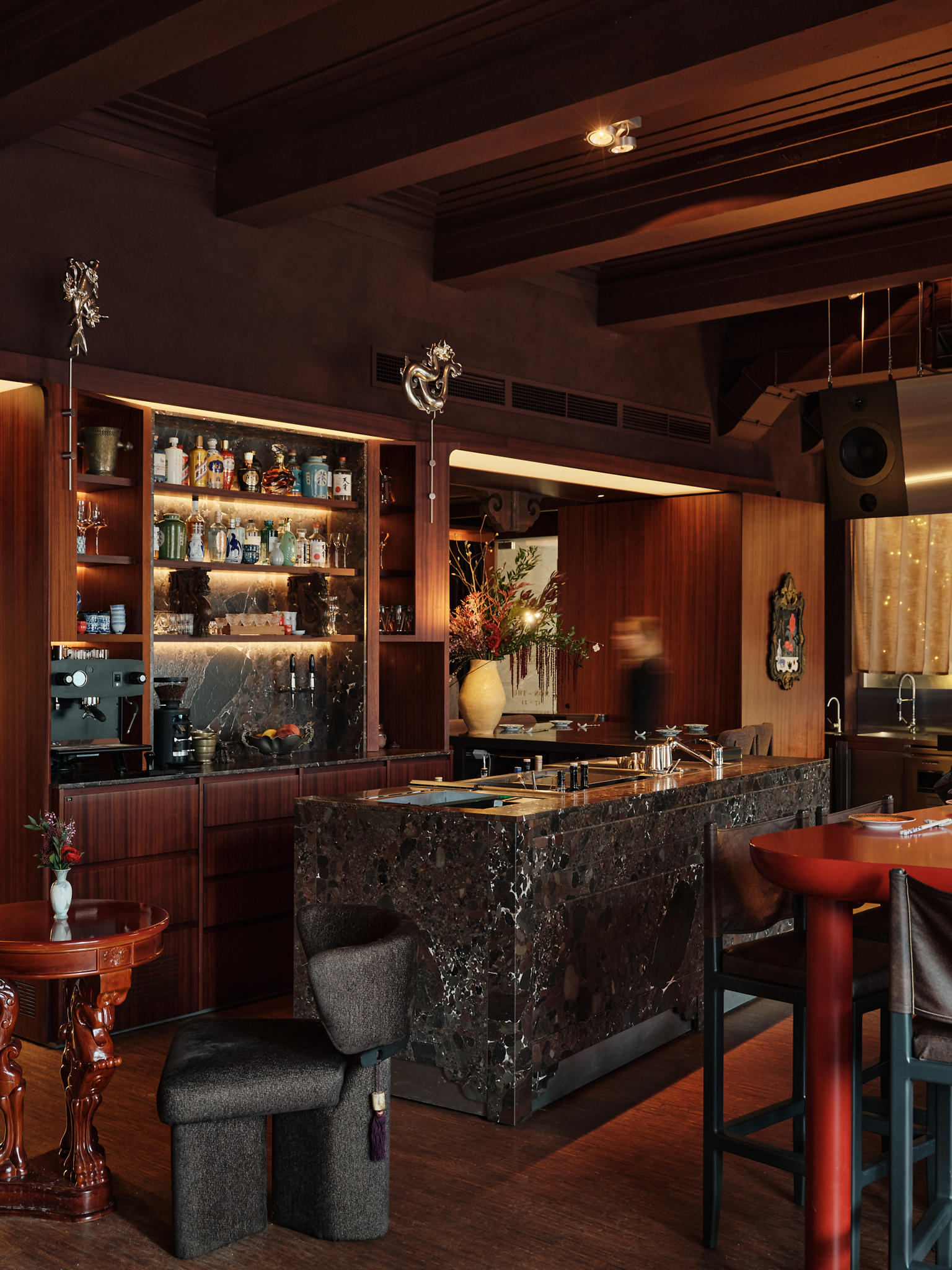
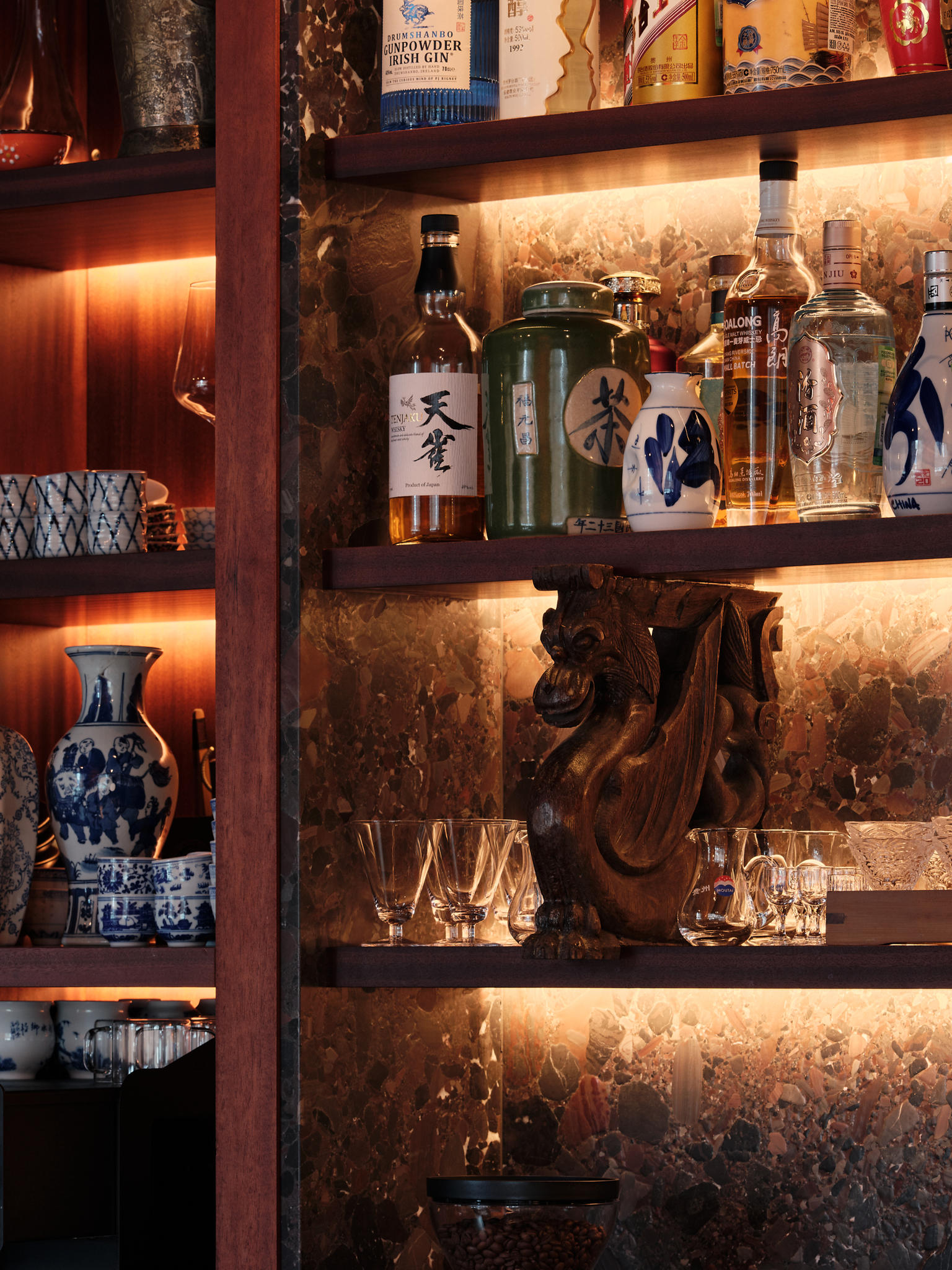
The bar area is equally immersed in symbolism. The counter is designed in the form of a large Chinese chest. Two sculptures stand upon it: a carp and a dragon. In Chinese mythology, a carp that leaps through the Dragon Gate transforms into a dragon—a creature of higher order, strength, and wisdom. Perhaps the bar here becomes the “gate,” leaving the guest only to taste baijiu to complete the transition.
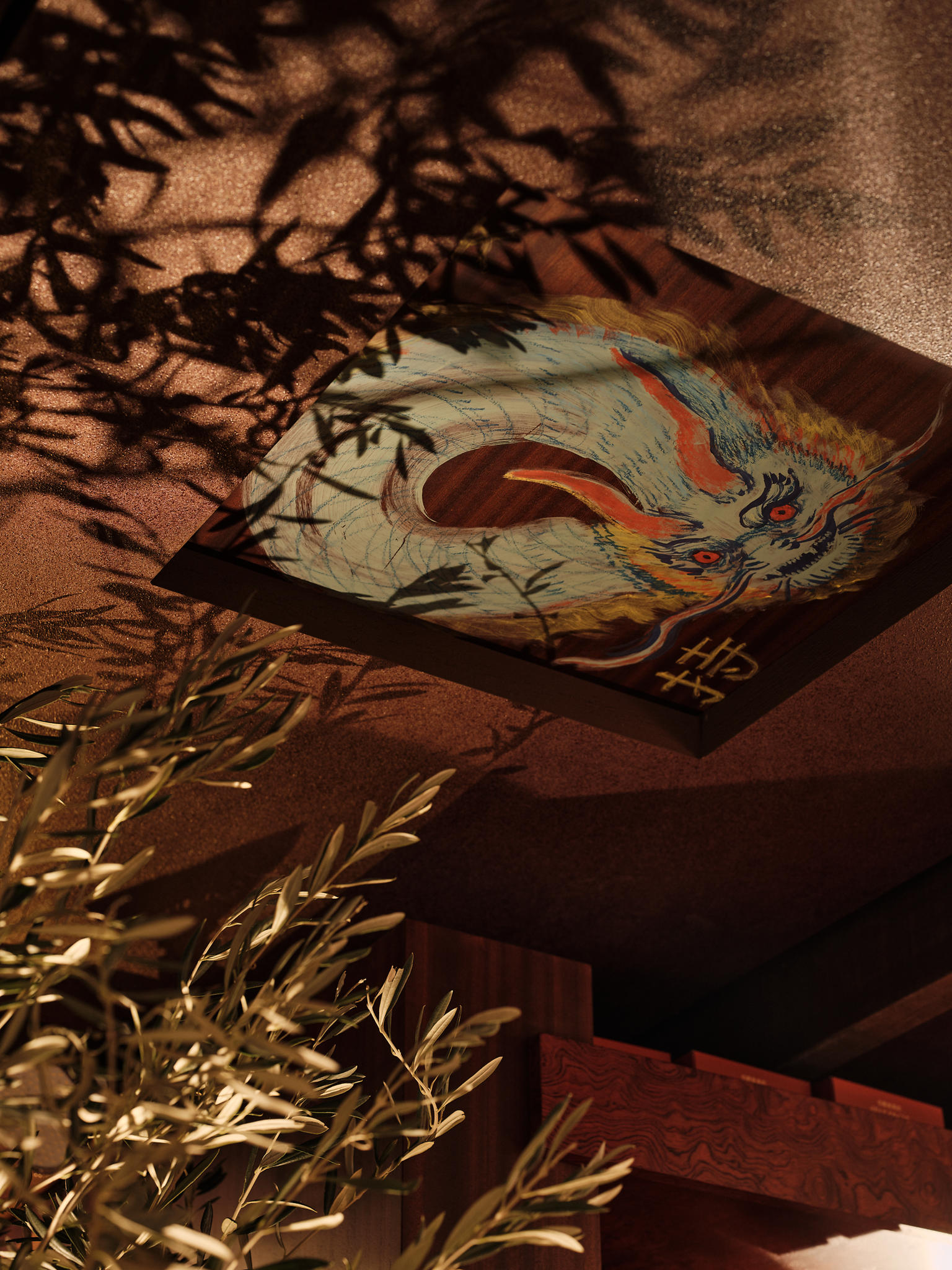
In the seating area, the image of the dragon appears again in the form of a static sculpture. In Chinese mythology, the dragon embodies yang—the active, celestial principle. It symbolizes good fortune and represents talent and nobility. Yet this six-legged statue may also function as a protective talisman, since the dragon in Chinese tradition is closely associated with guardianship and patronage.
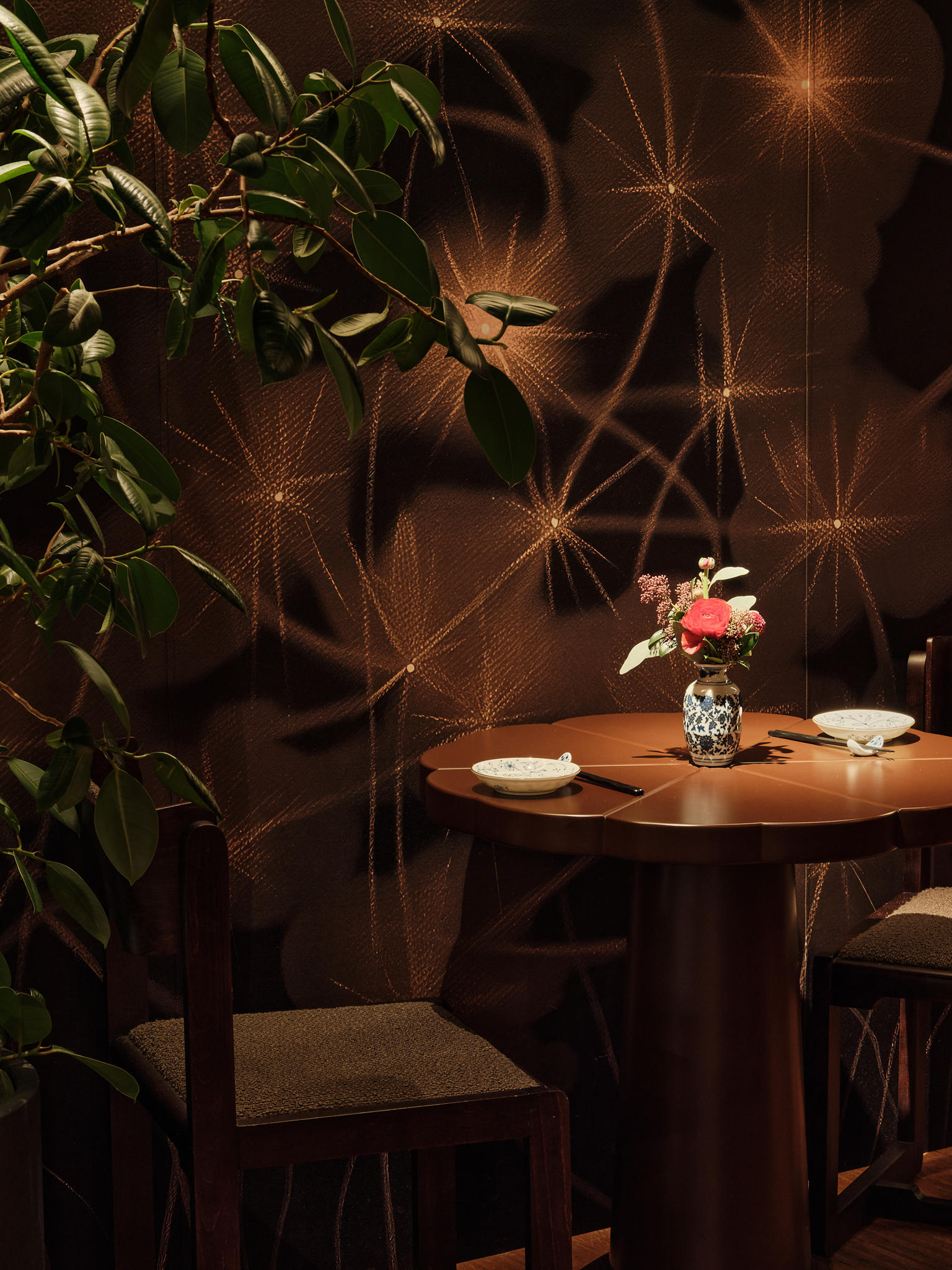
Fabric panels with printed patterns also set the emotional tone of the main dining hall. Abstract in nature, they refer to Chinese aesthetics on the level of sensation rather than form. These images resist definitive interpretation—and therein lies their power. Each guest reads them differently. One thing is certain: the compositions hold something both calming and mysteriously evocative.


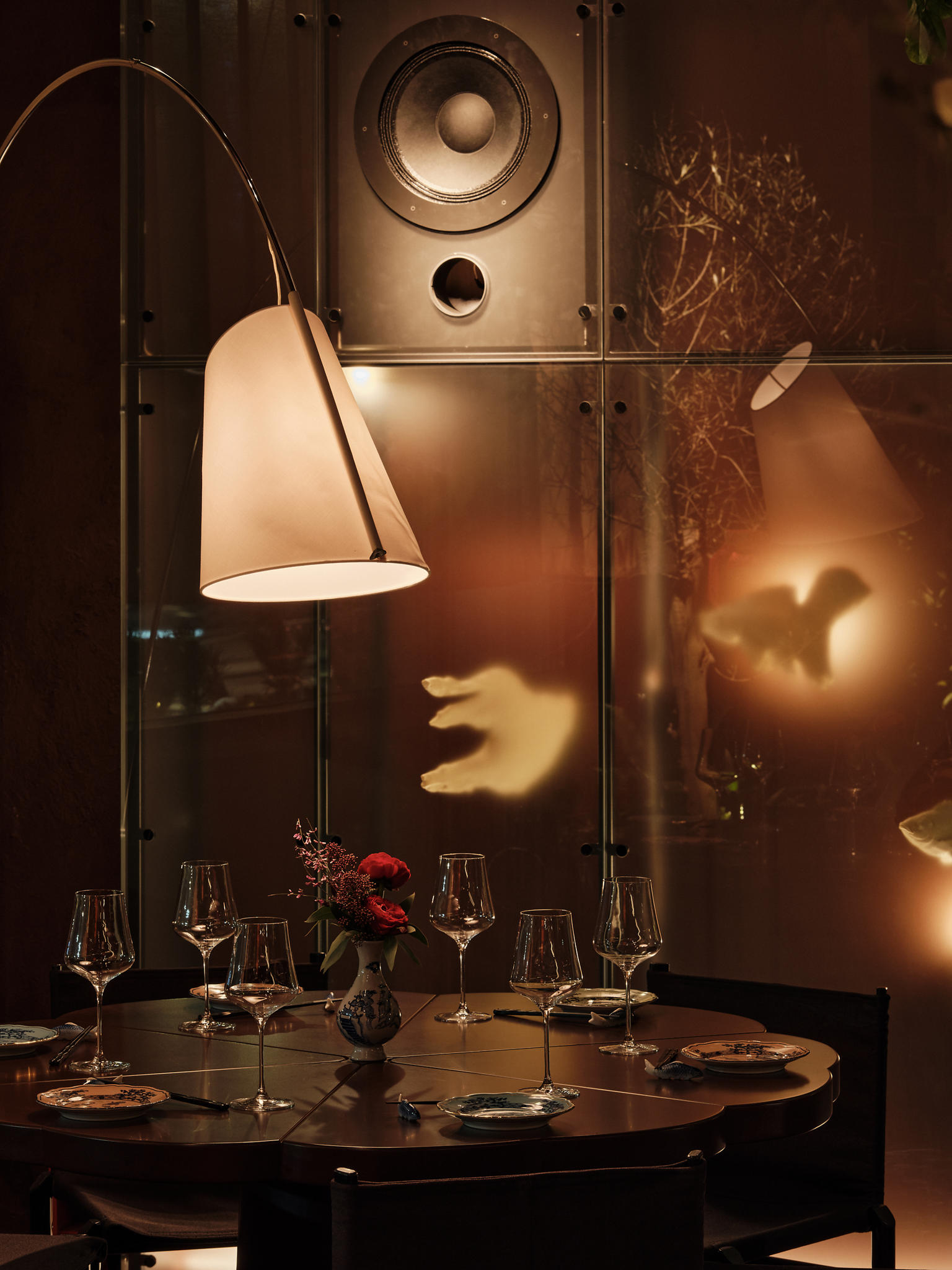
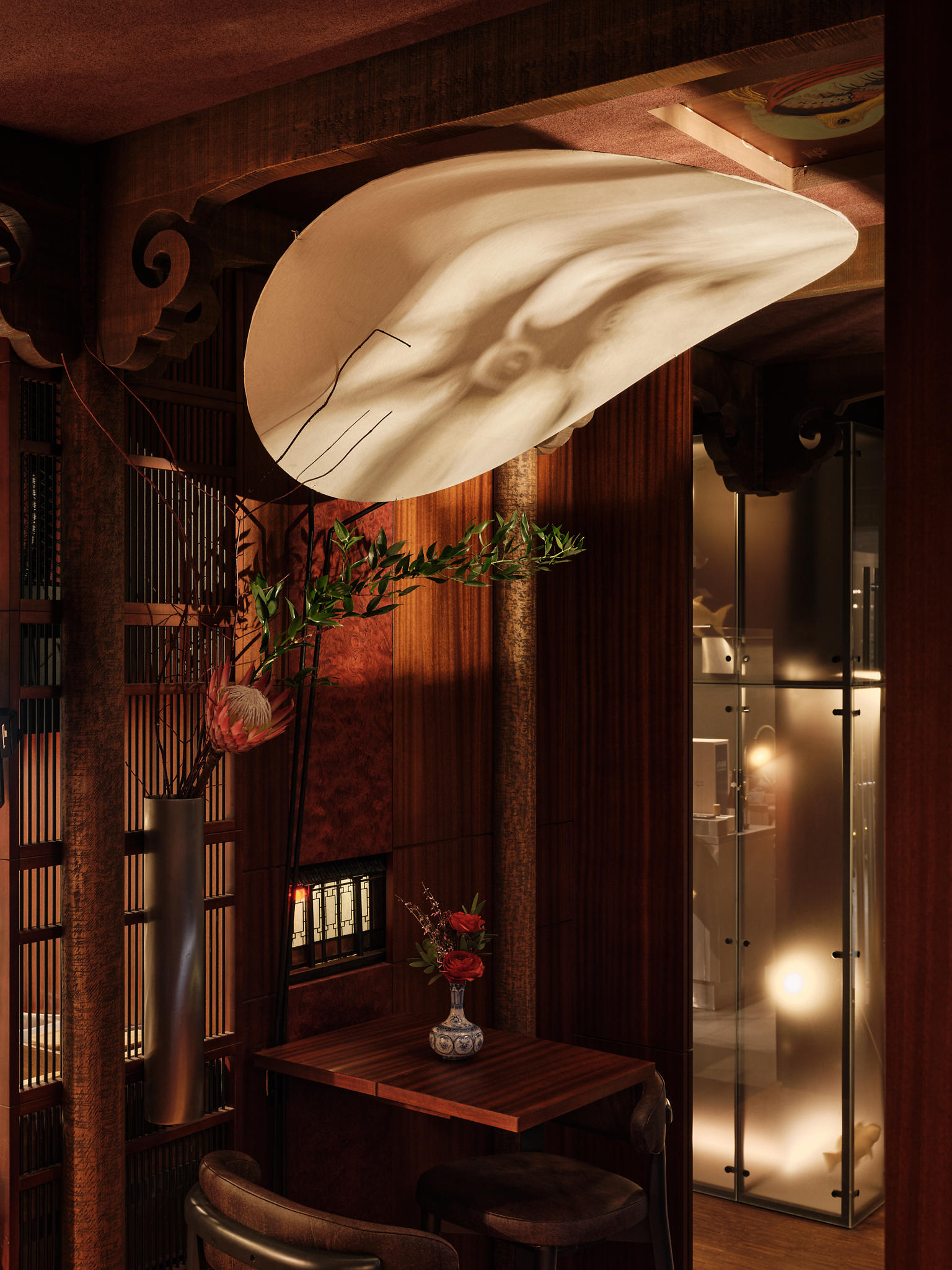
The image of the Chinese fan—one of the key symbols of the culture—is subtly integrated into the restaurant’s space. Here it appears as a gesture of interaction with light. In Chinese tradition, the fan has long served as a symbol of status and education, embodying wisdom, elegance, harmony, and authority. This element does not loudly draw attention to itself—and in this quiet presence its allegorical nature becomes most apparent.
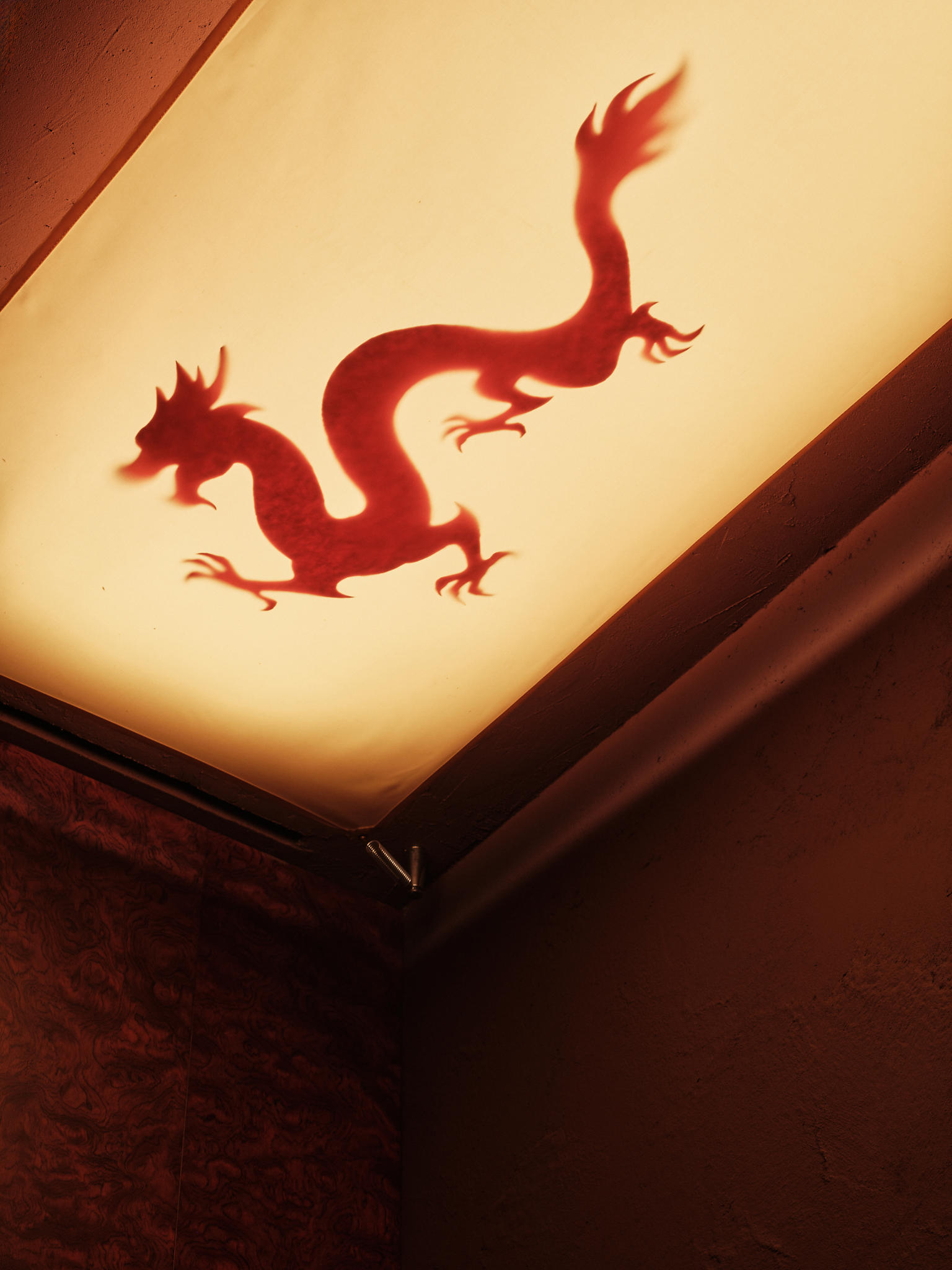
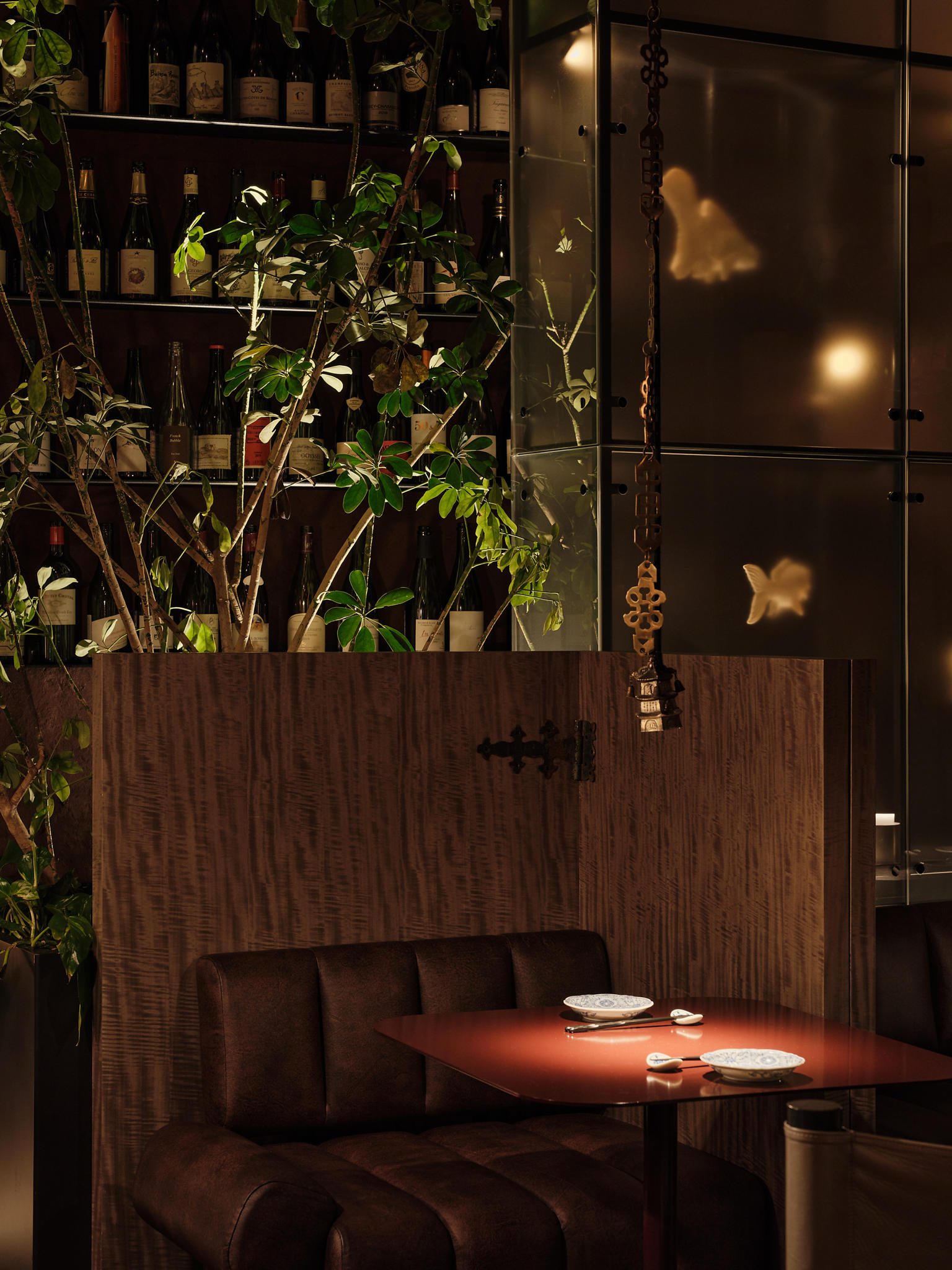
Even looking out the window during a meal becomes part of the experience. A play of shadows comes alive on the curtains, where one may discern dragons, birds, and other creatures. This technique is a subtle reference to the Chinese shadow theatre, which was included in UNESCO’s Intangible Cultural Heritage list in 2011. In this tradition, light and shadow symbolize the boundary between the world of the living and the realm of spirits, between the visible and the illusory. The curtains—minimalist in form—carry the depth of centuries-old culture, reminding us of the sacred role of light and shadow. All lighting solutions were realized by the Poisson Spot team.
The project was created by the Dreamteam restaurant group in collaboration with the architectural bureau SEEU. Self Edge Chinois is conceived as a spin-off—a project that separates from the main Japanese concept and evolves independently while maintaining a connection to its origin. China, as envisioned by SEEU, is perceived as a mythological layer through which the Japanese principles familiar to Dreamteam emerge: concentration, ritual, and respect for process and pause.