Project name: VIK Cars Museum
Interior design: KM Design
Location: Lviv, Ukraine
Photo: Andrii Shurpenkov
Source: Nadia Sheikina
Year: 2025
Project description from design firms KM Design
VIK Cars Museum is a private museum of vintage automobiles located on the second floor of a shopping center on the outskirts of Lviv. Its founder is an entrepreneur and co-owner of one of the largest supermarket chains in Ukraine. After the full-scale invasion, he relocated from Dnipro to Lviv, where he built a family home and transferred his collection of classic cars. This collection later became the foundation of the museum.
“Our first conversation about cars happened while we were discussing the design of a garage for a private residence we were building for the client’s family. That’s when he realized that I had a strong sense of scale, a good understanding of different car models, and how they should be arranged in space,” says Karina Mayer, founder and chief designer of KM Design. “Although the studio mainly works with private interiors, I’m always interested in new formats. I saw the retro car museum as a professional challenge.”

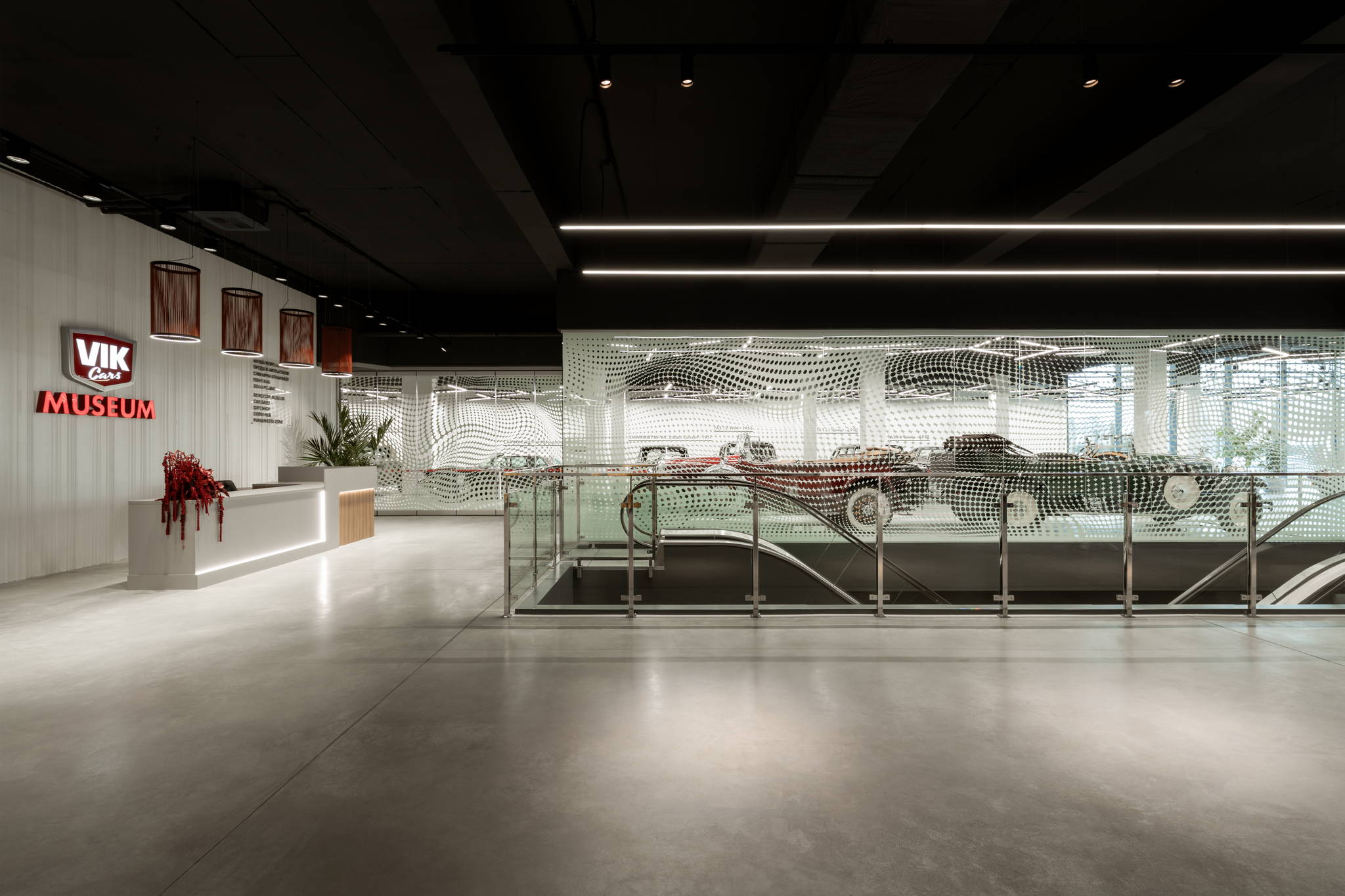
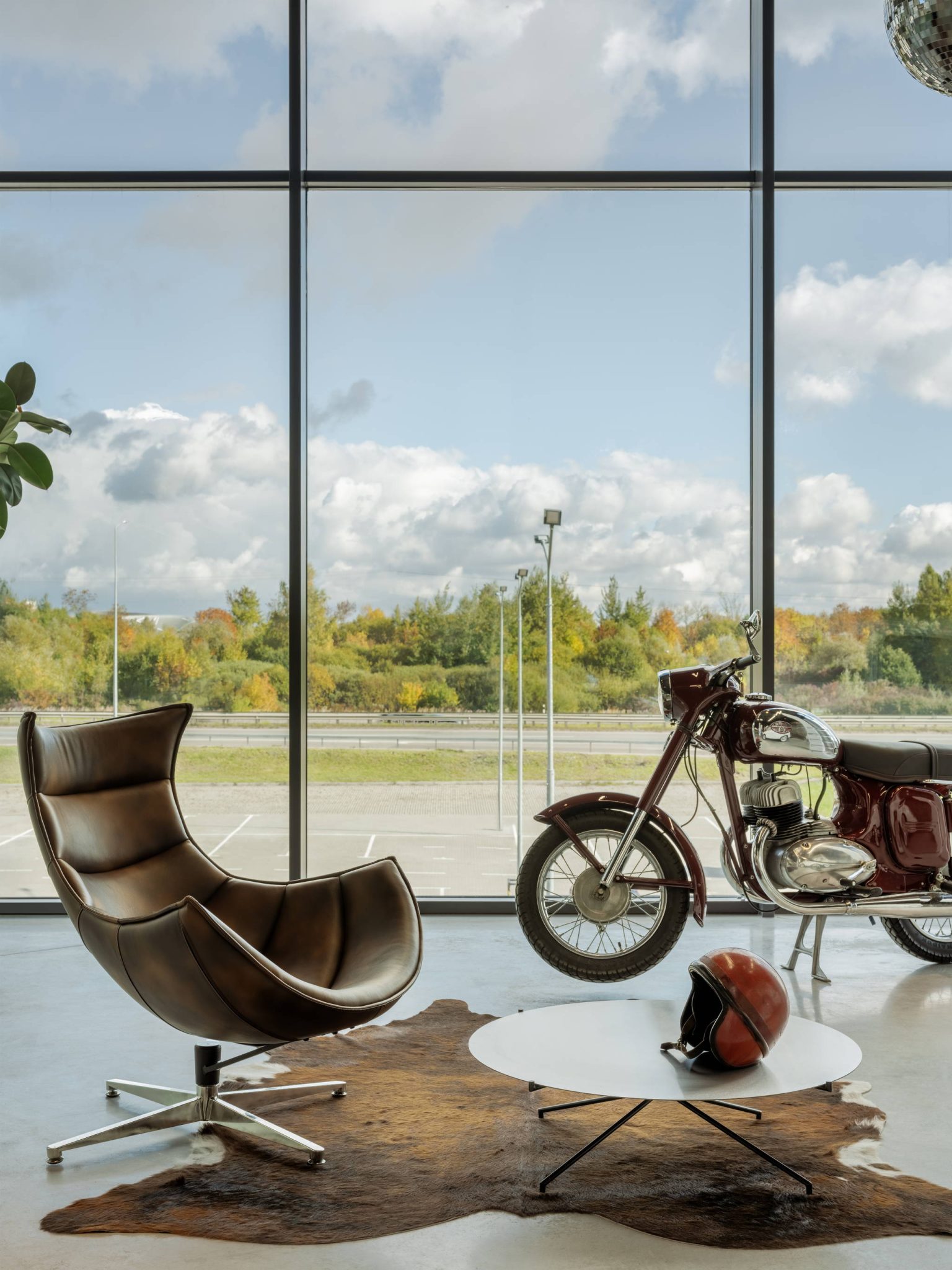
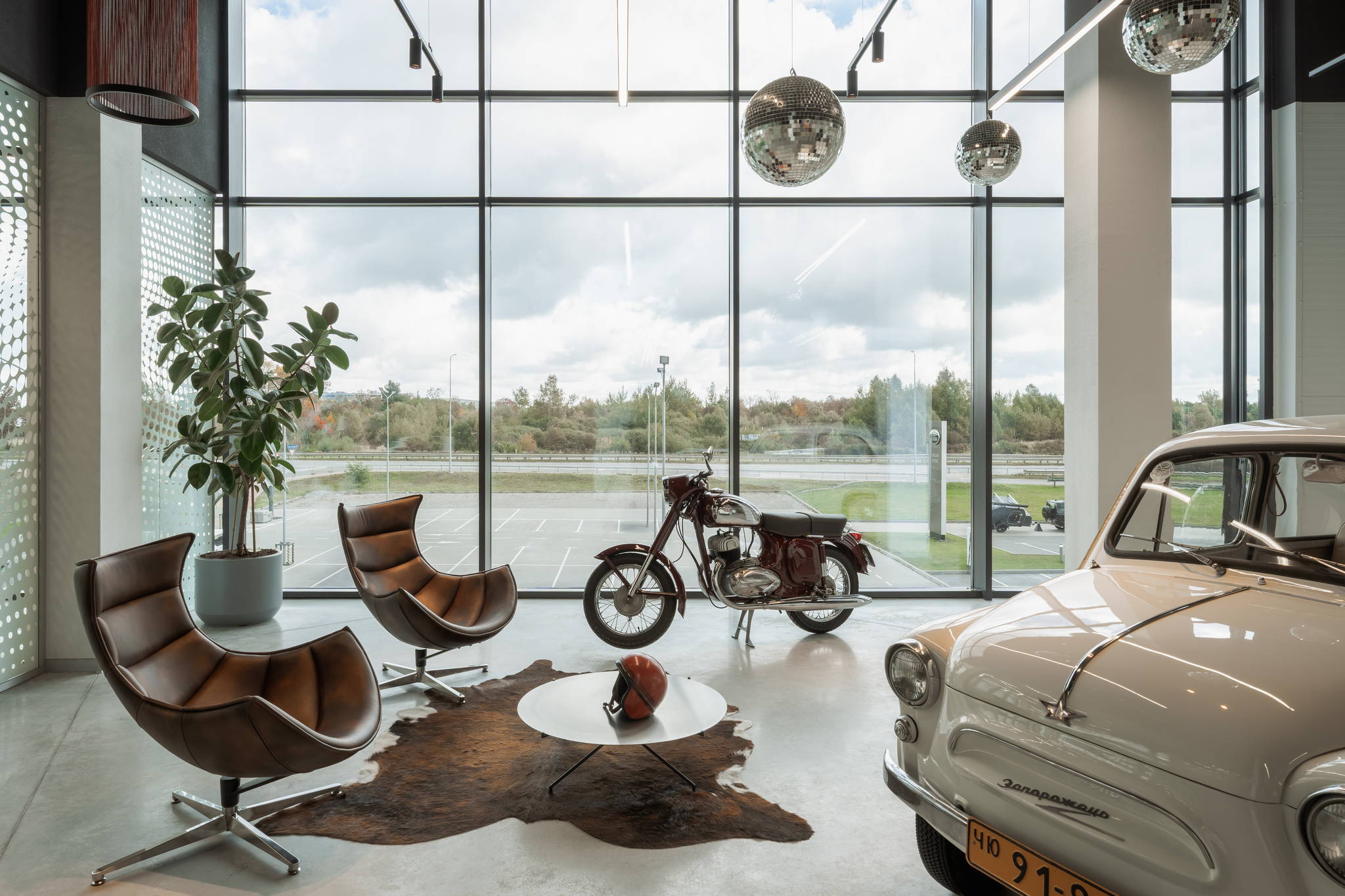
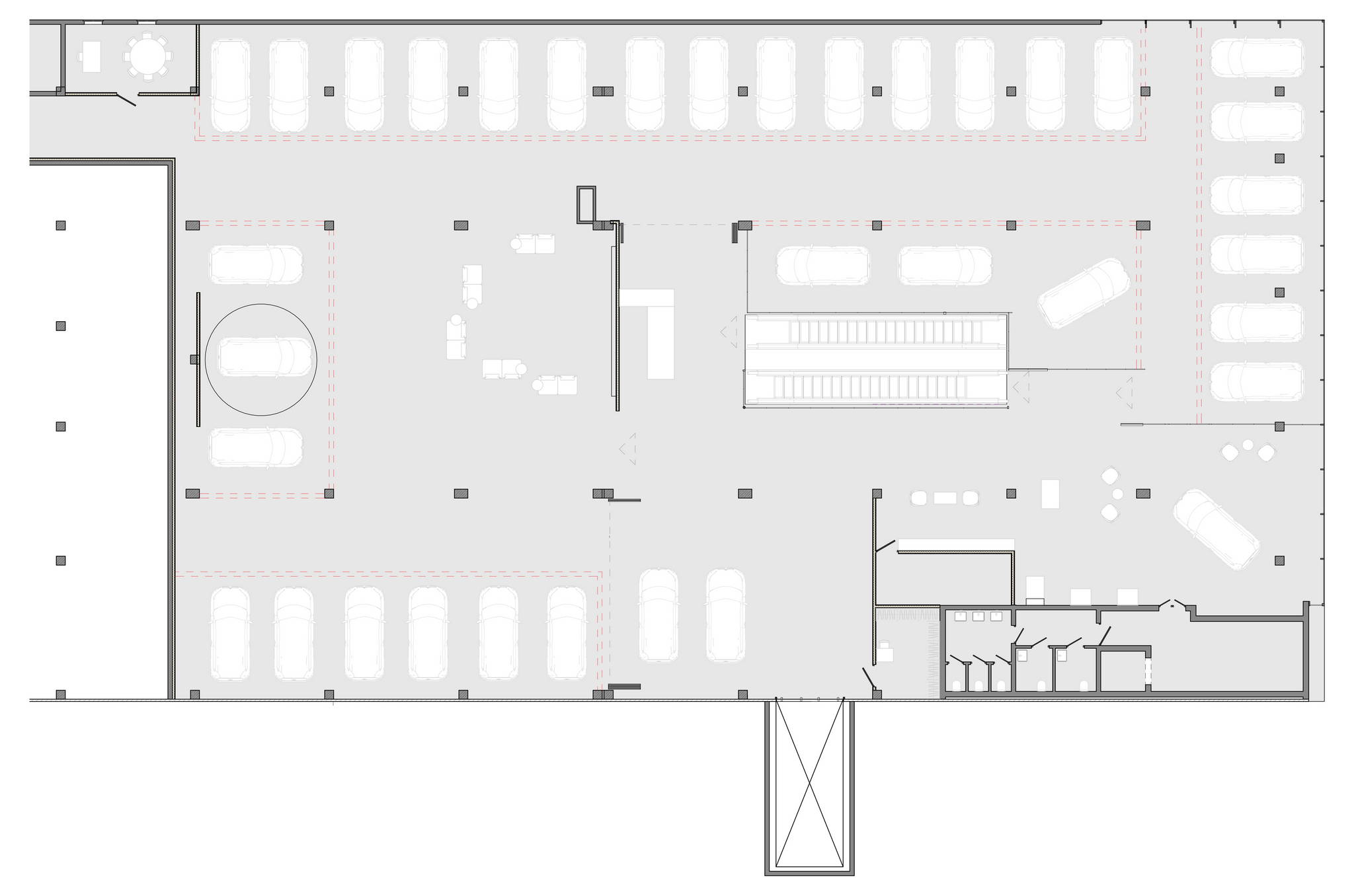
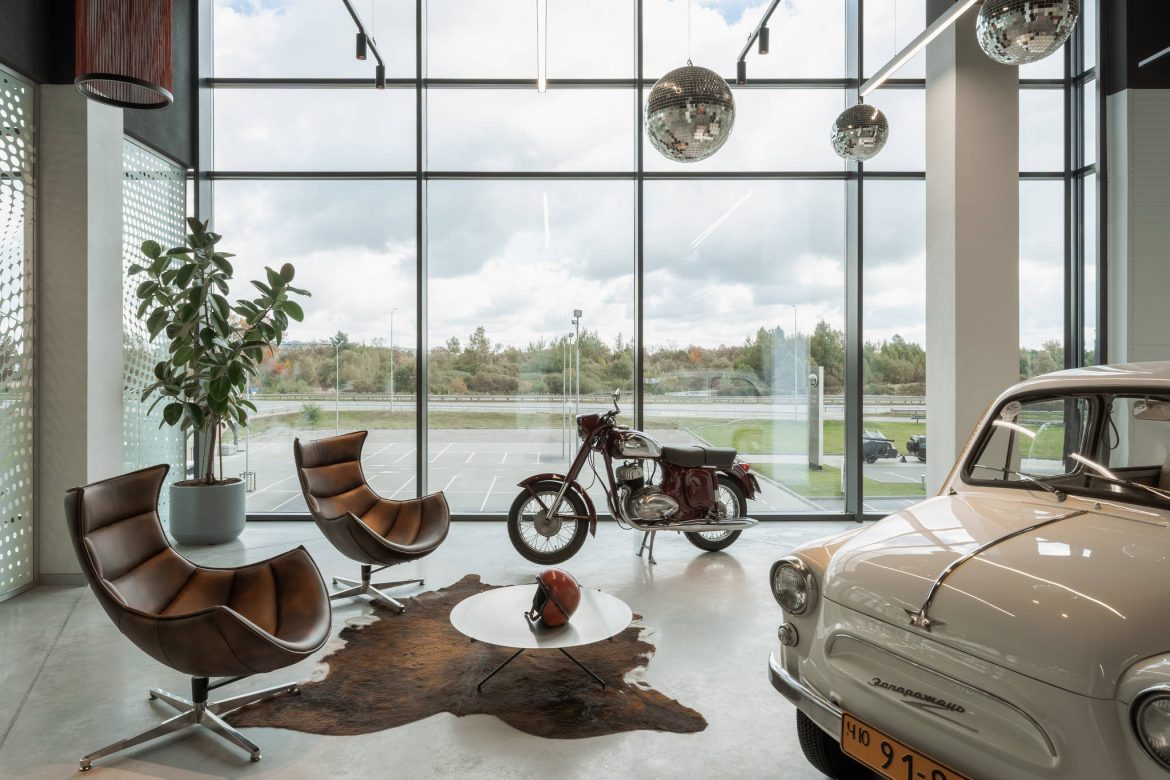
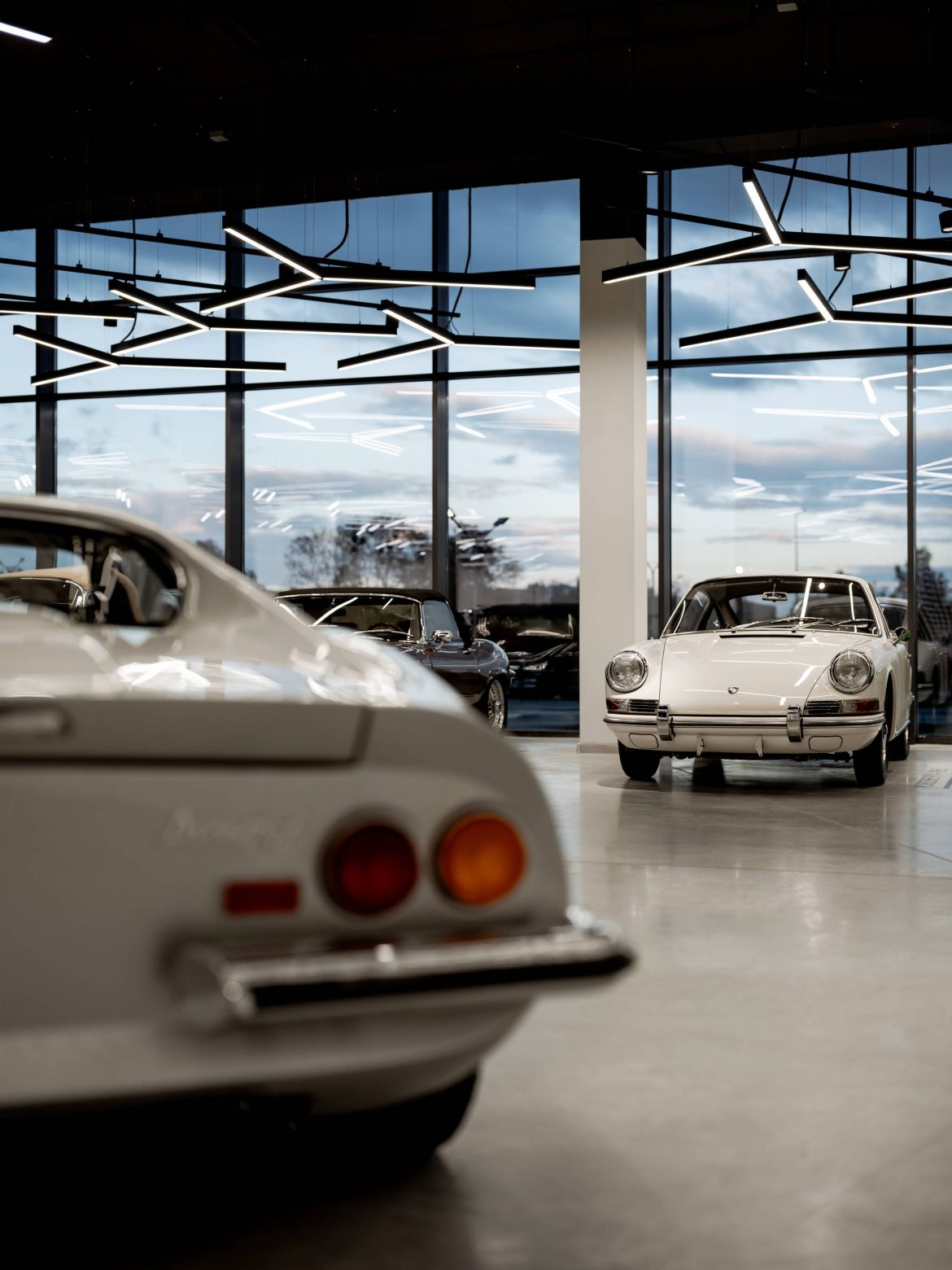
The search for a suitable location led to a shopping center built seven years ago. Its second floor offers panoramic views of the ring road junction, while nearby European car dealerships create a context that naturally reinforces the museum concept.
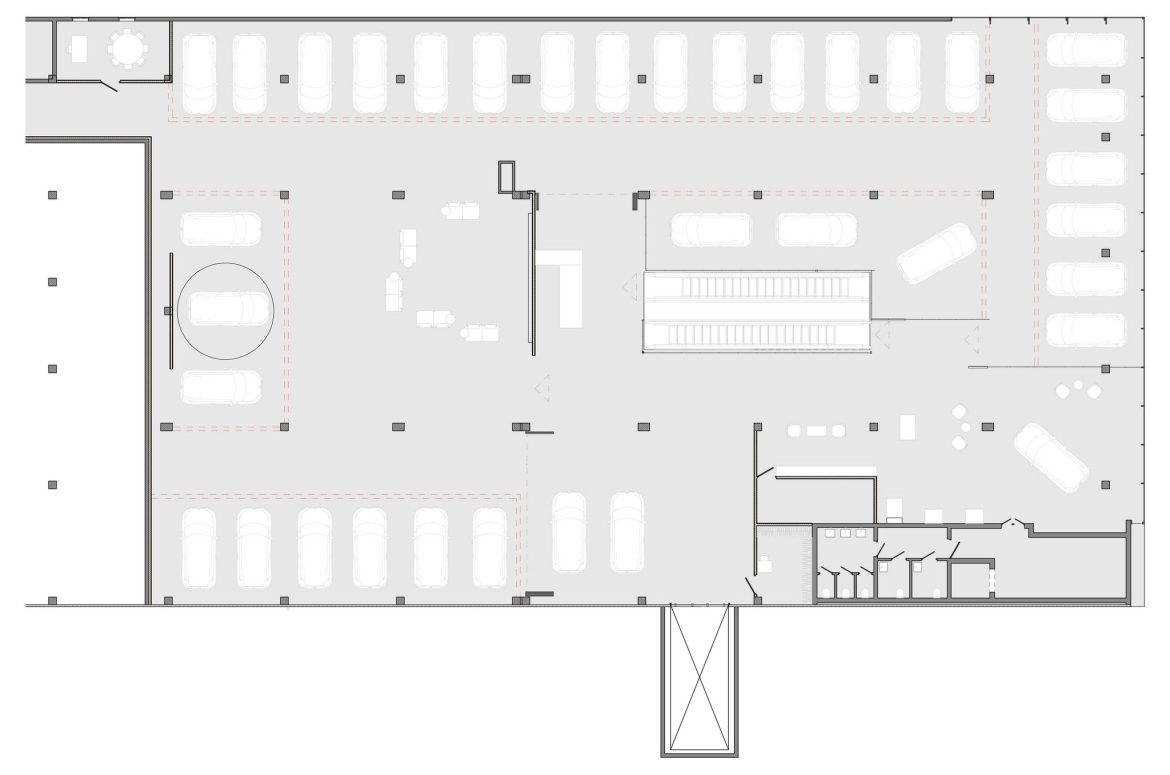
One of the main technical challenges was the absence of a freight elevator capable of lifting cars to the second floor. The project therefore began with the design and construction of such an elevator. Another constraint was the tight timeline – the museum was scheduled to open just two months after the start of the project. This required the team to run multiple processes in parallel rather than following a conventional phased workflow.
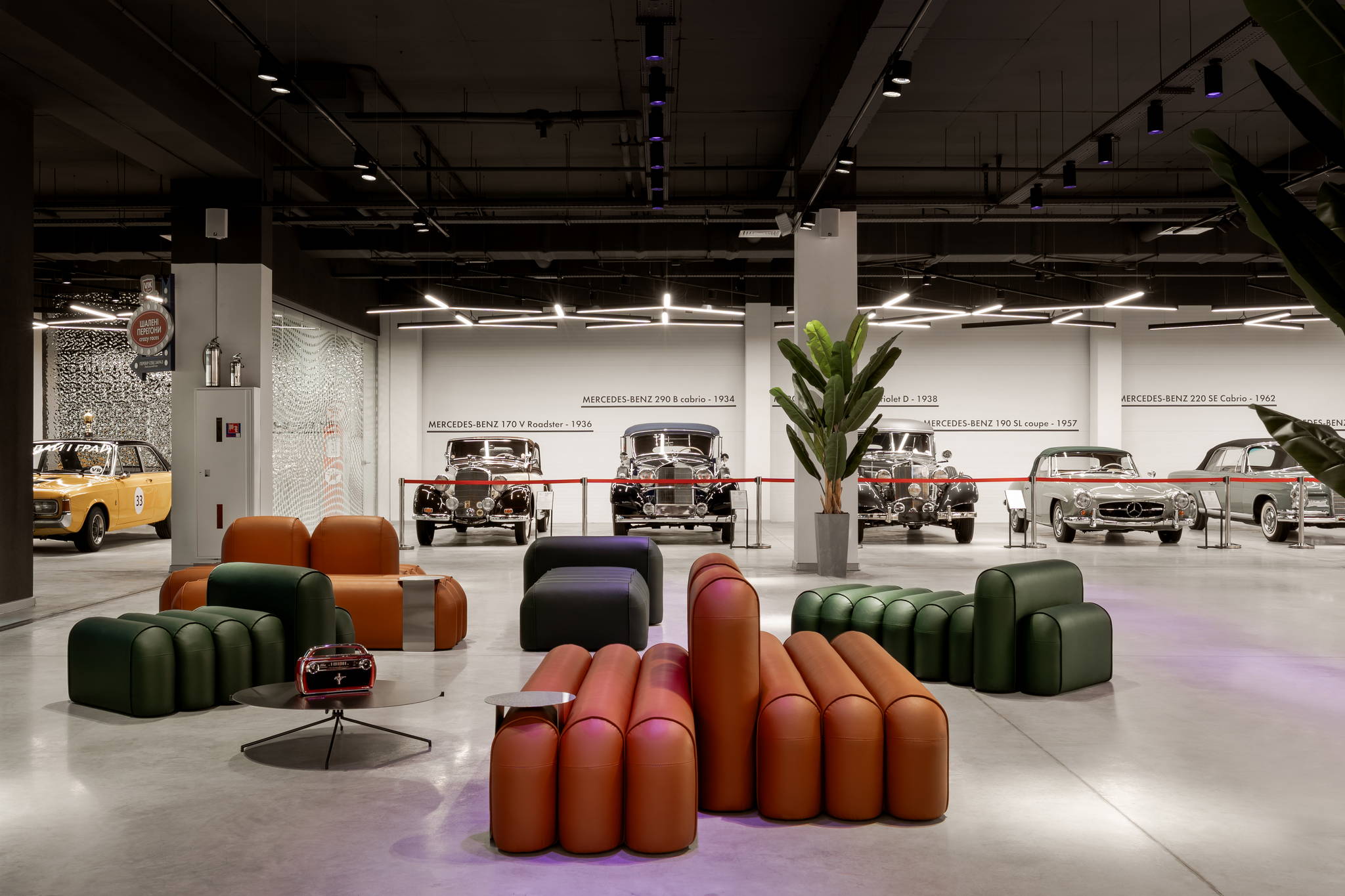
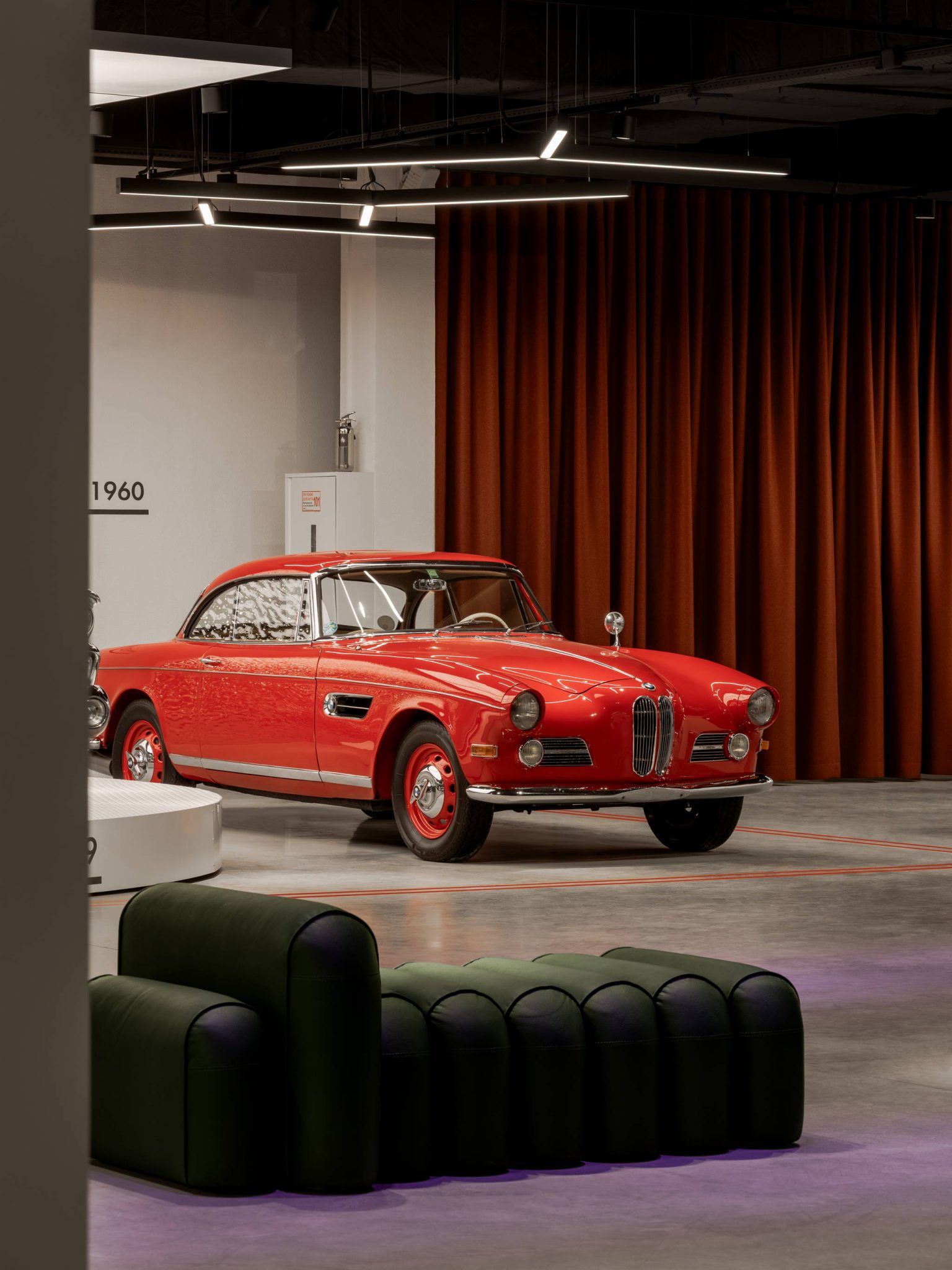
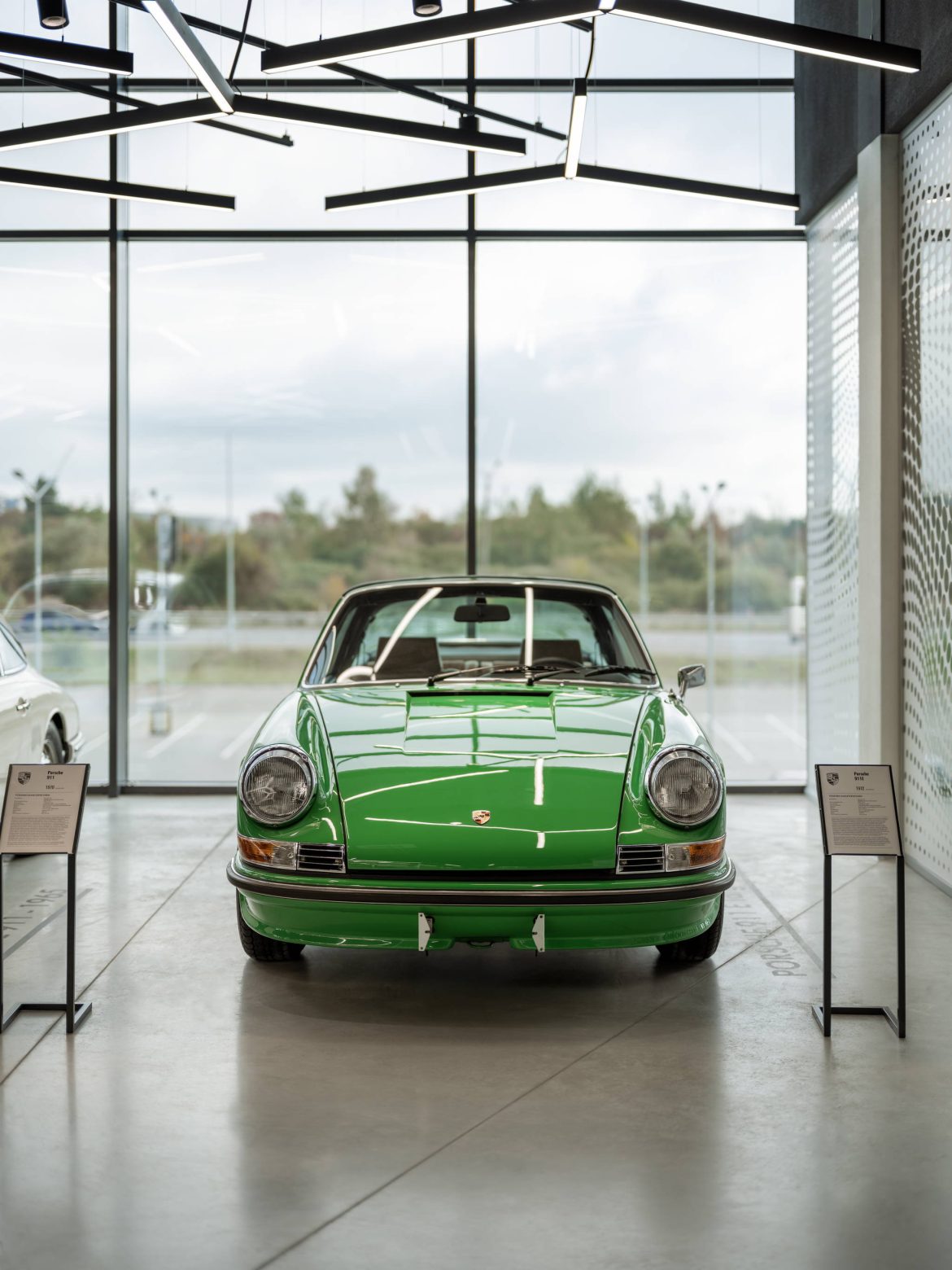
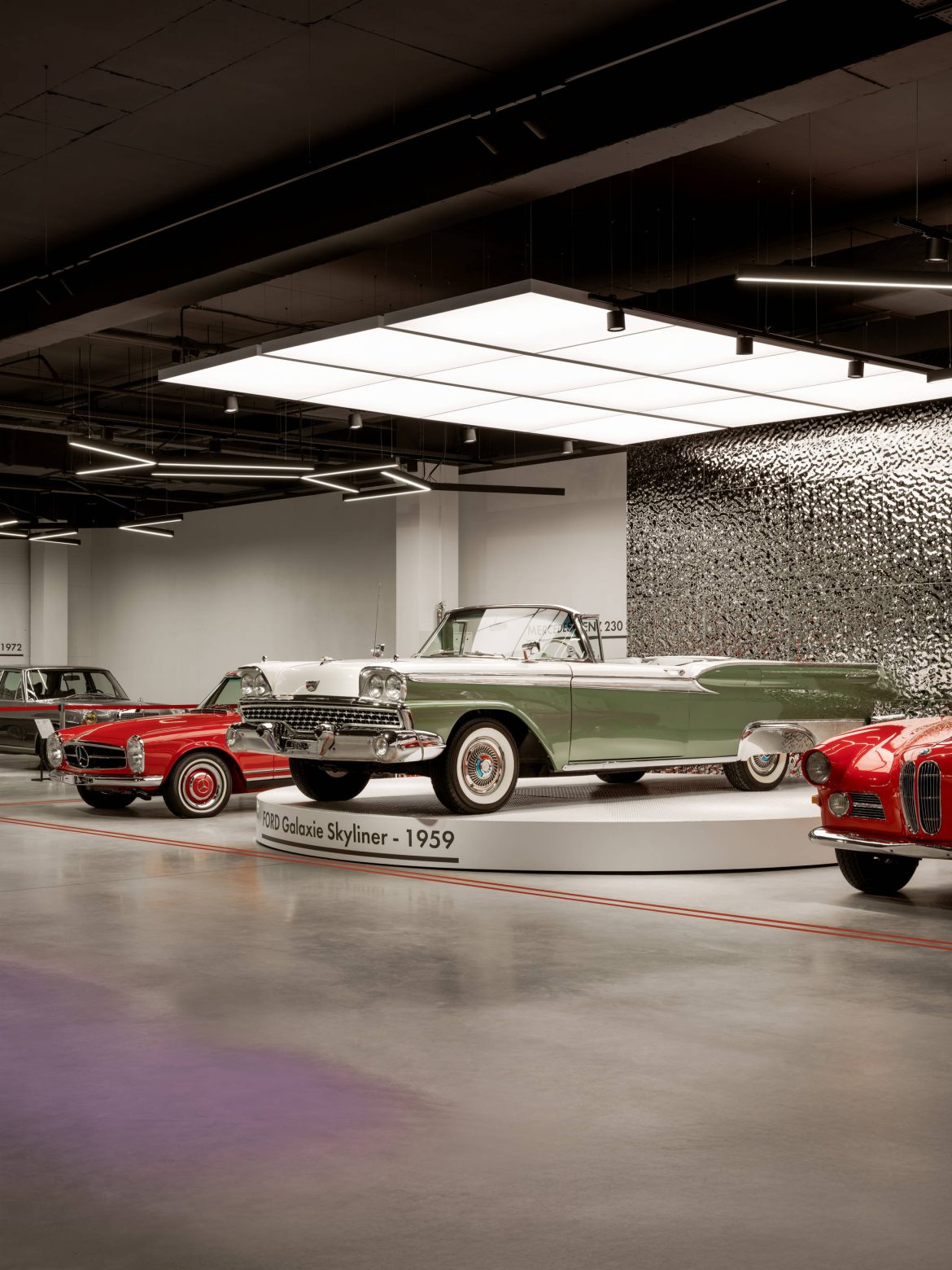
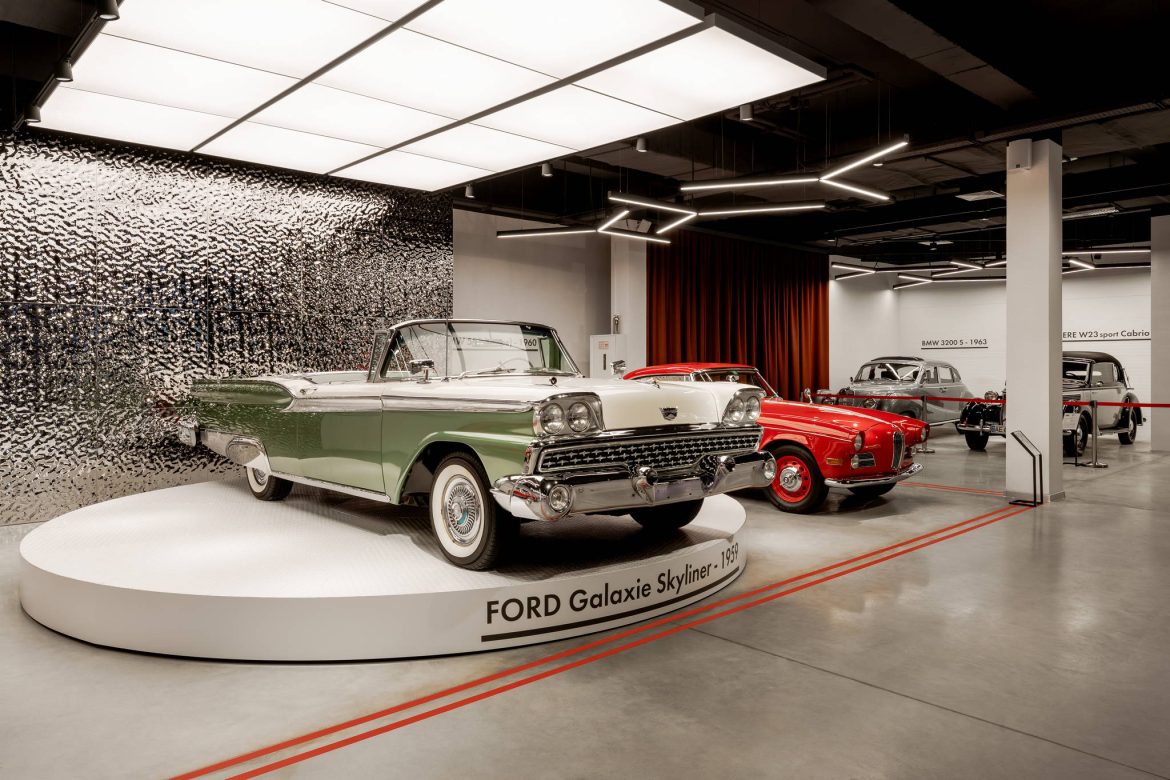
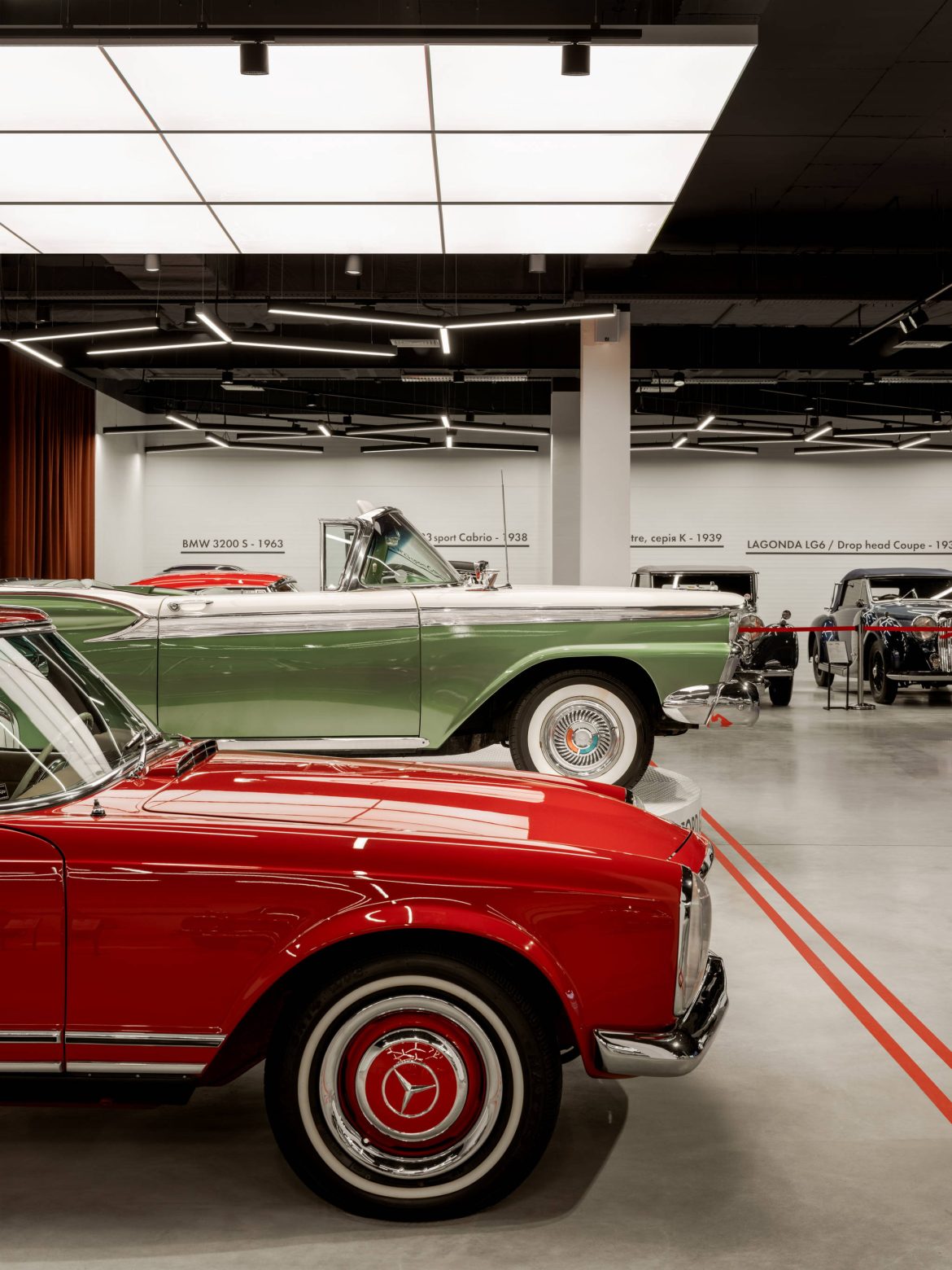
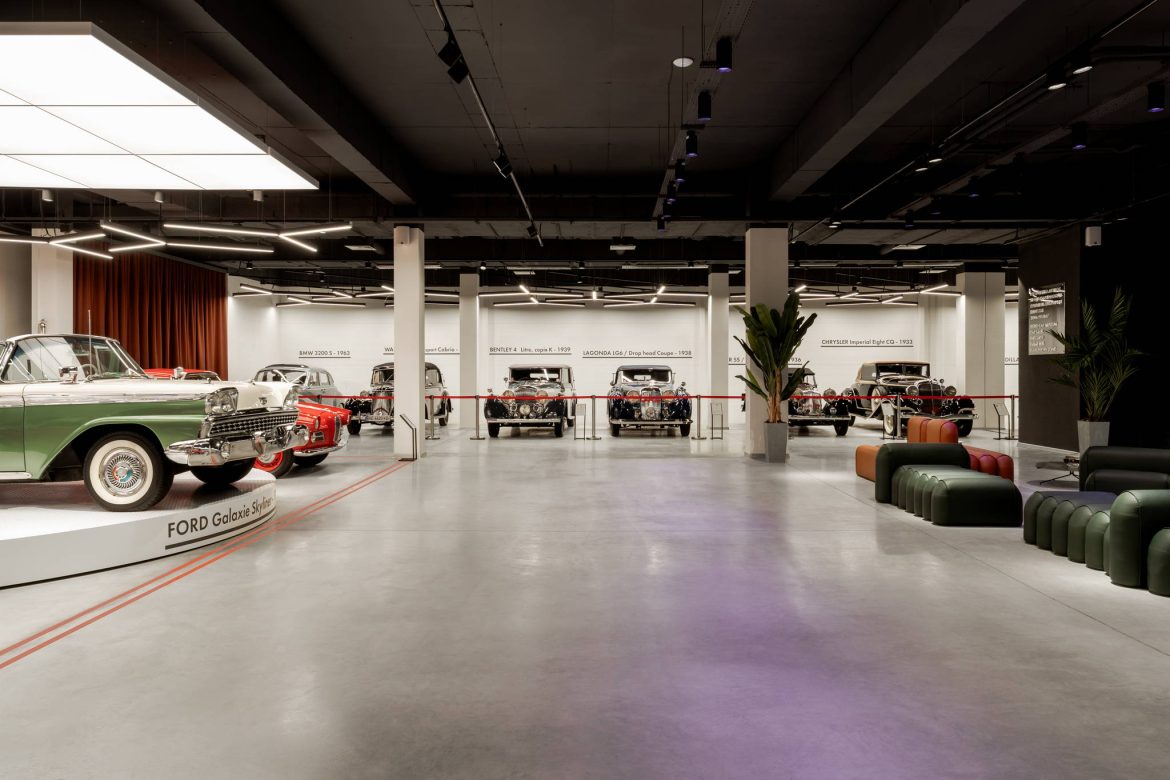
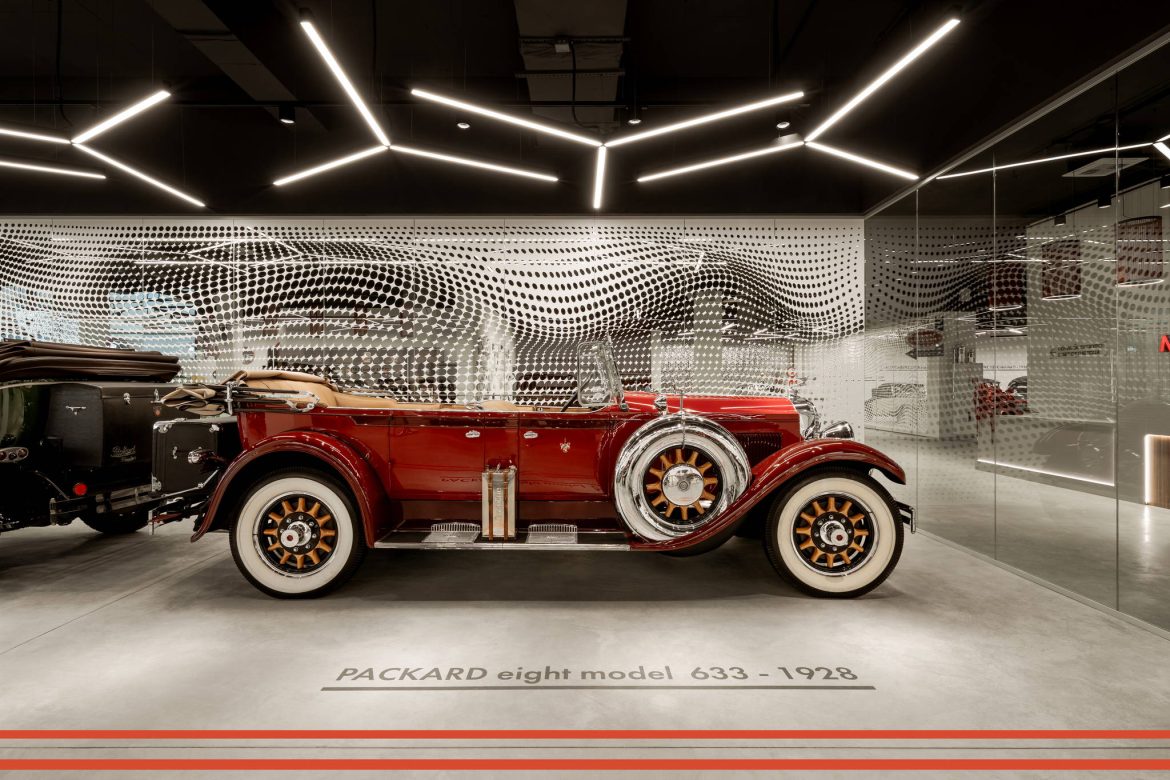
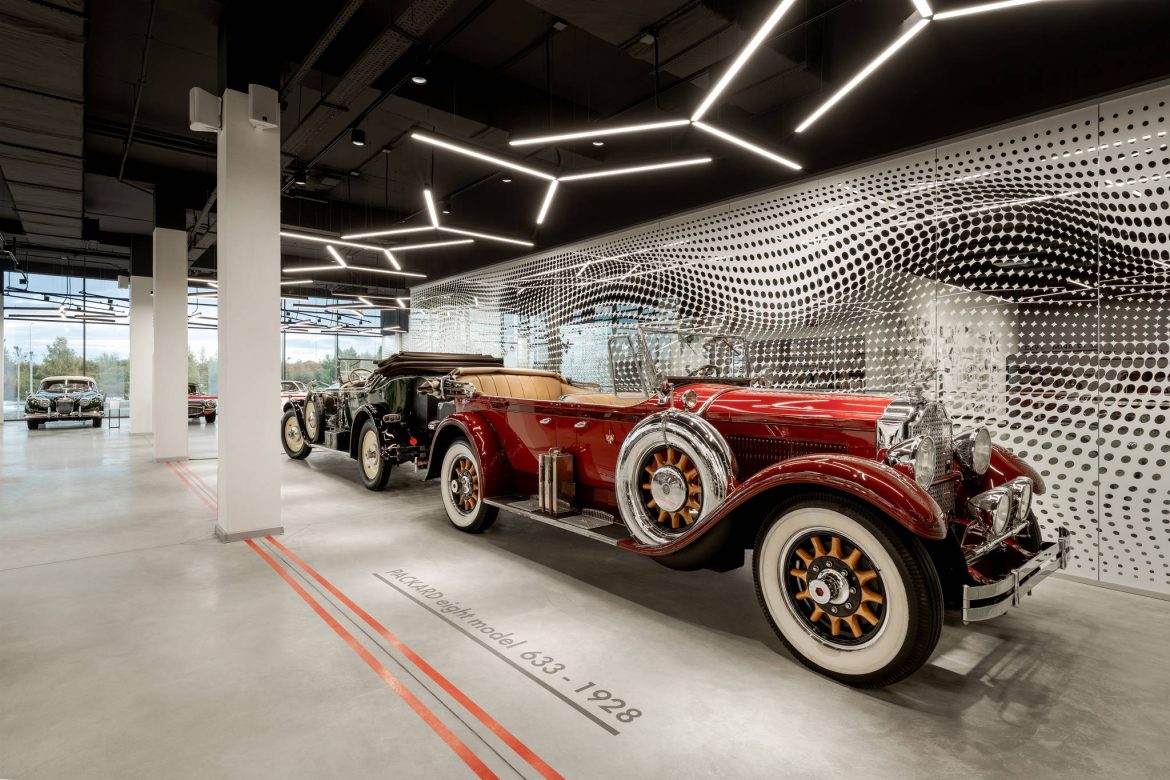
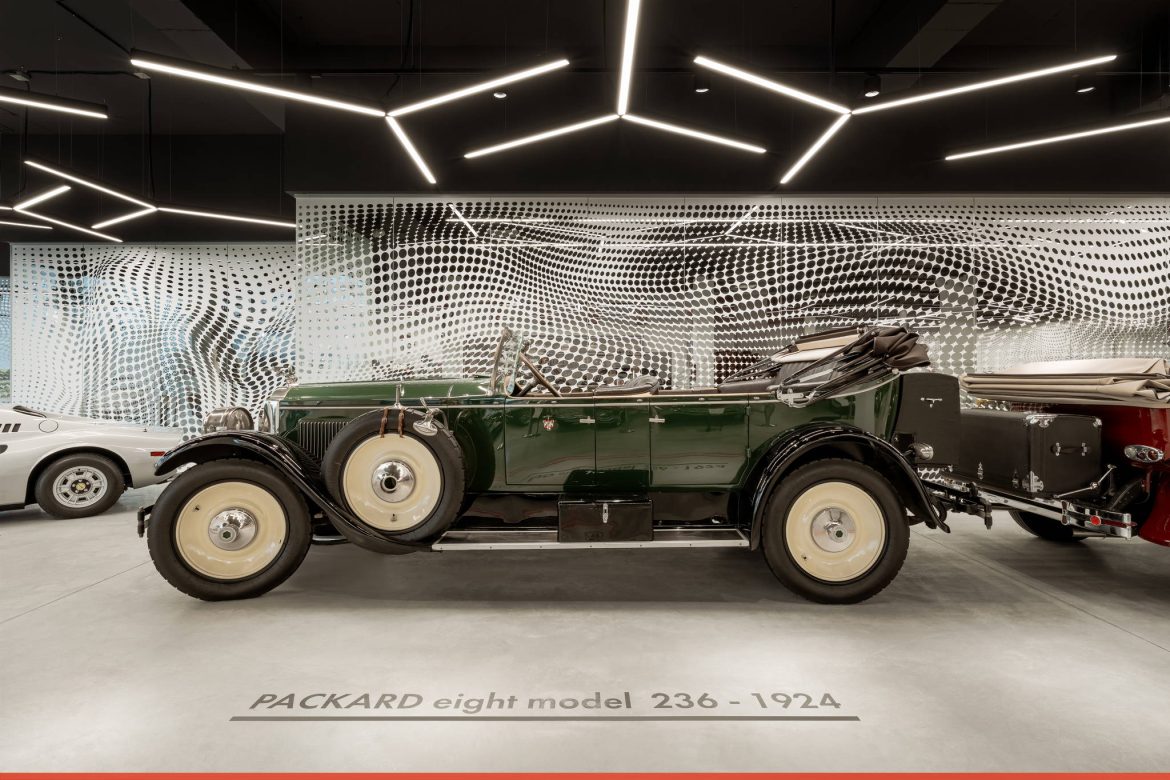
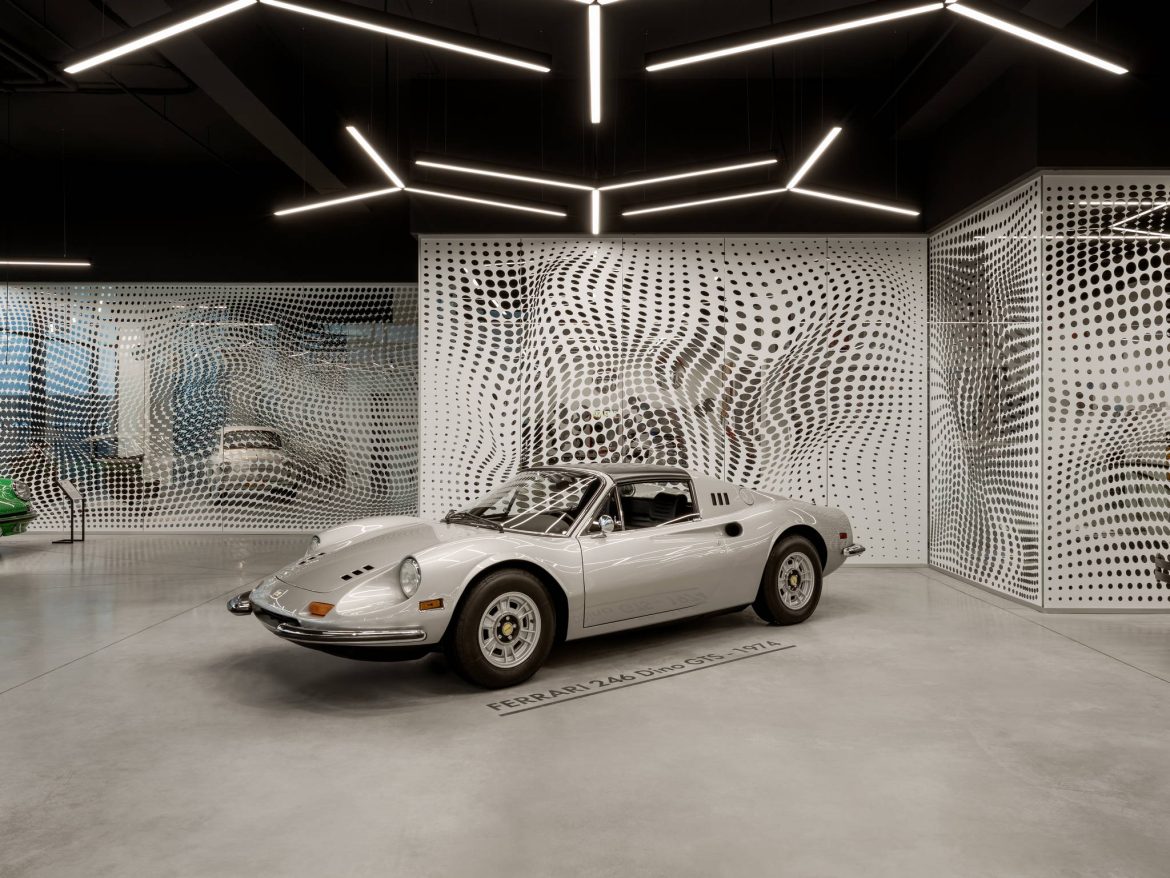
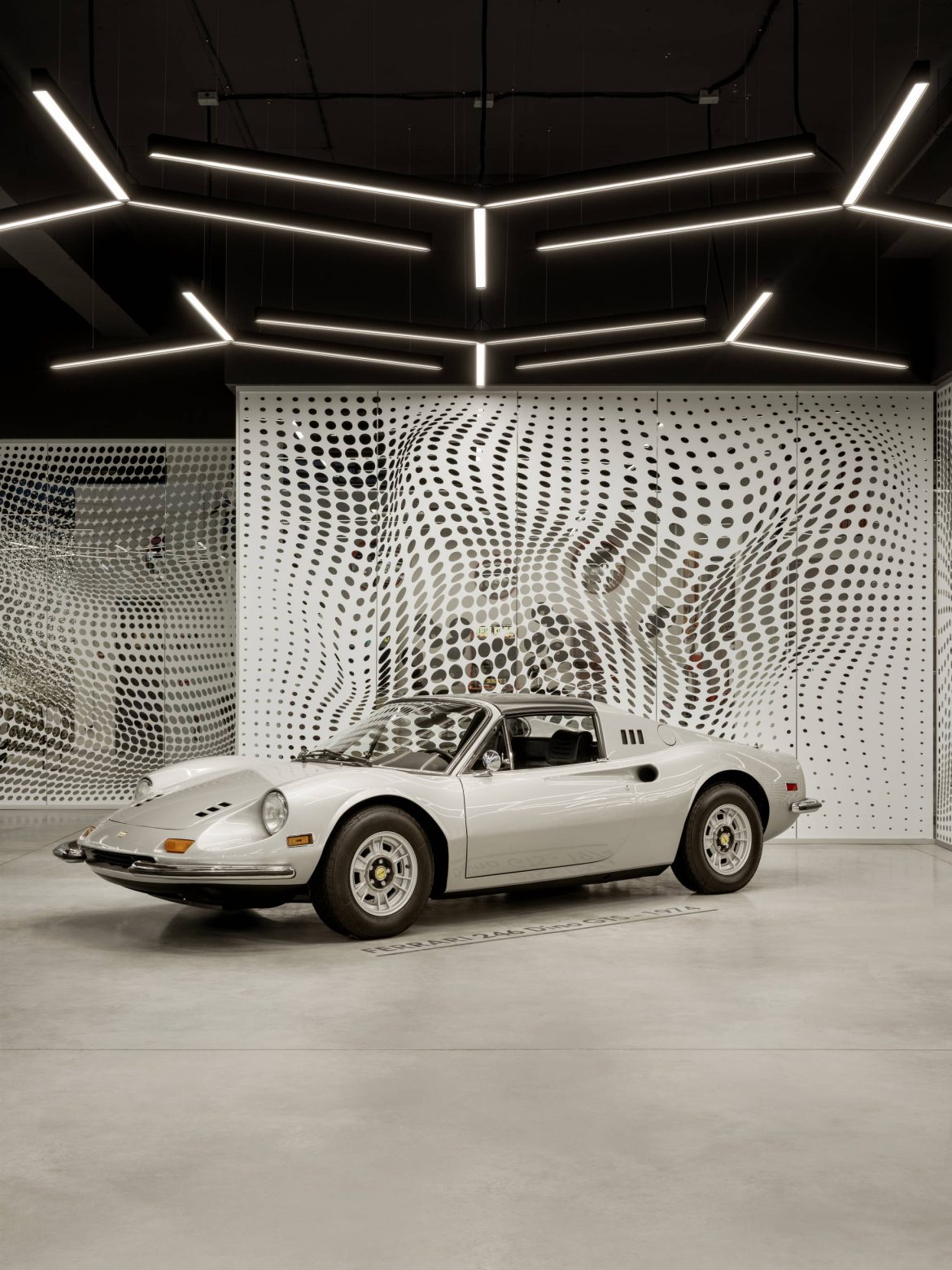
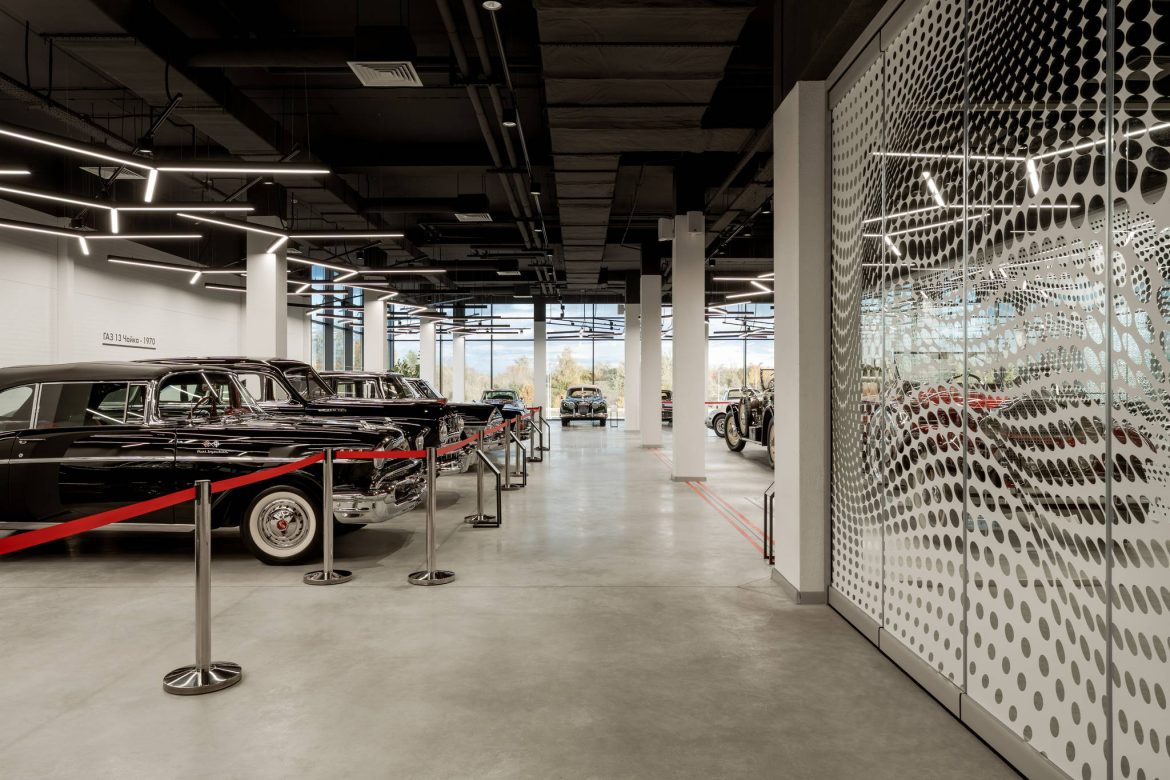
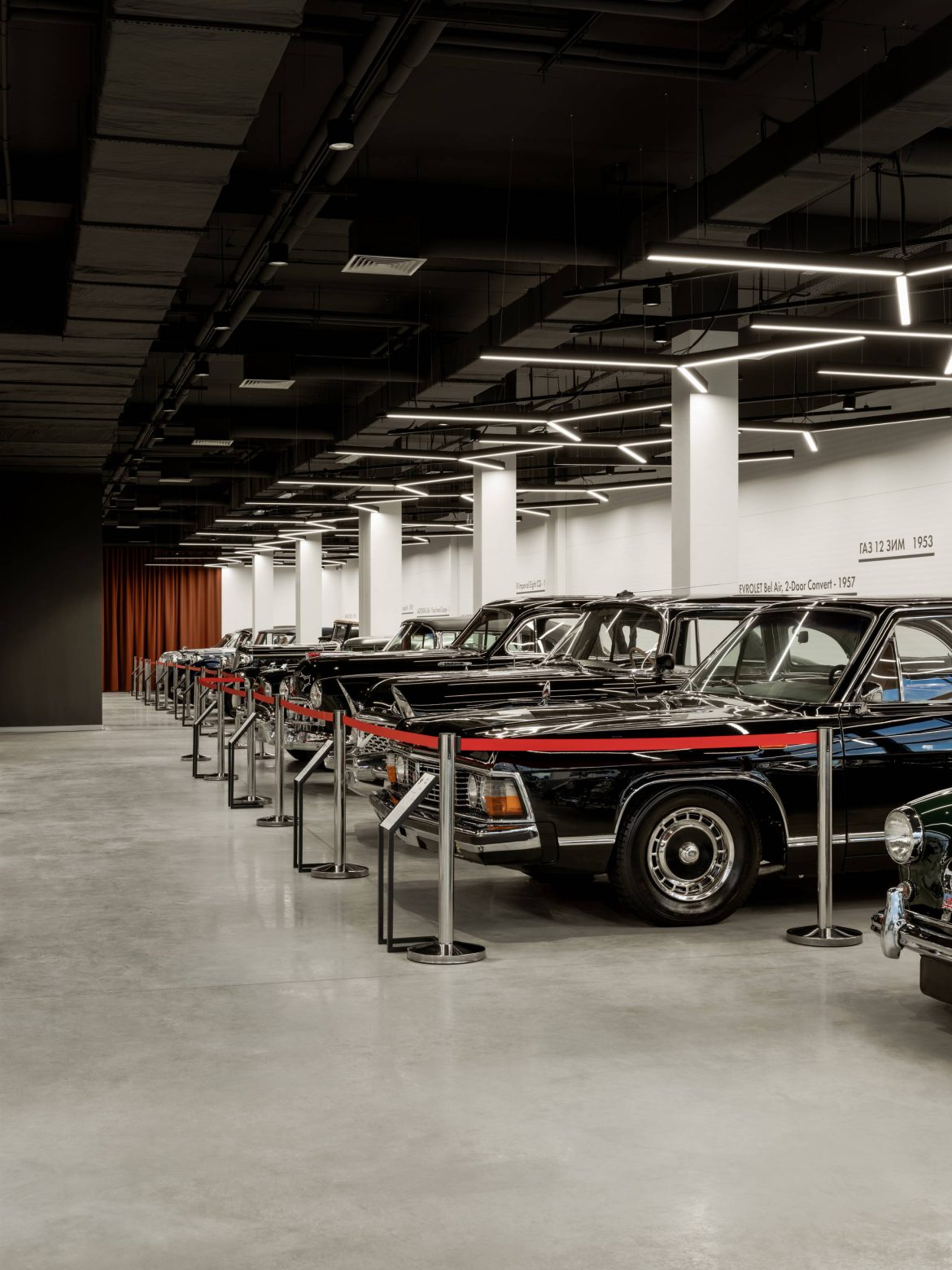
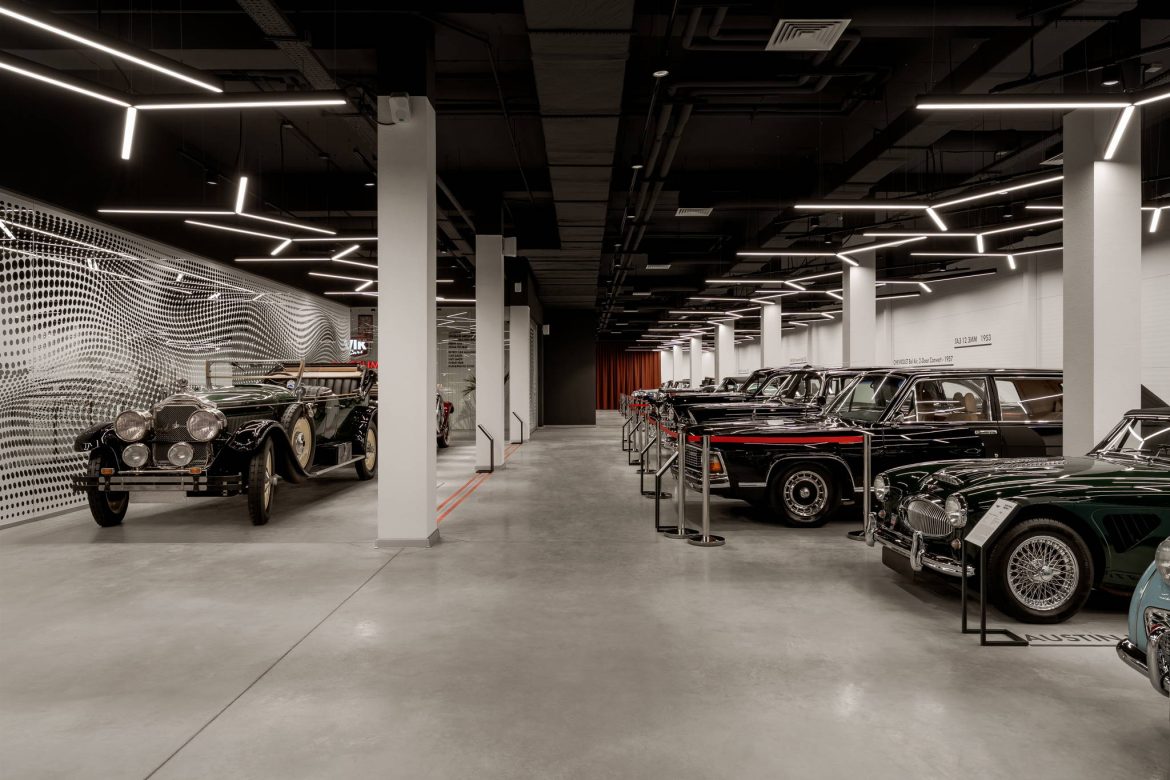
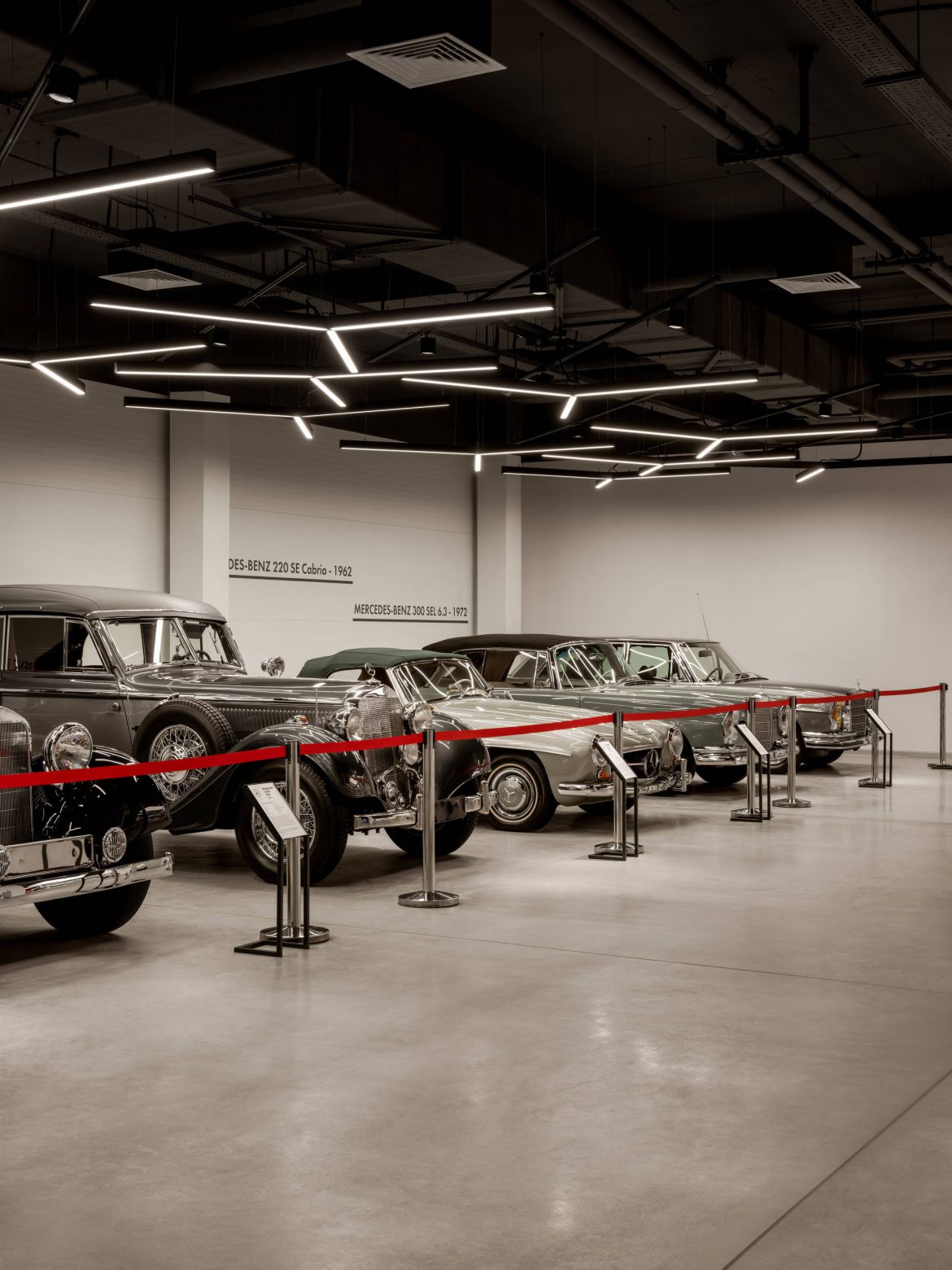
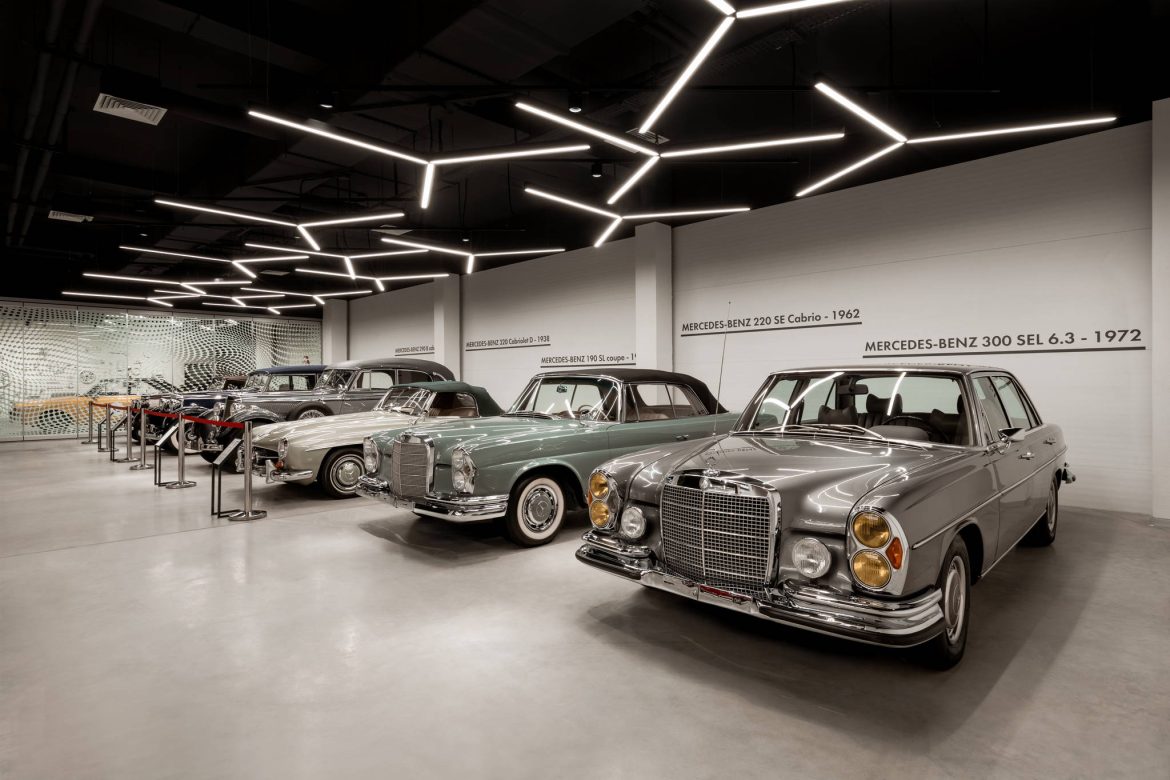
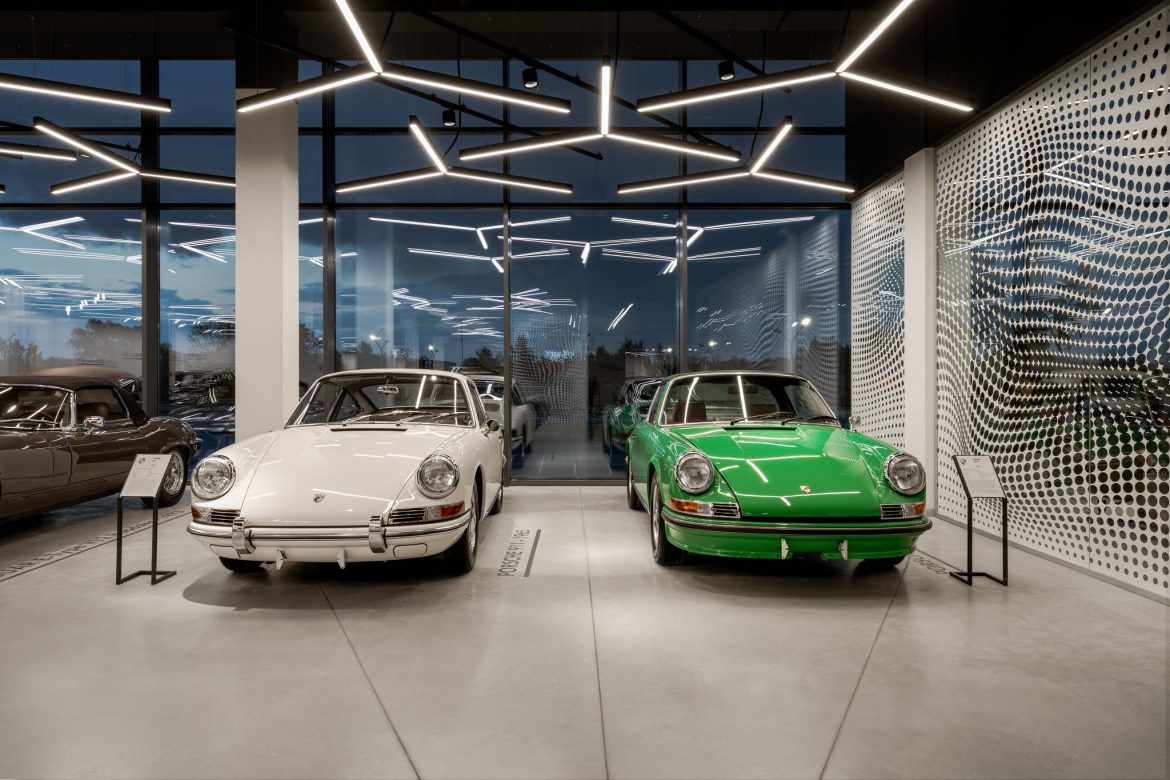
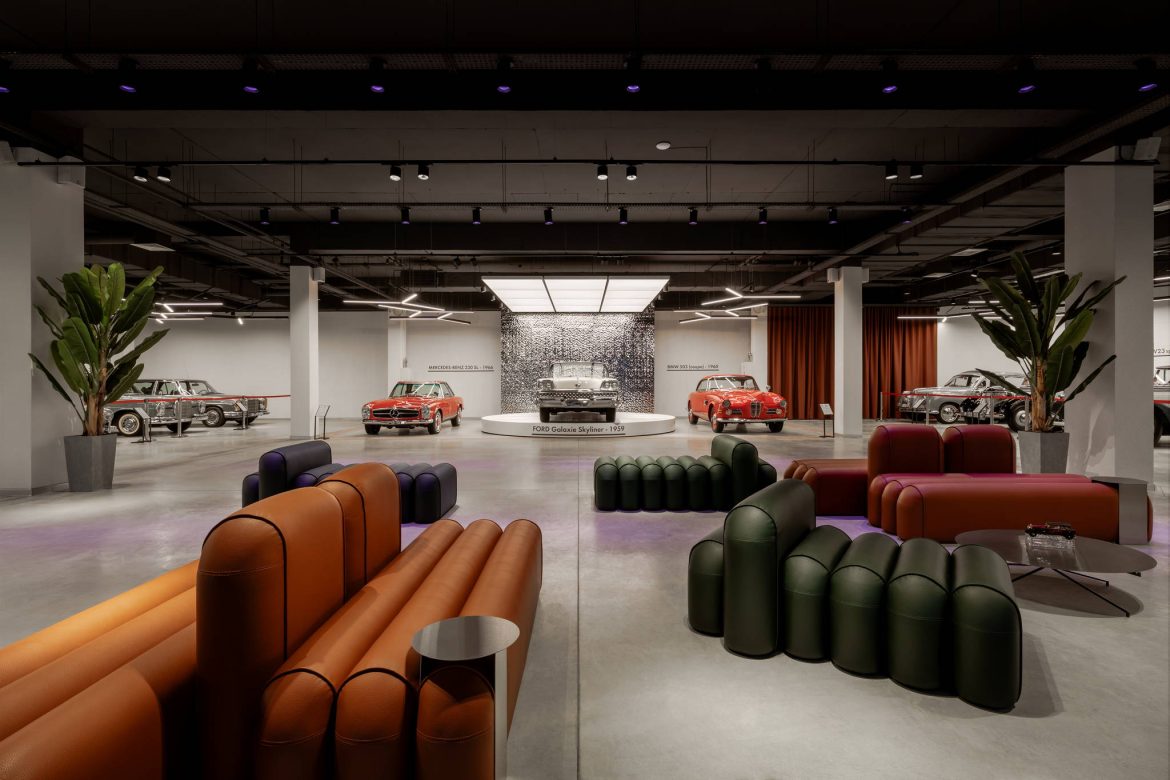
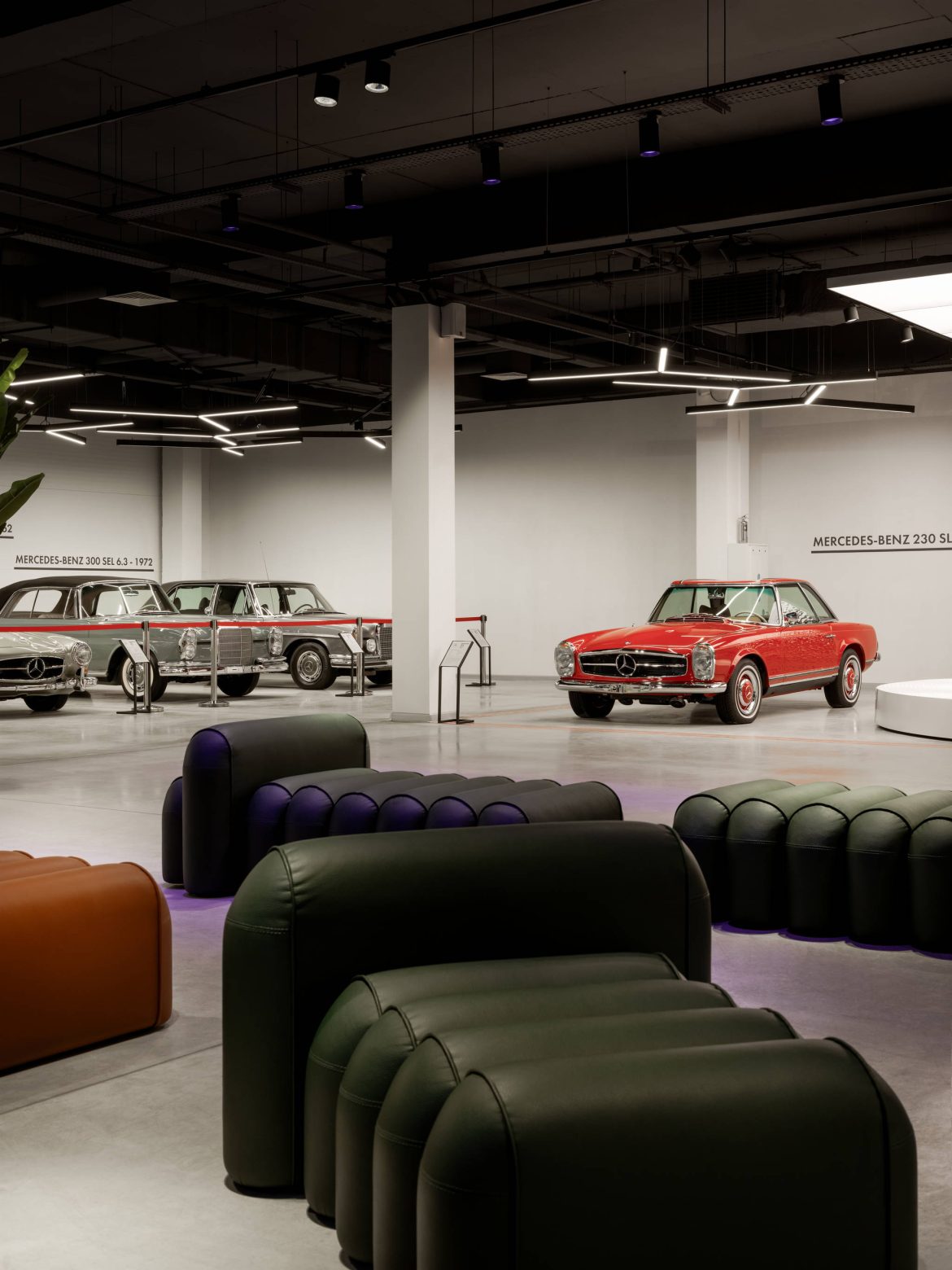
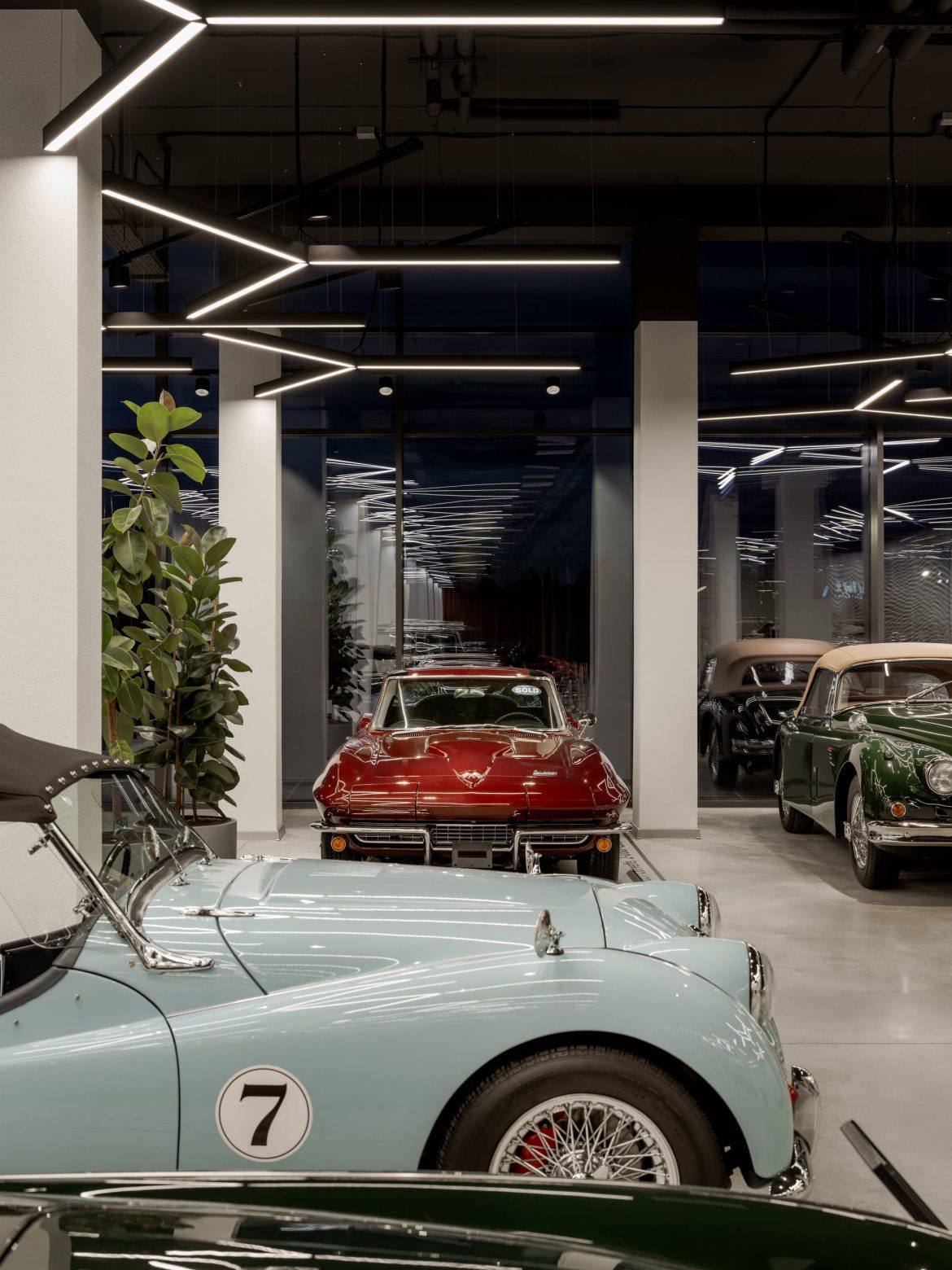
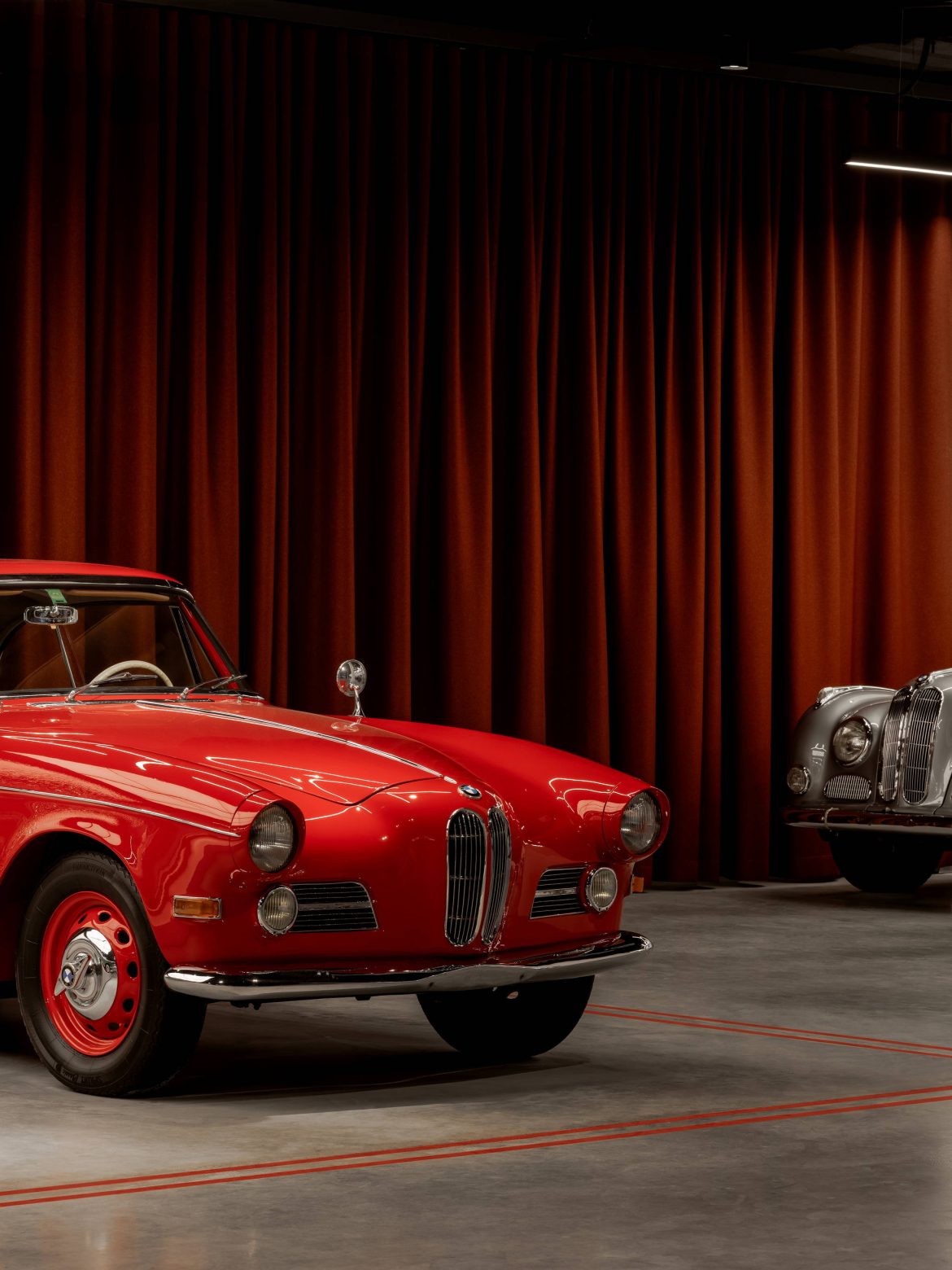
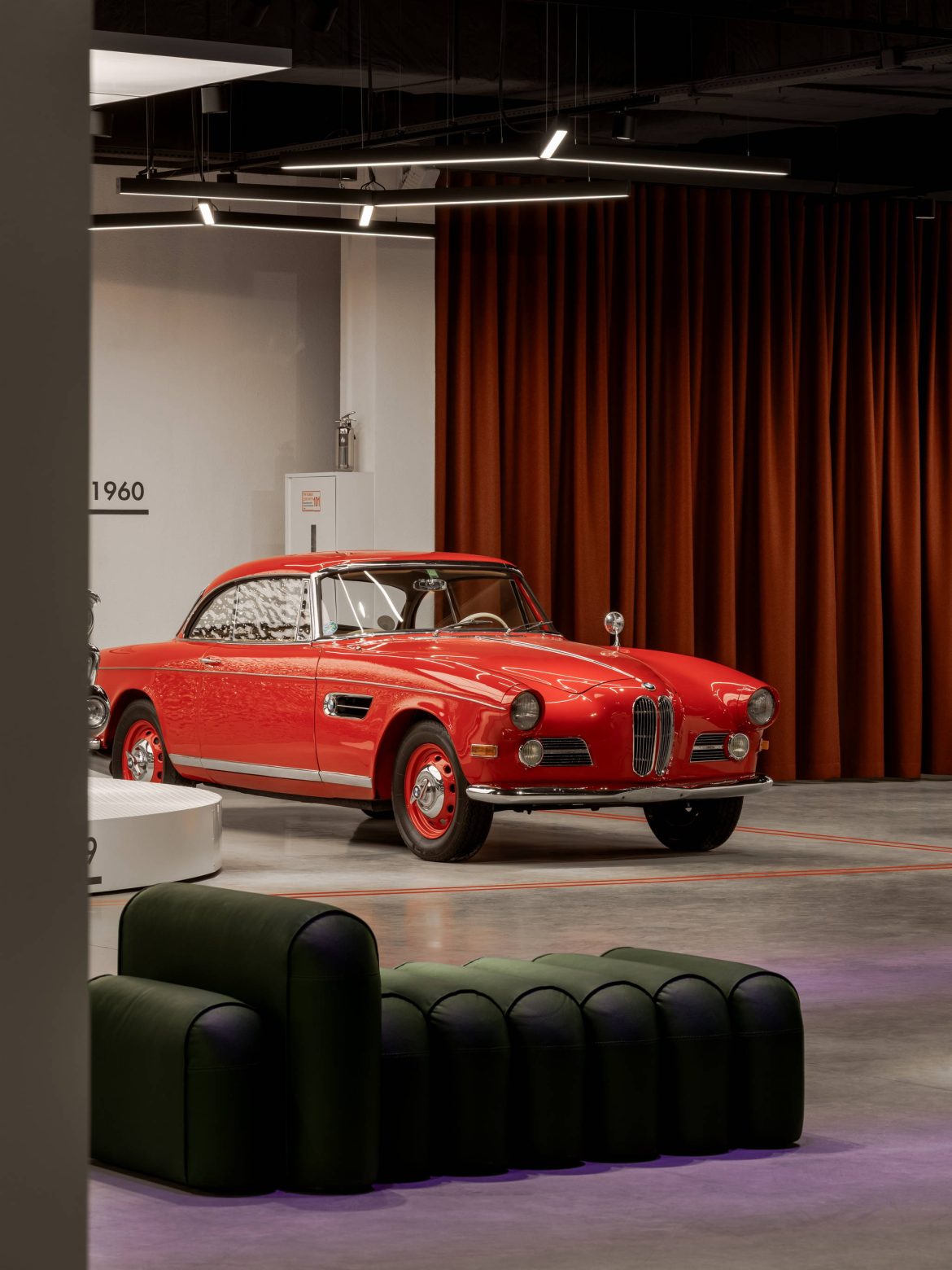
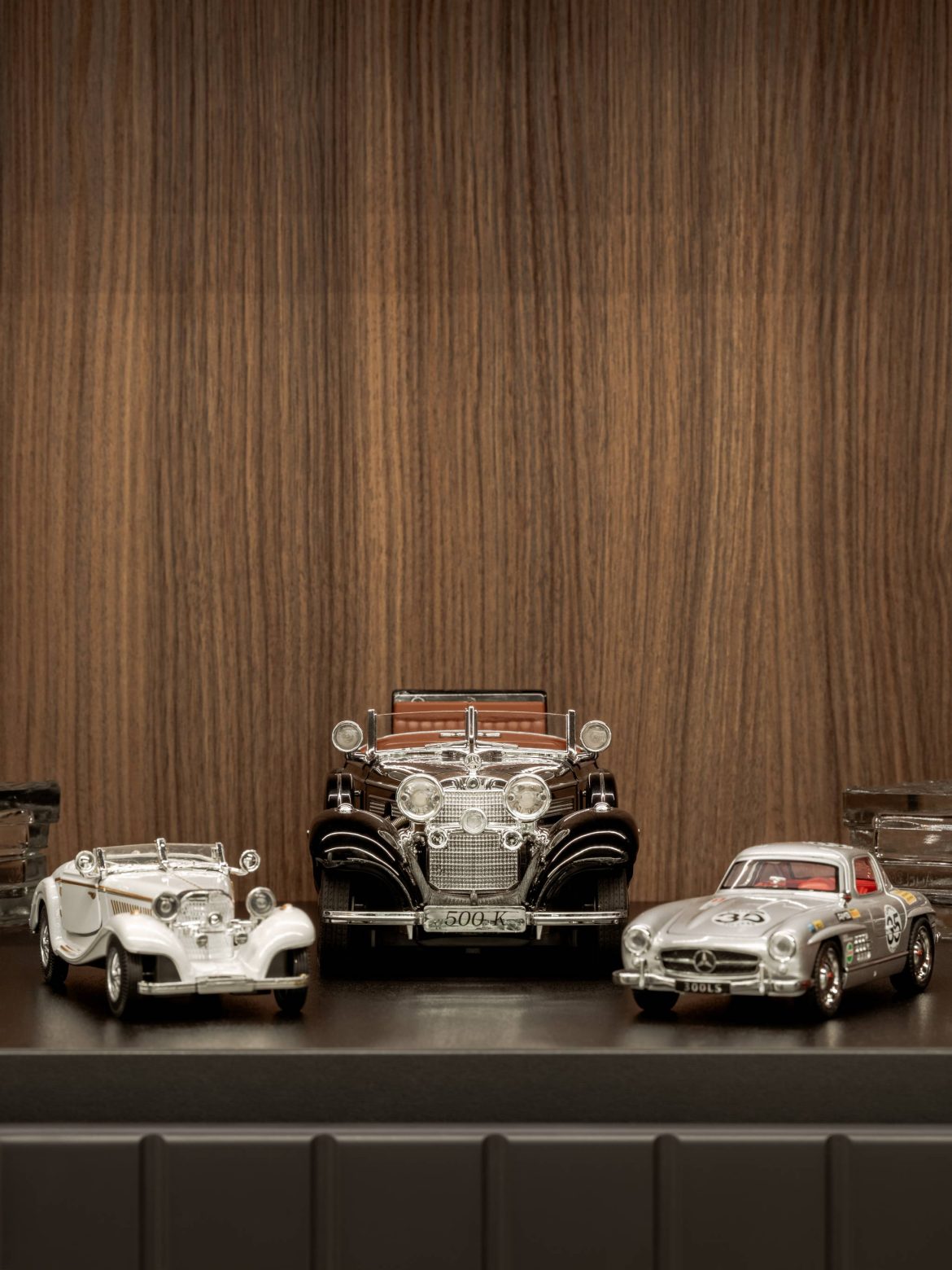
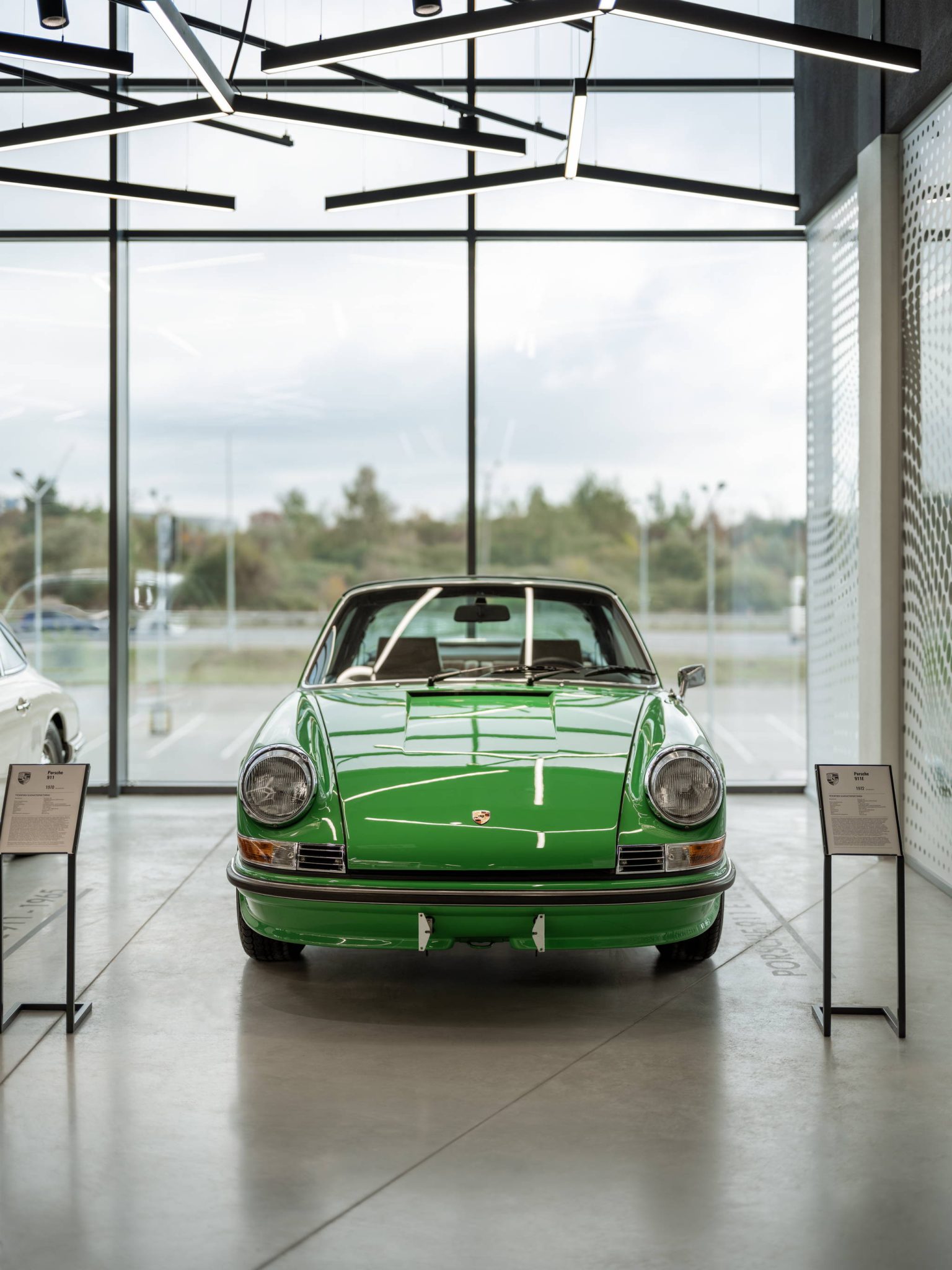
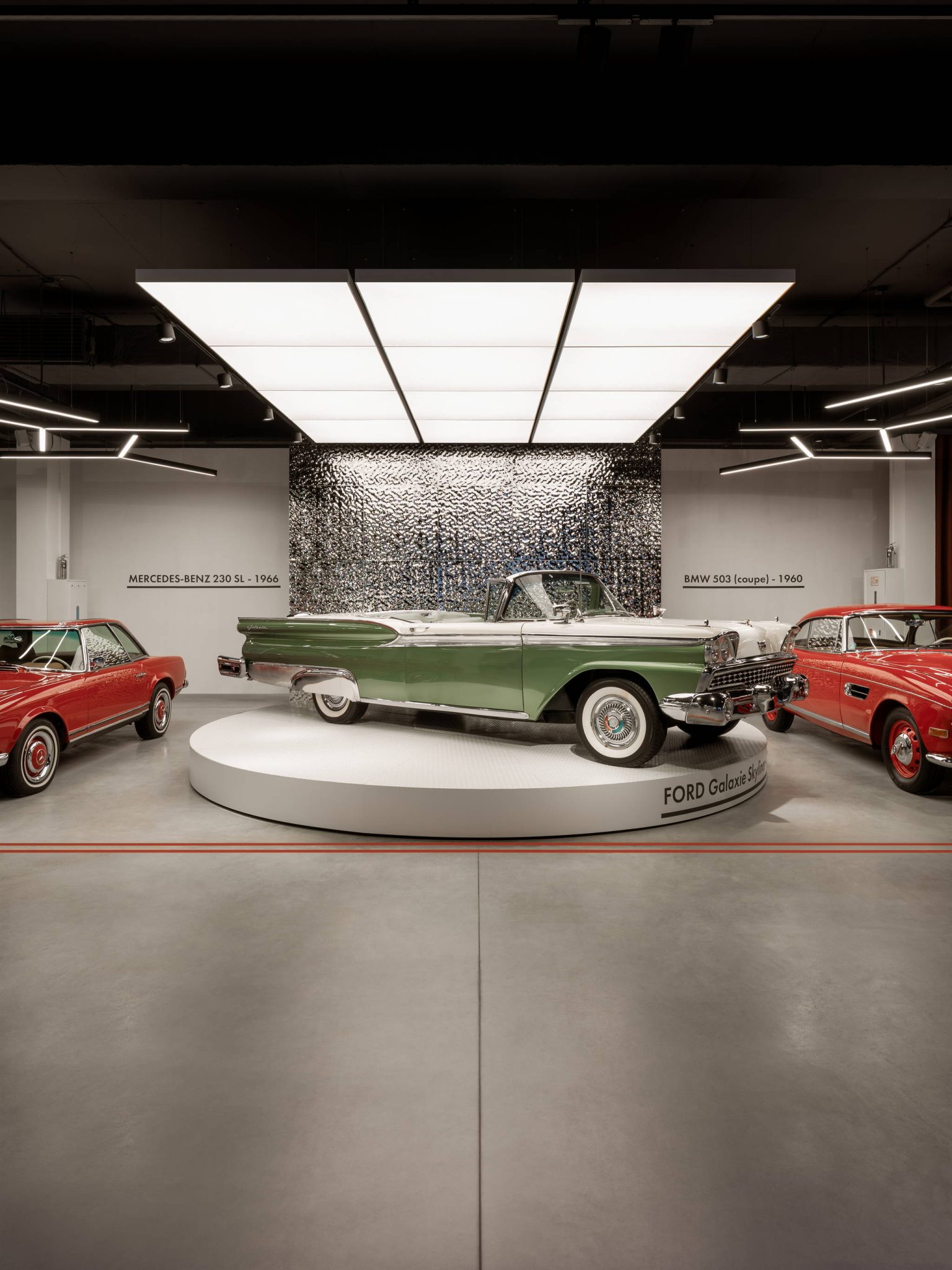
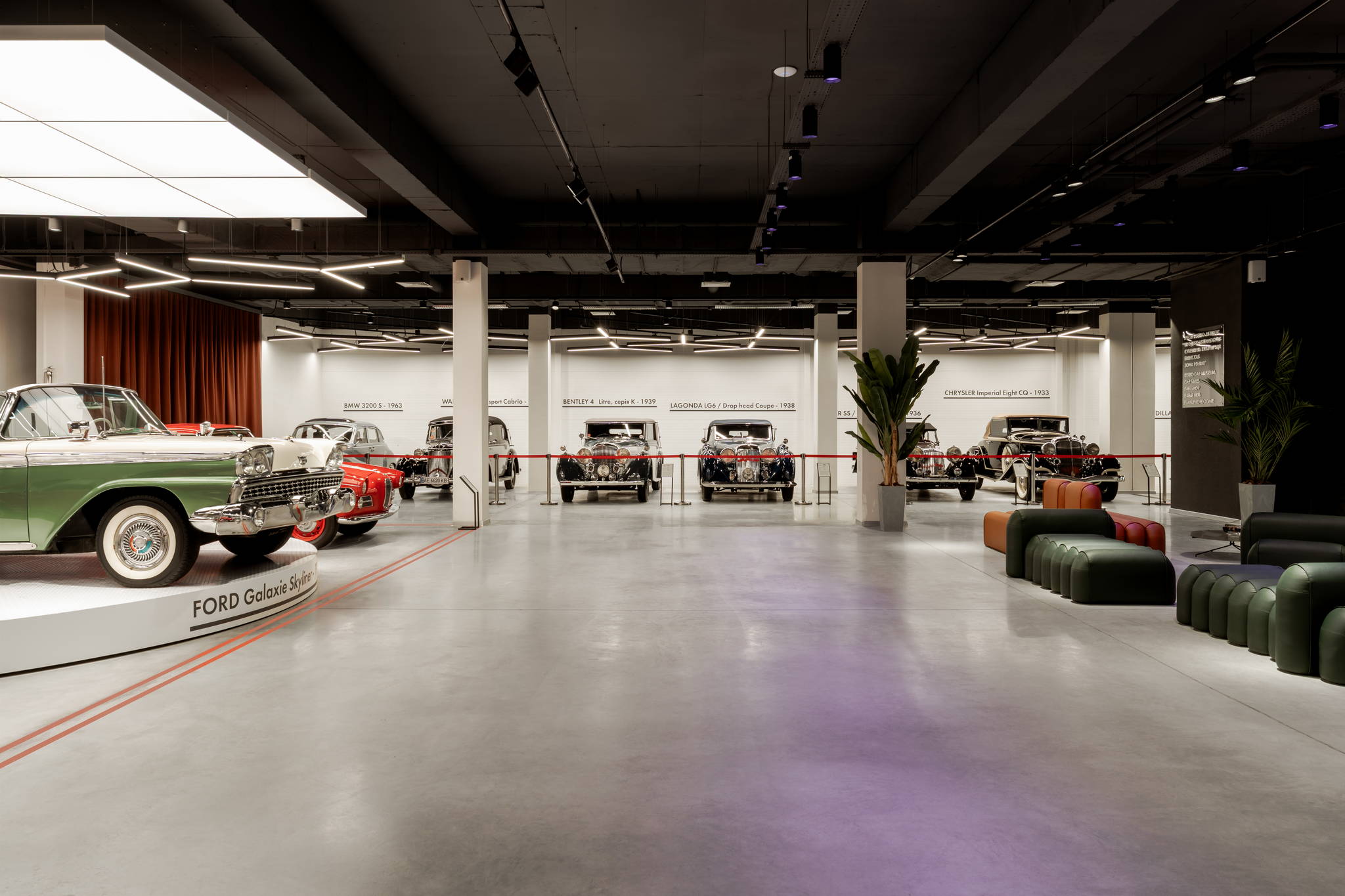
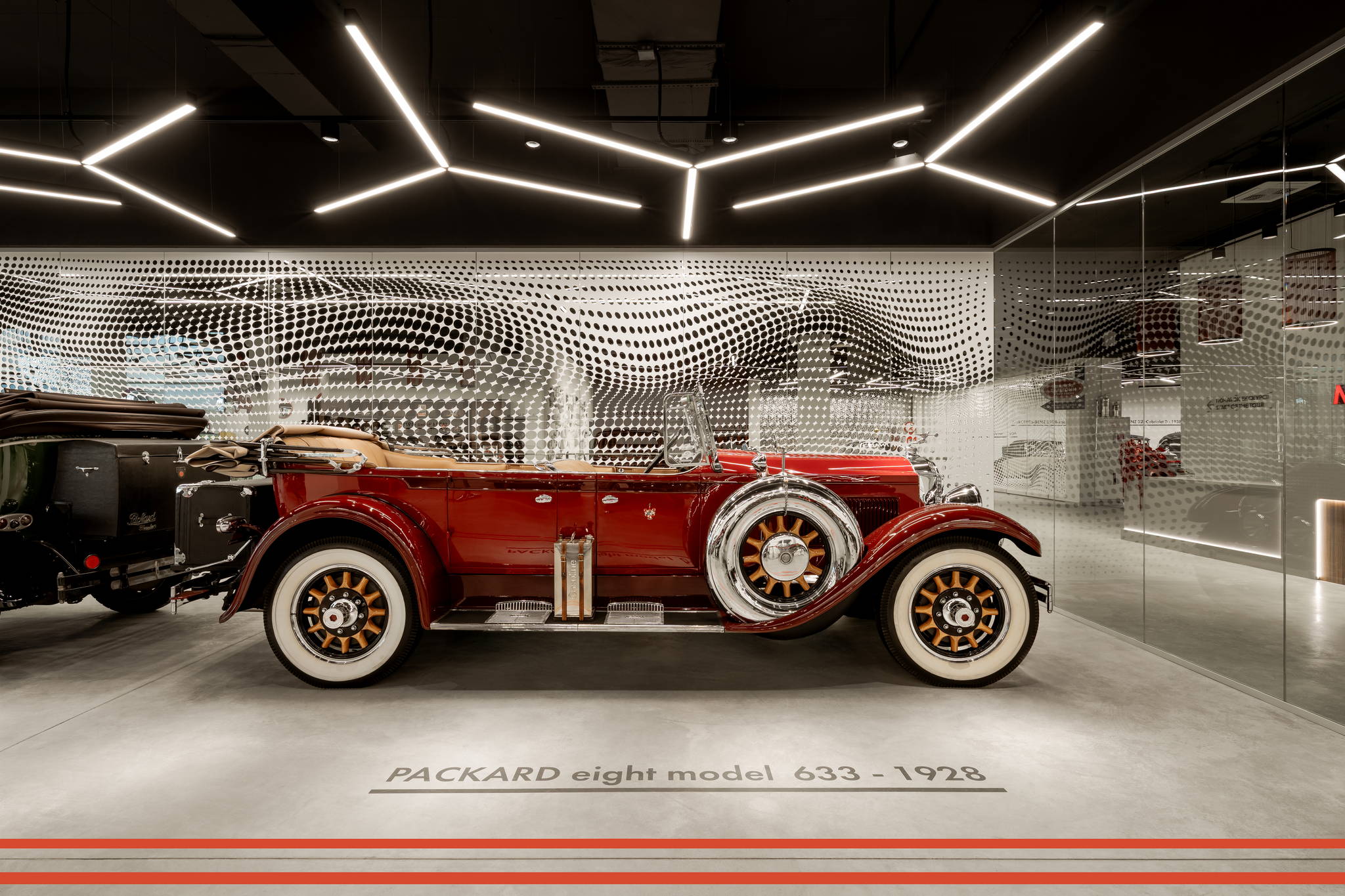
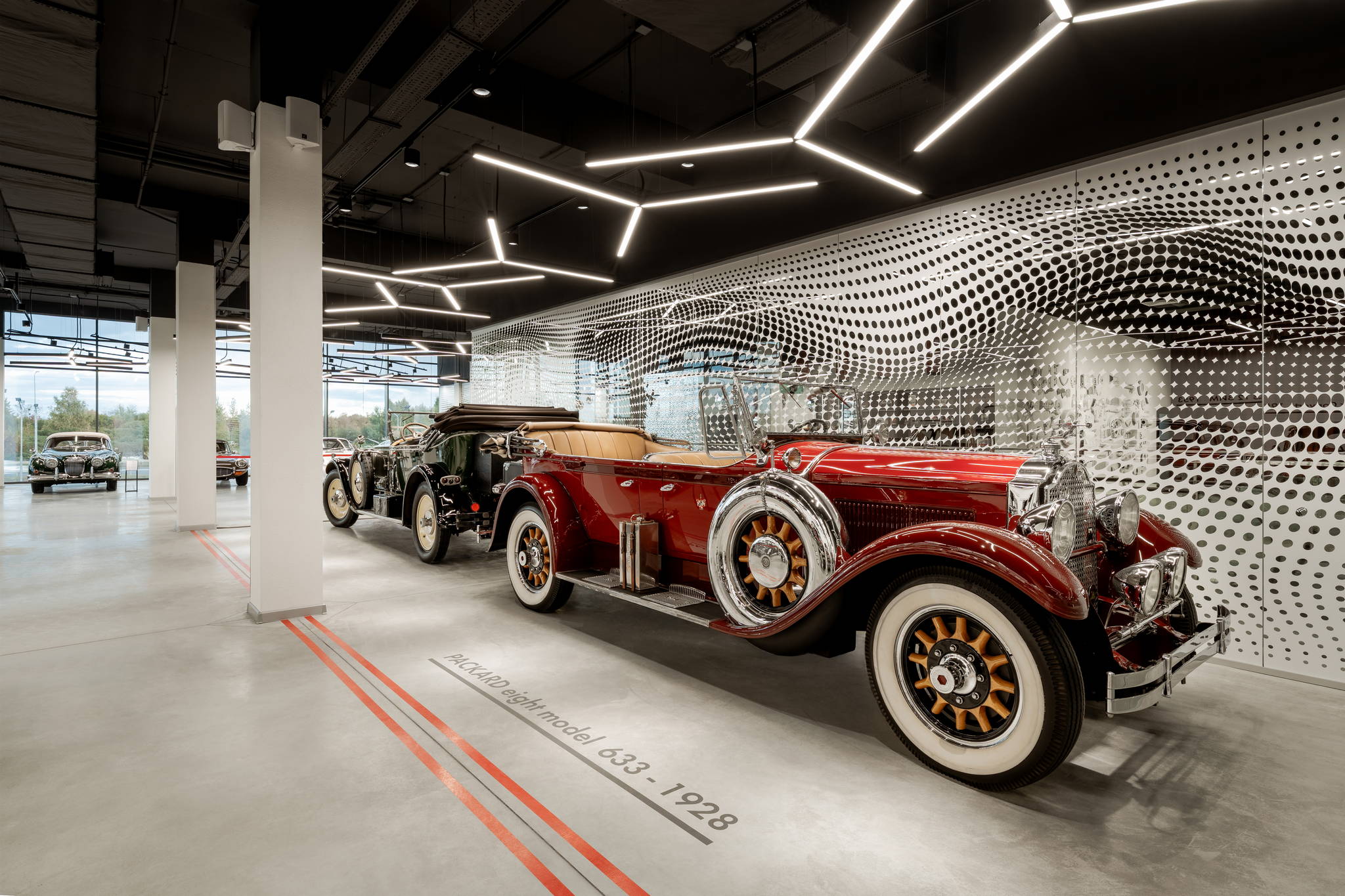
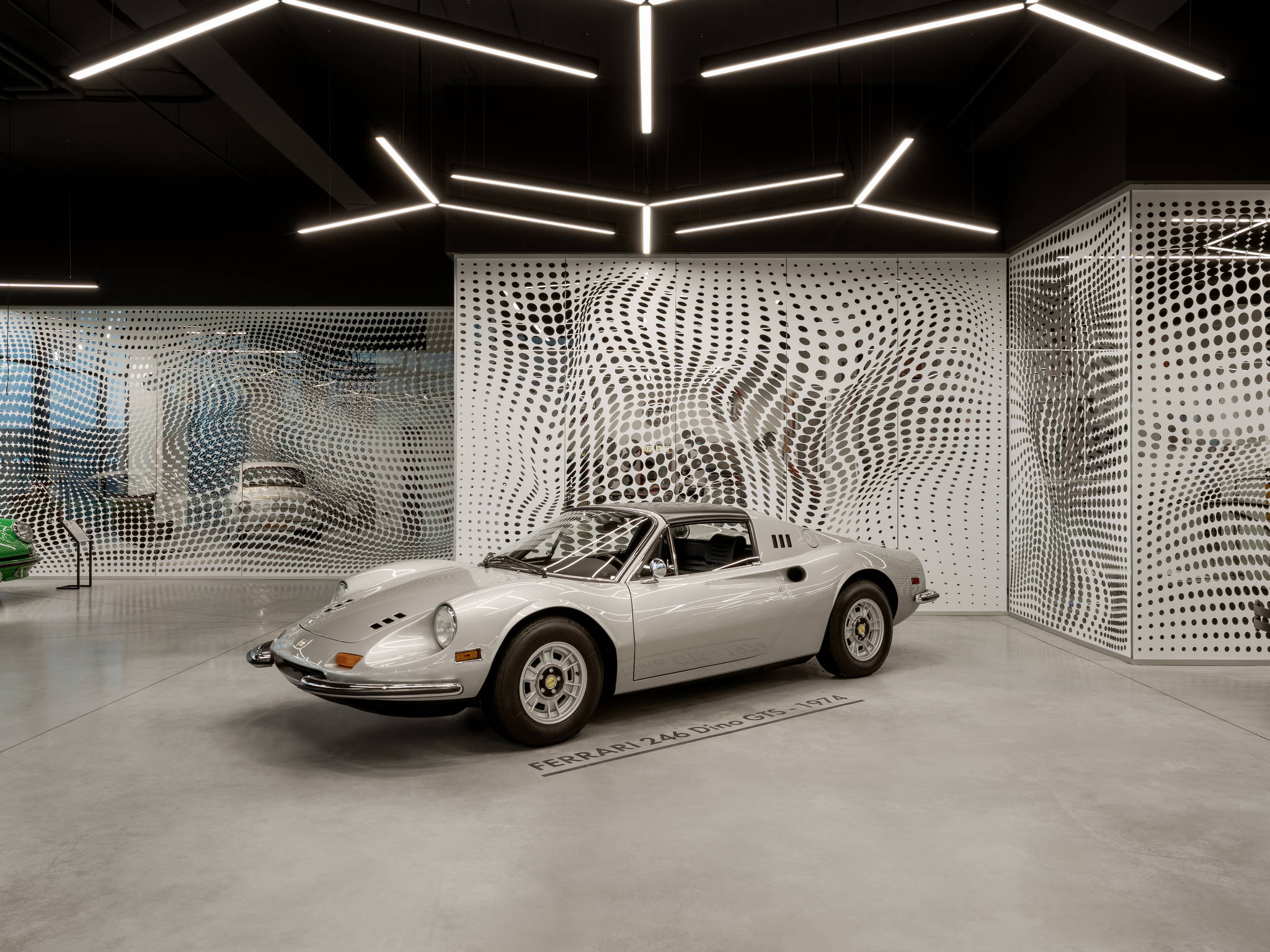
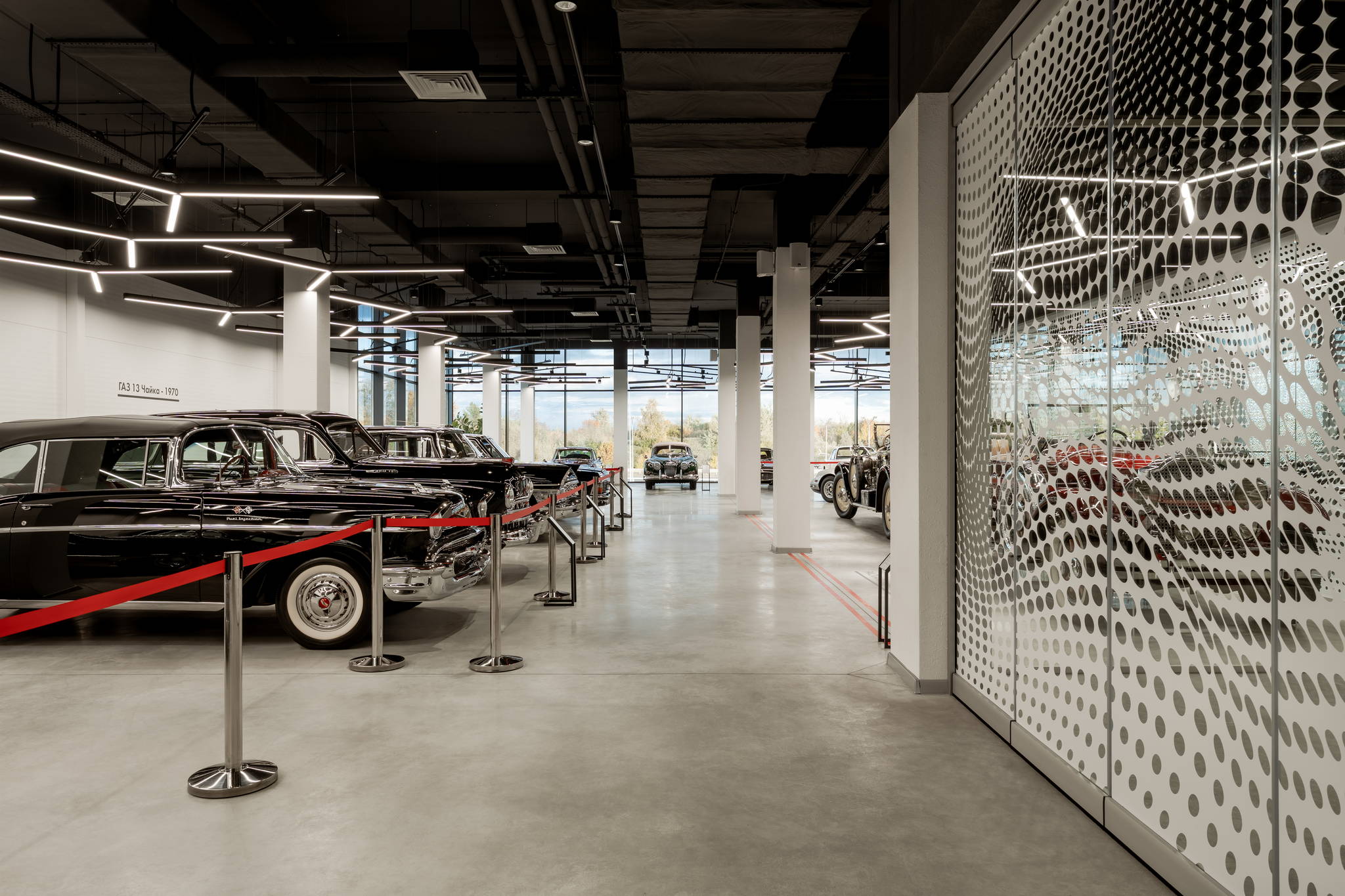
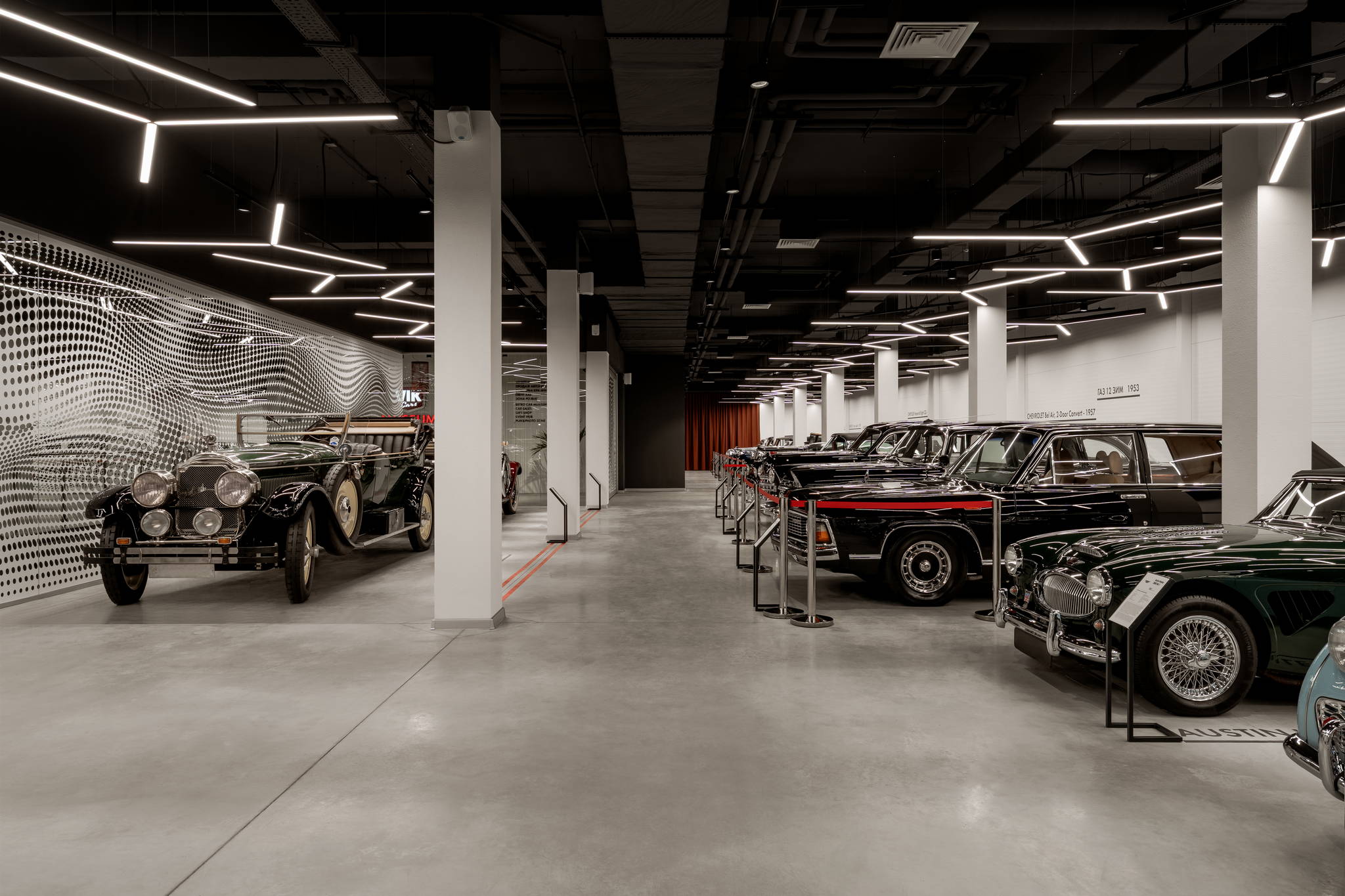
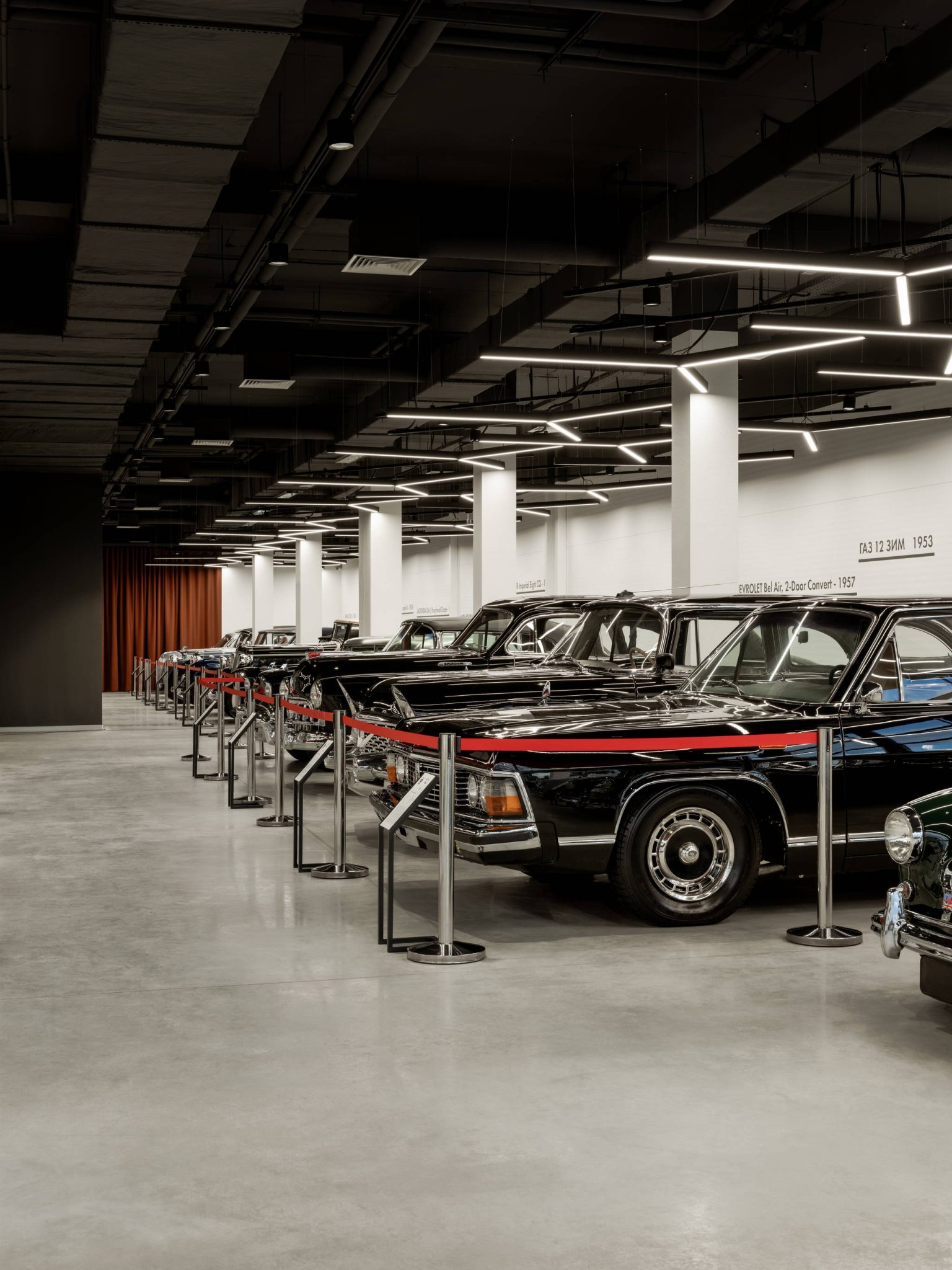
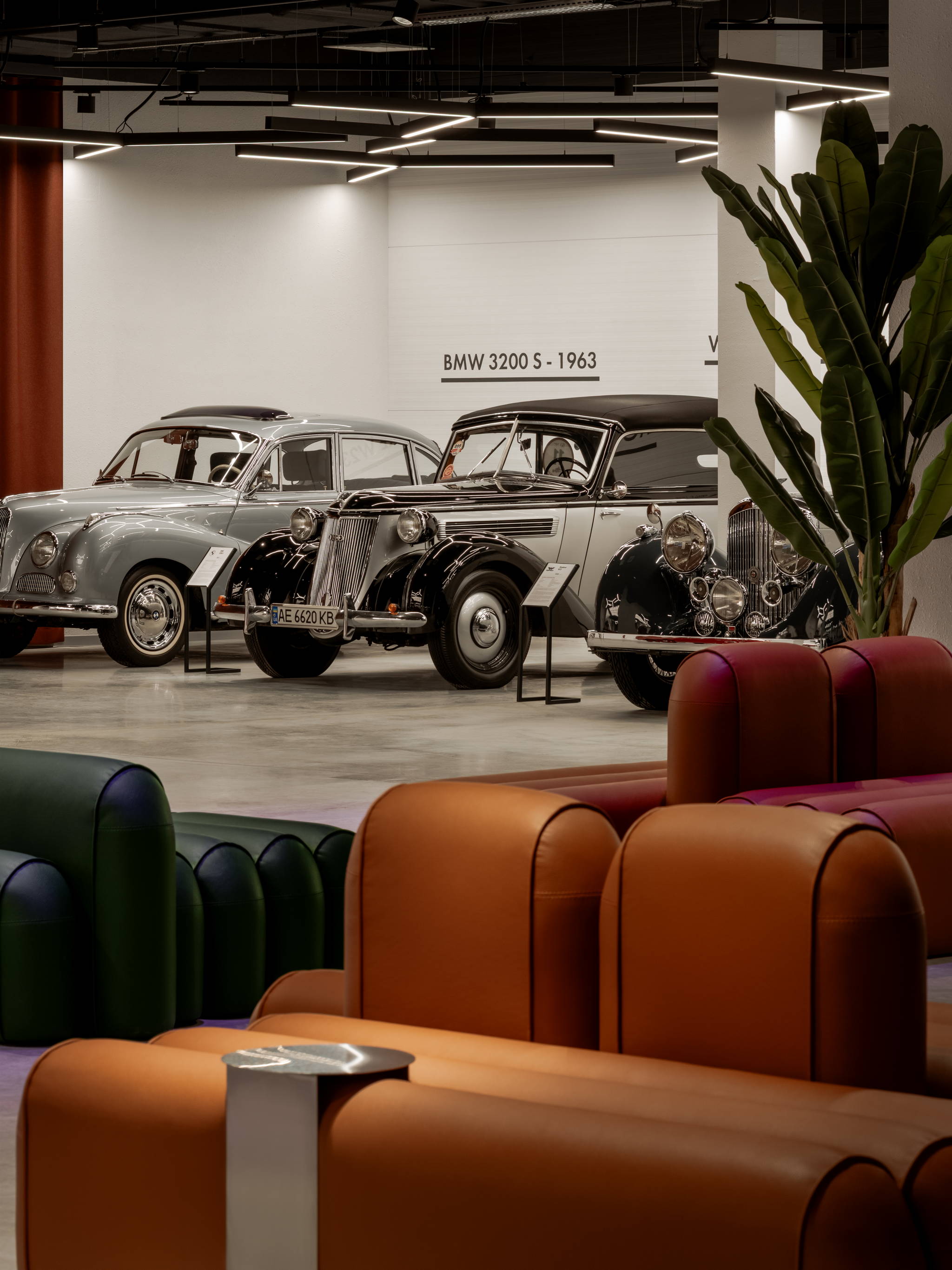
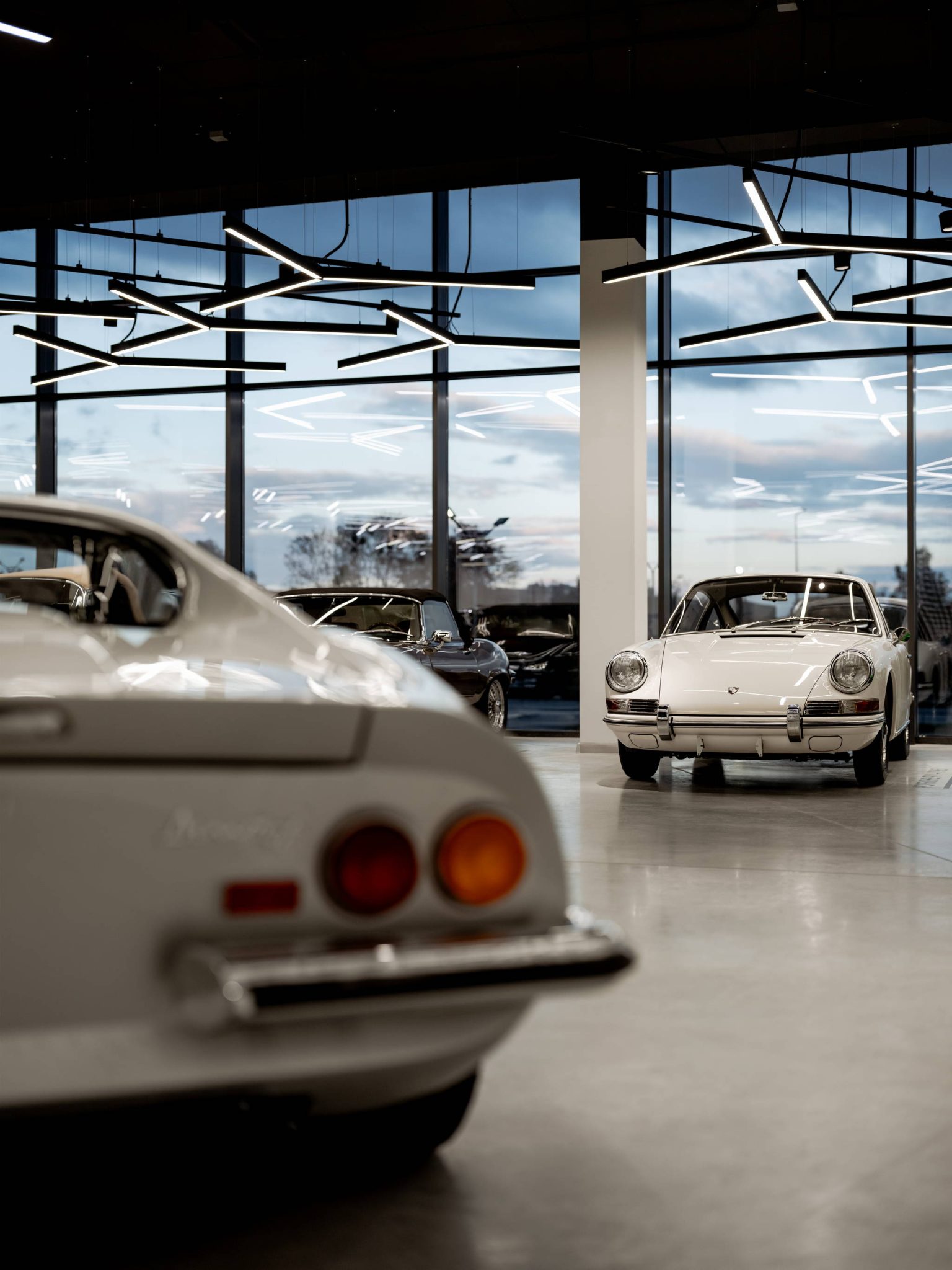
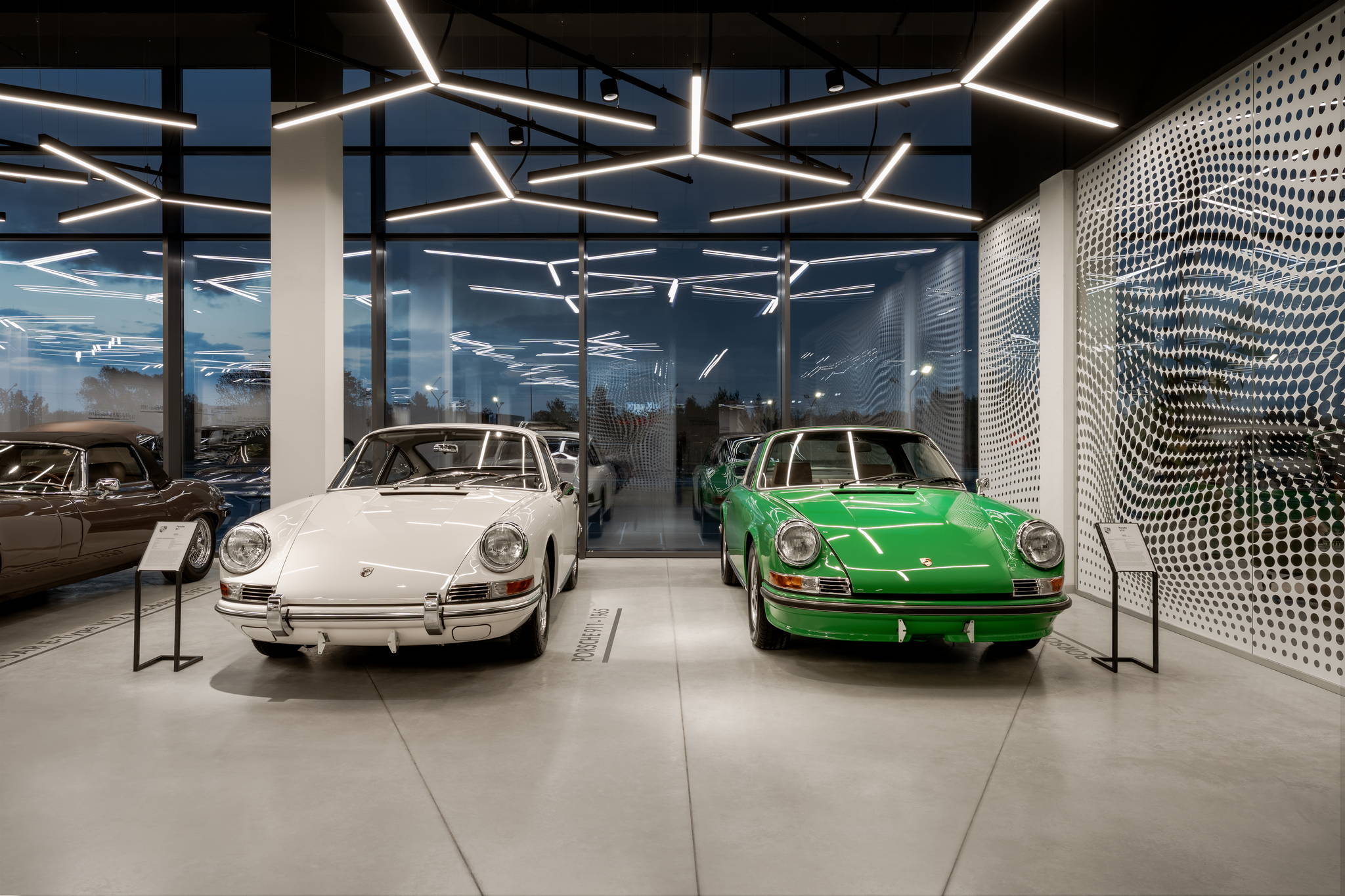
The museum’s collection includes 38 cars. Among the exhibits are century-old models by the American brand Packard, icons of 20th-century sports engineering such as the Ferrari Dino, as well as relatively young vehicles less than 30 years old. A key task was to establish a dialogue between different eras, allowing each car to function as part of a cohesive narrative. To achieve this, the exhibition was organized by manufacturer.
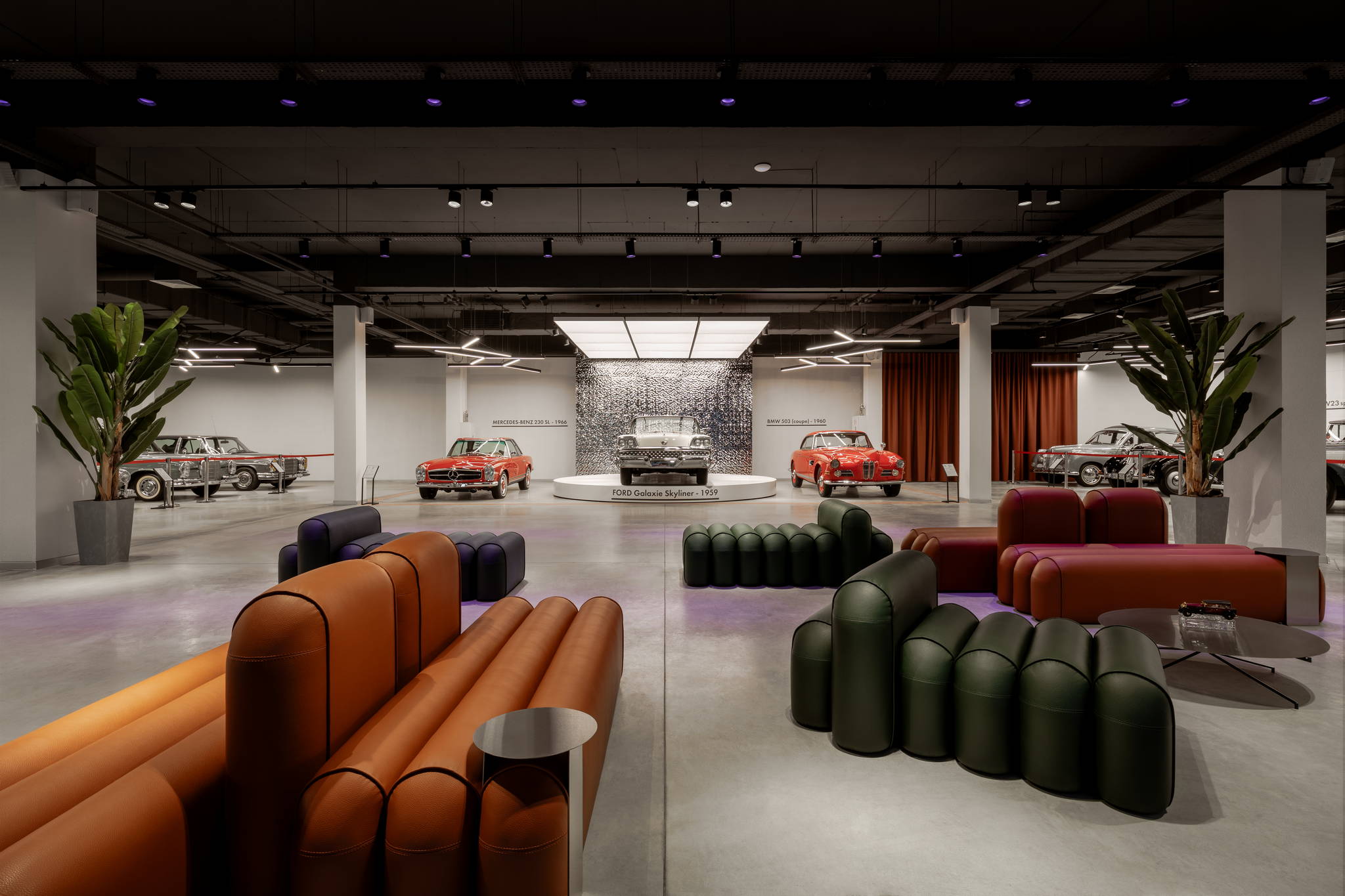
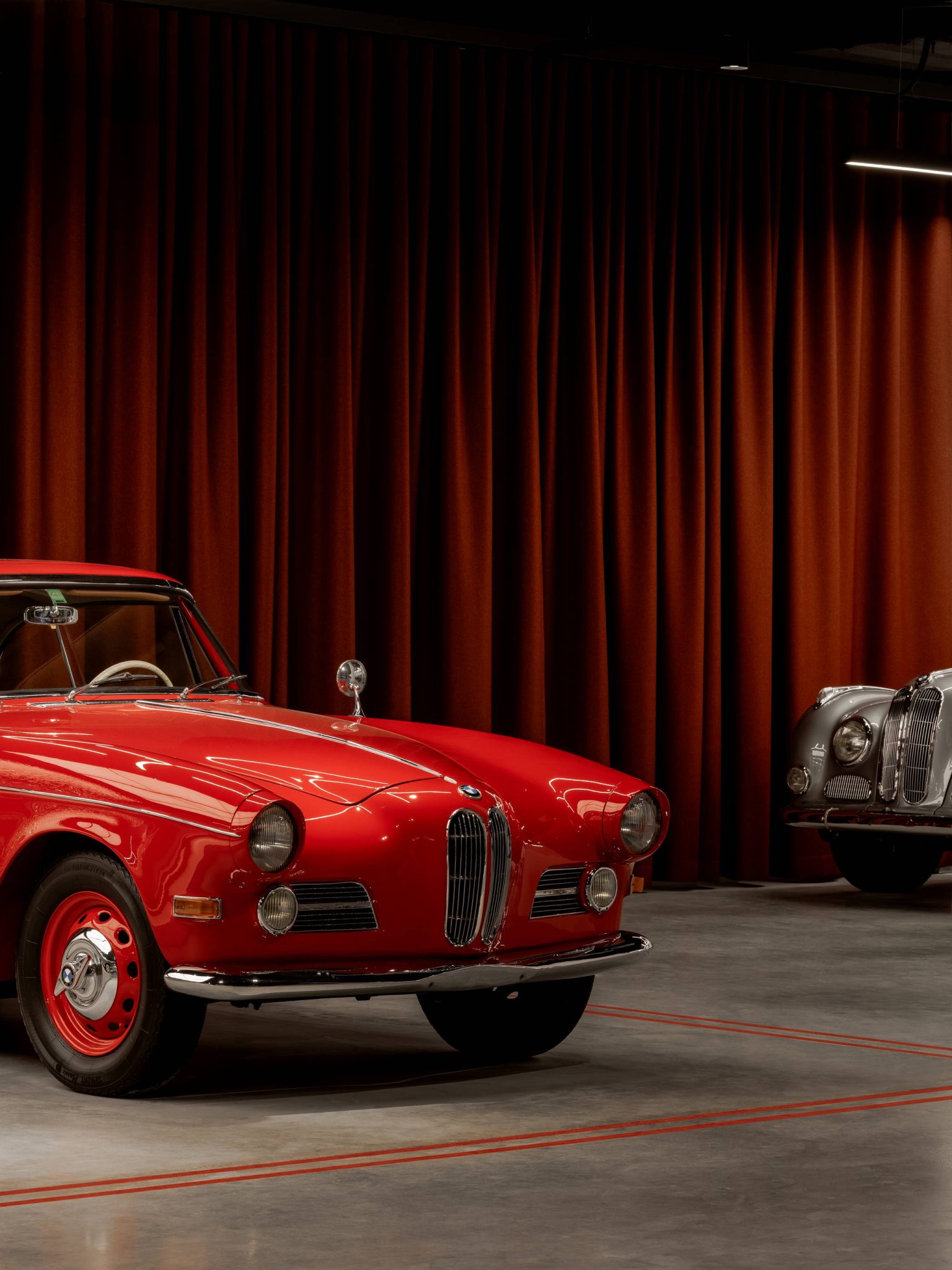
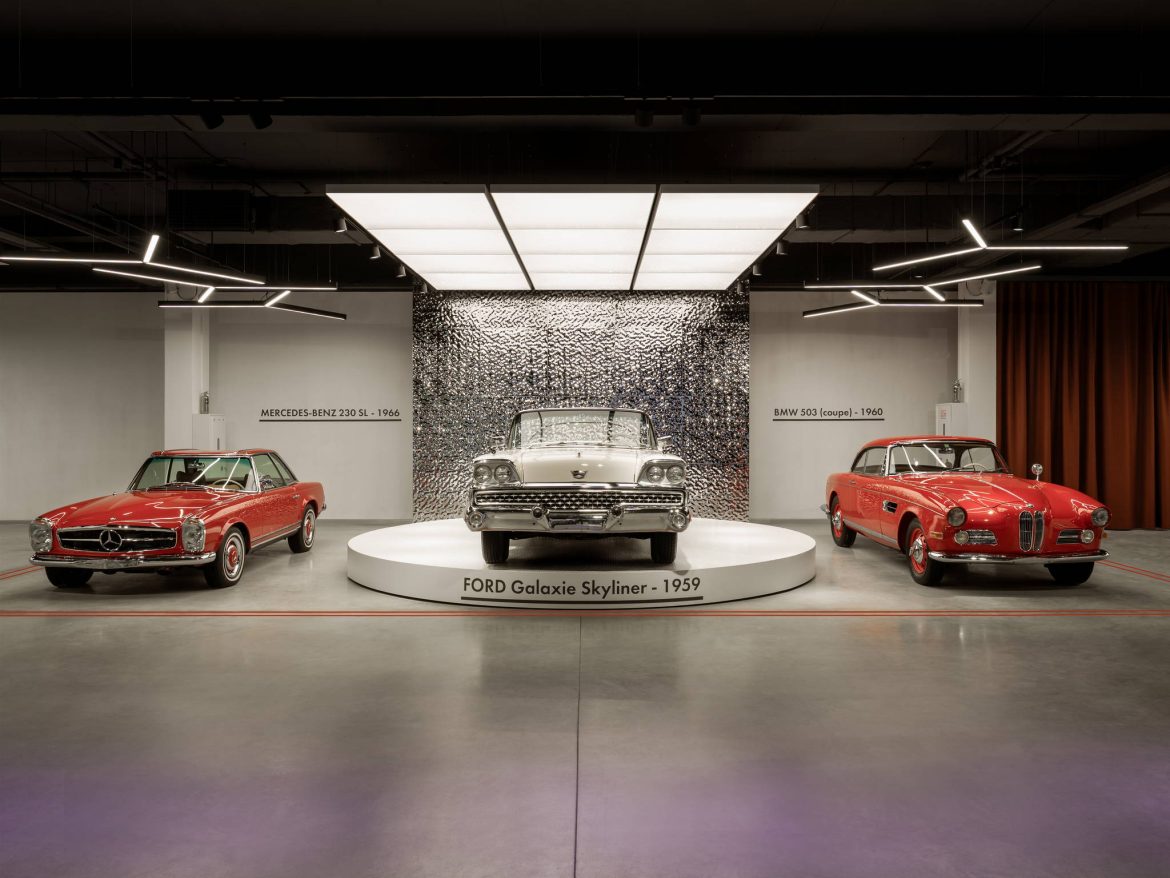
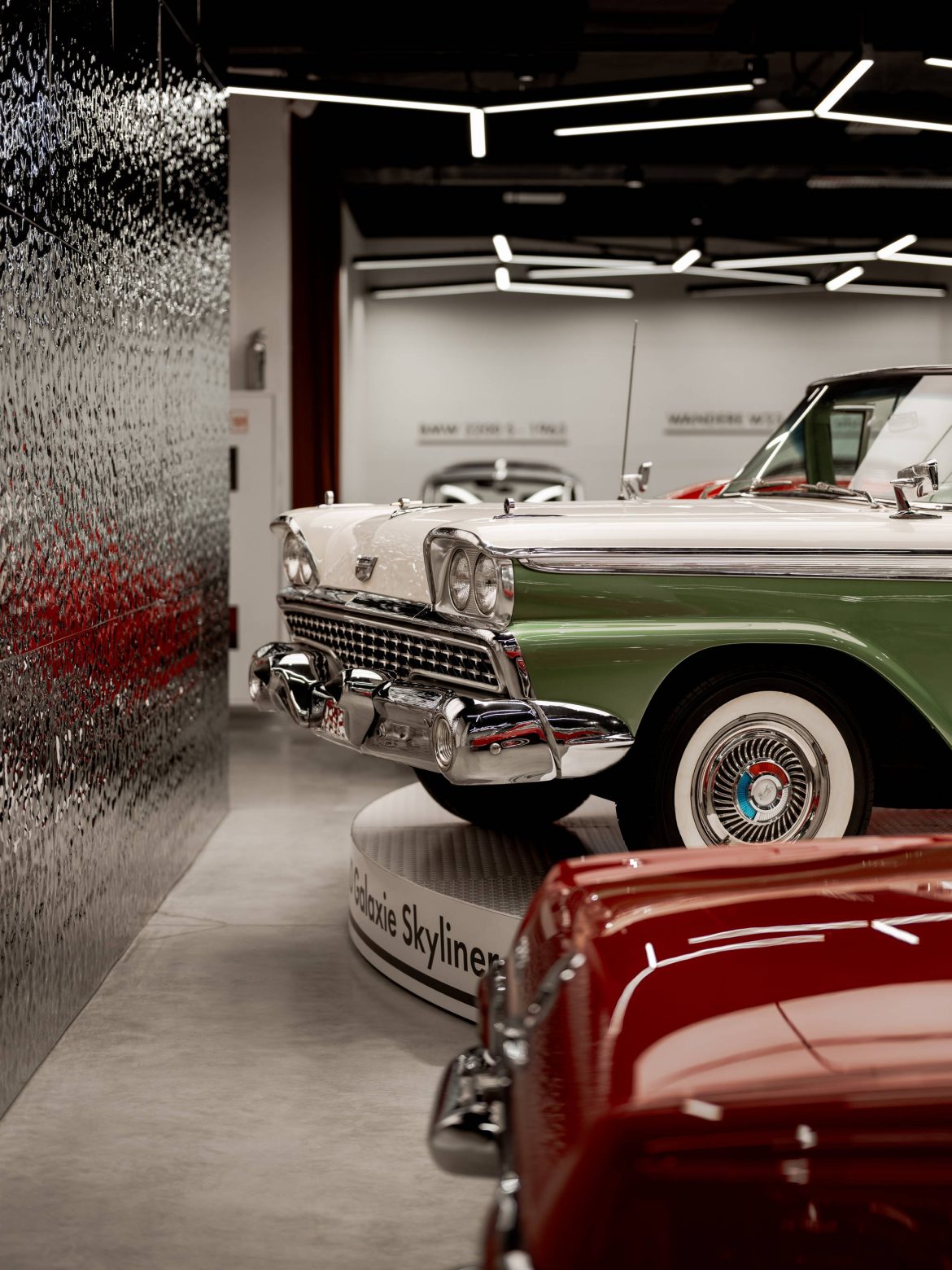
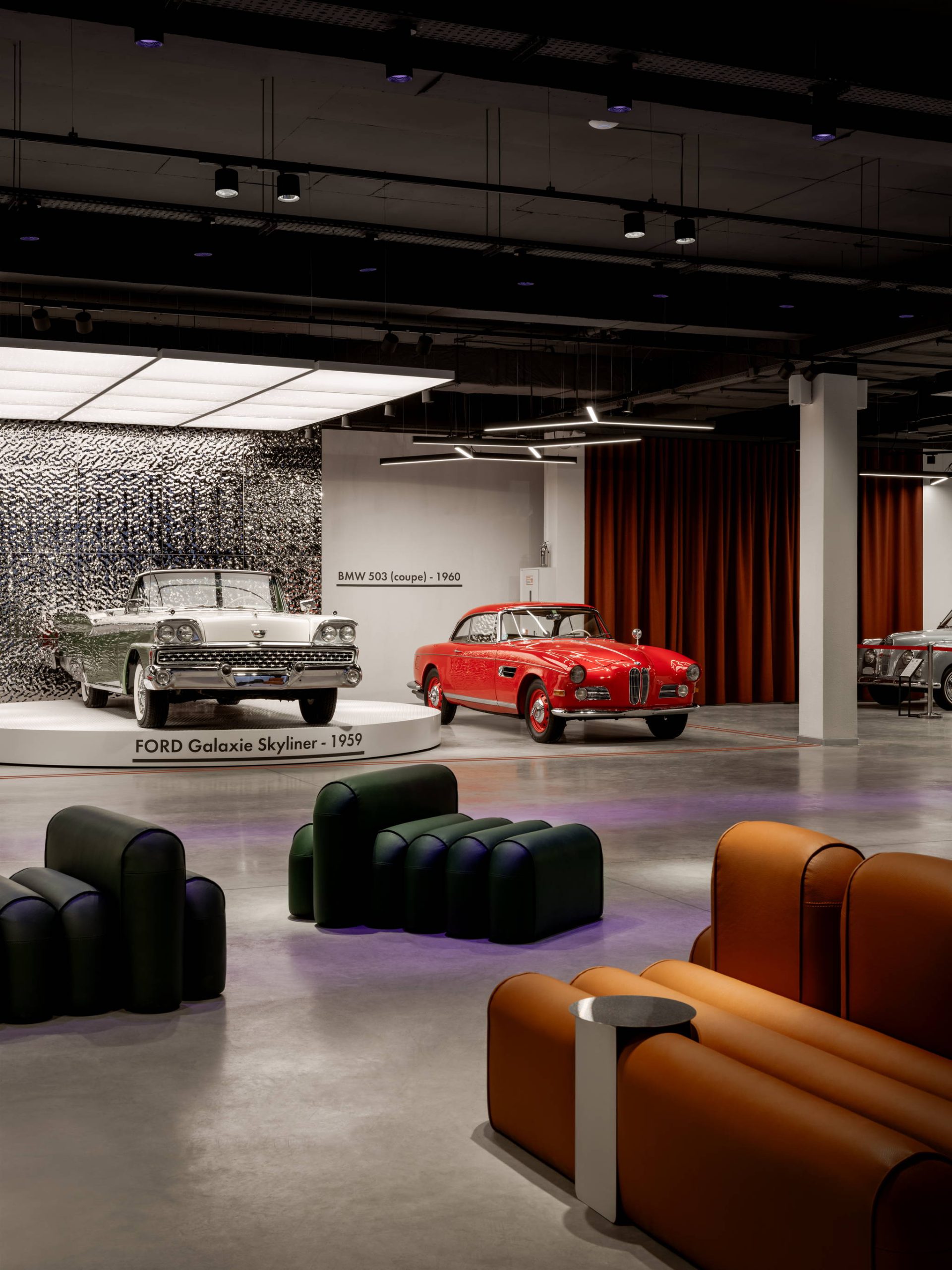
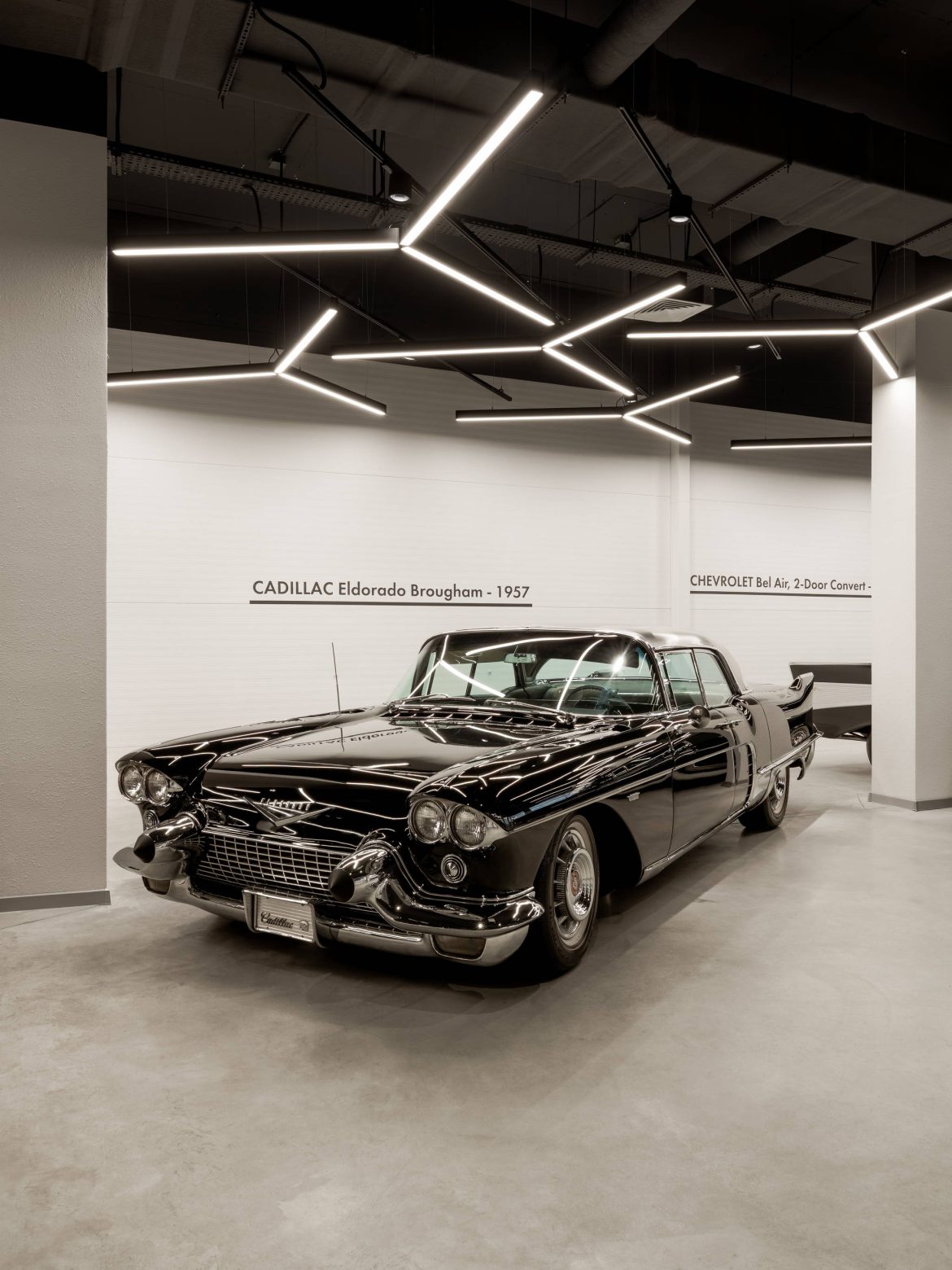
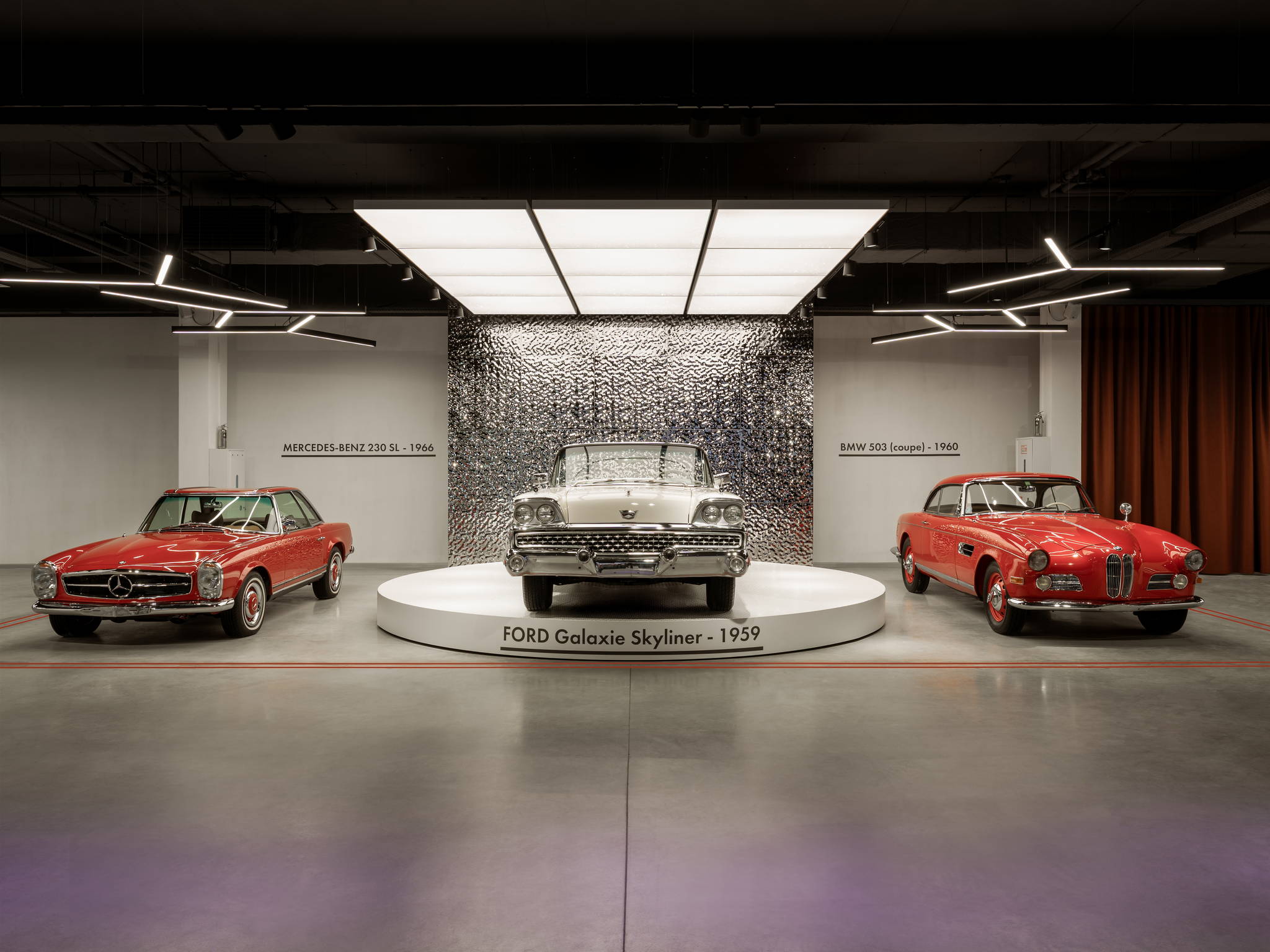
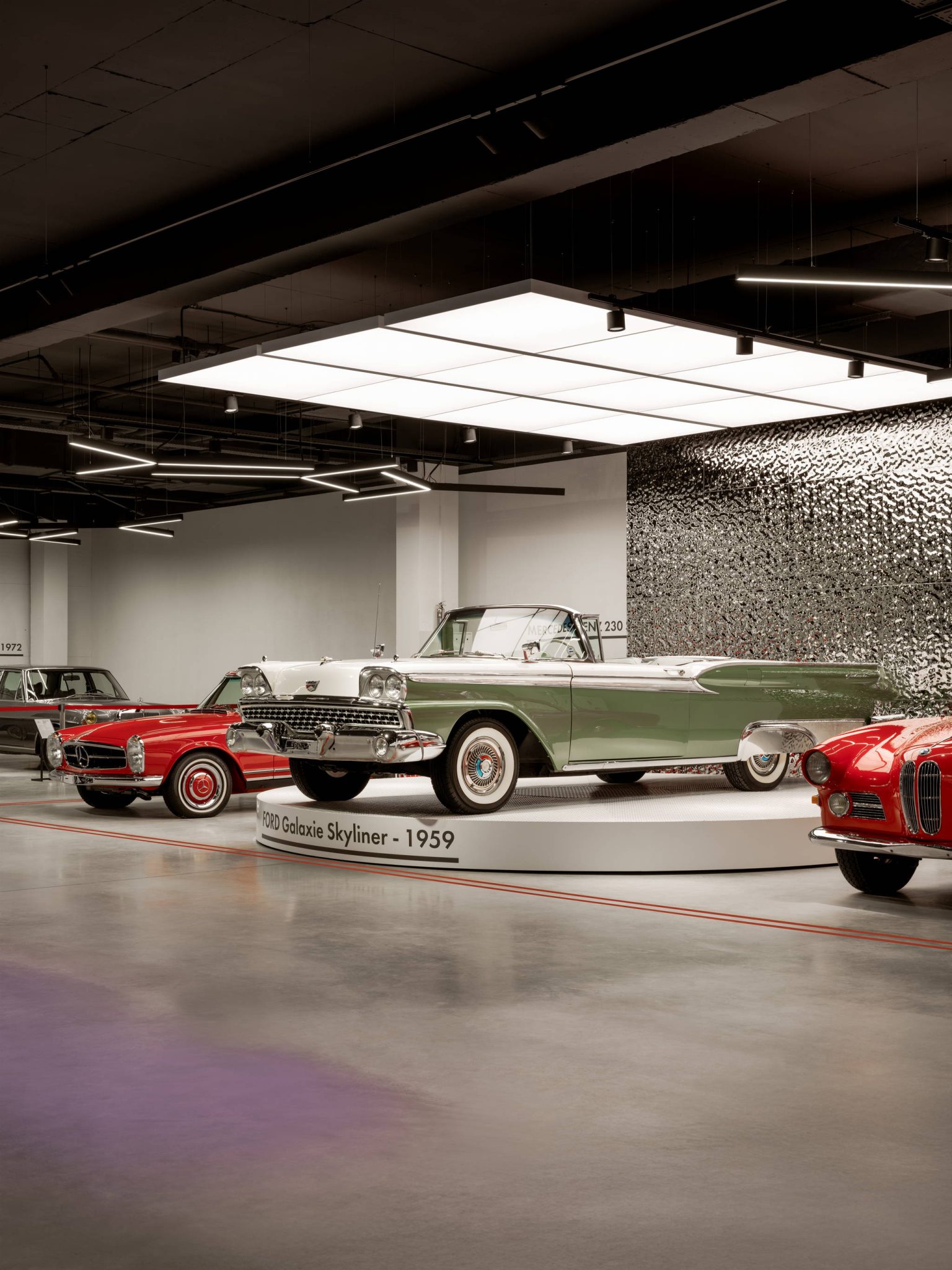
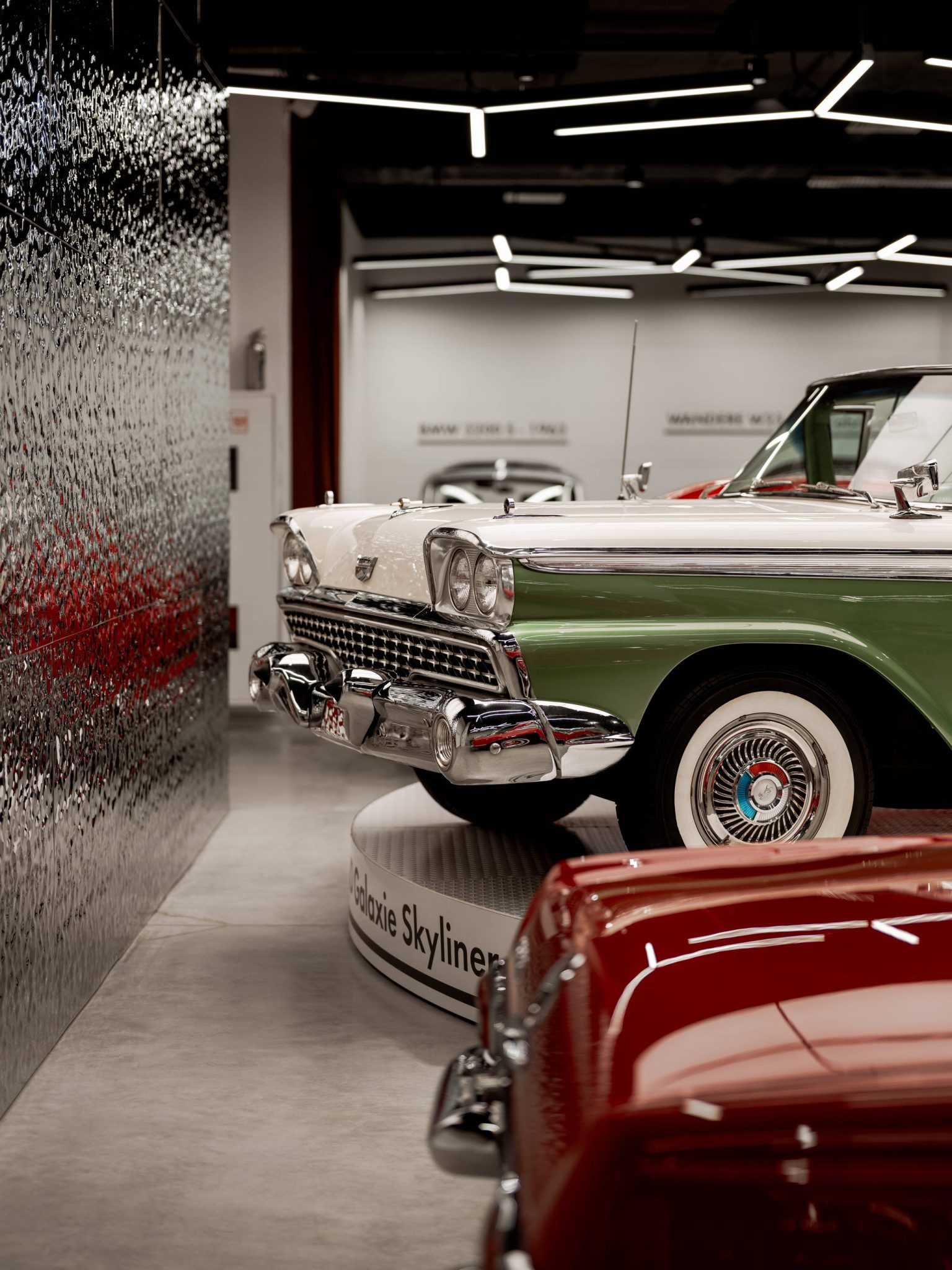
“I wanted to create a stage for the cars – one where each exhibit, with its lines and curves, chrome details, and reflections, would receive maximum attention,” explains the designer.
YOU MIGHT ALSO LIKE
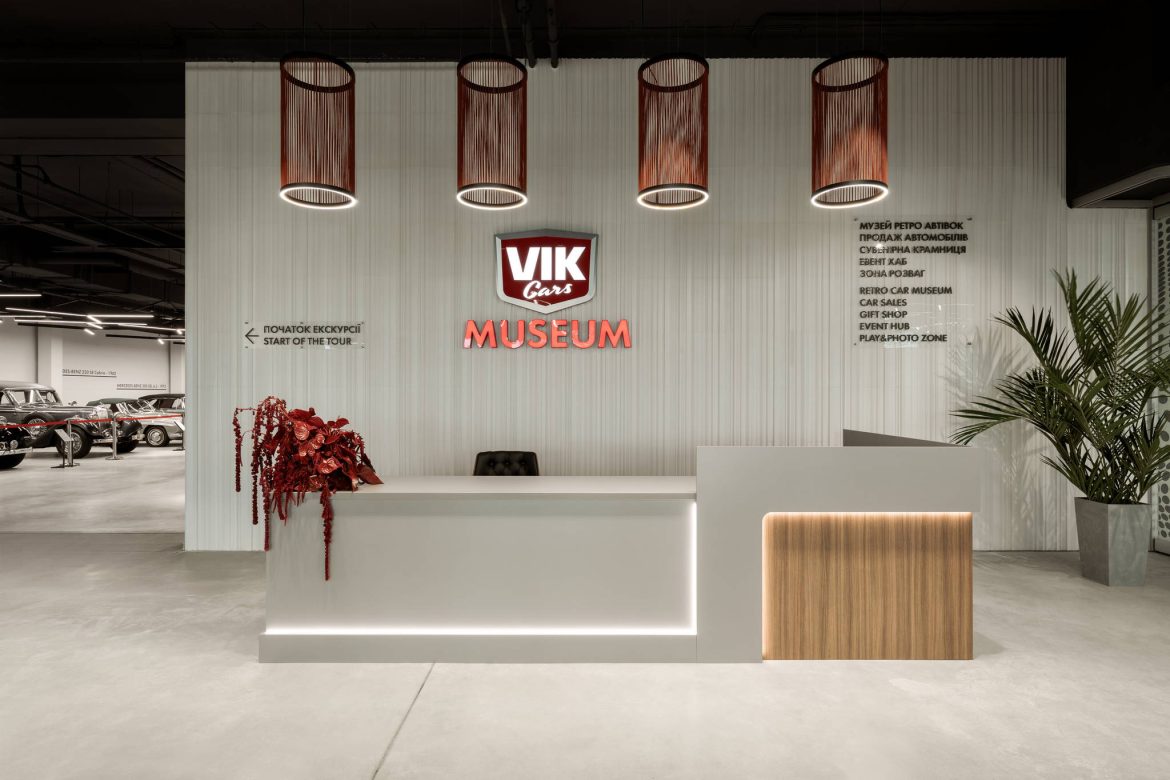
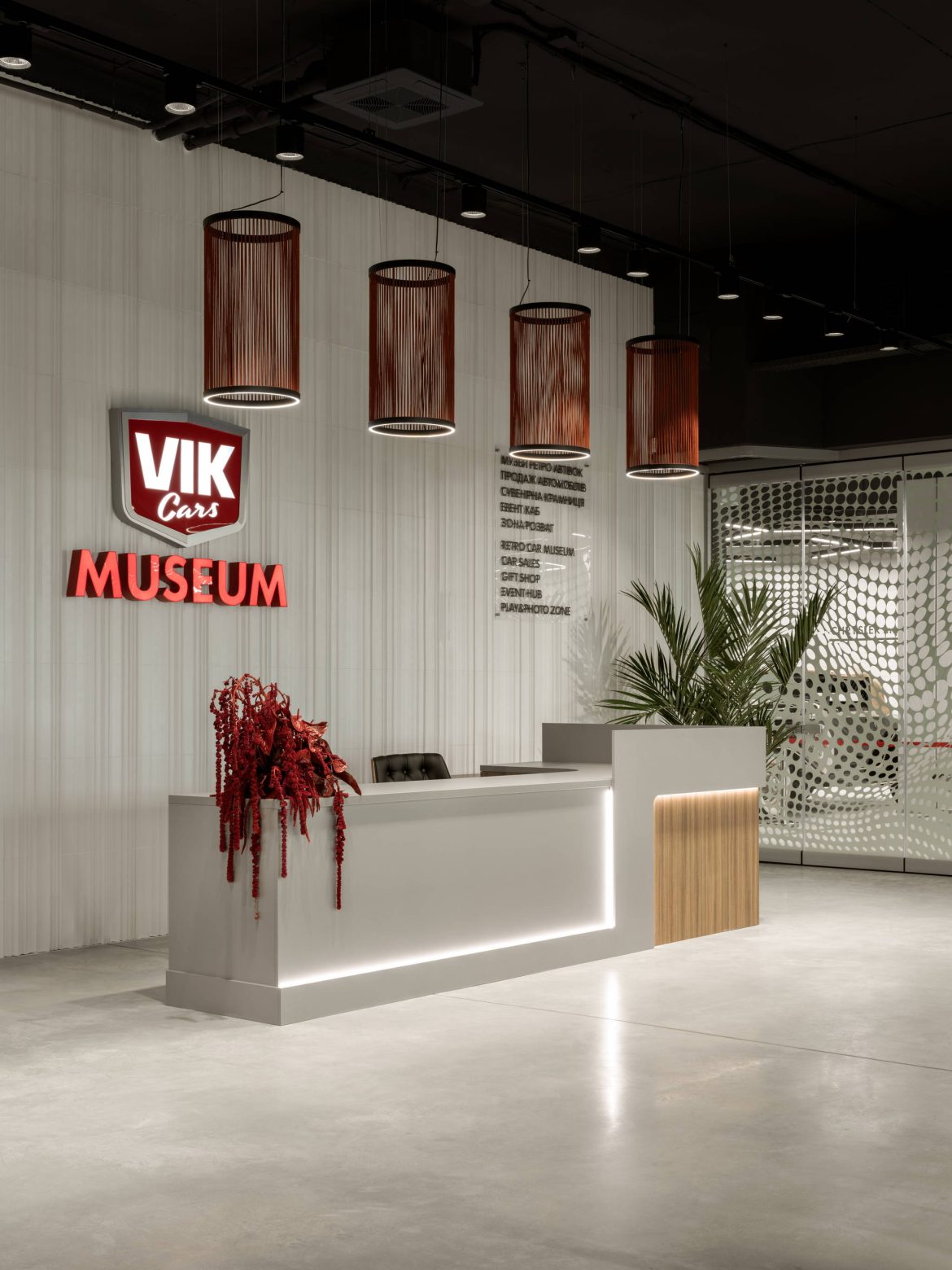
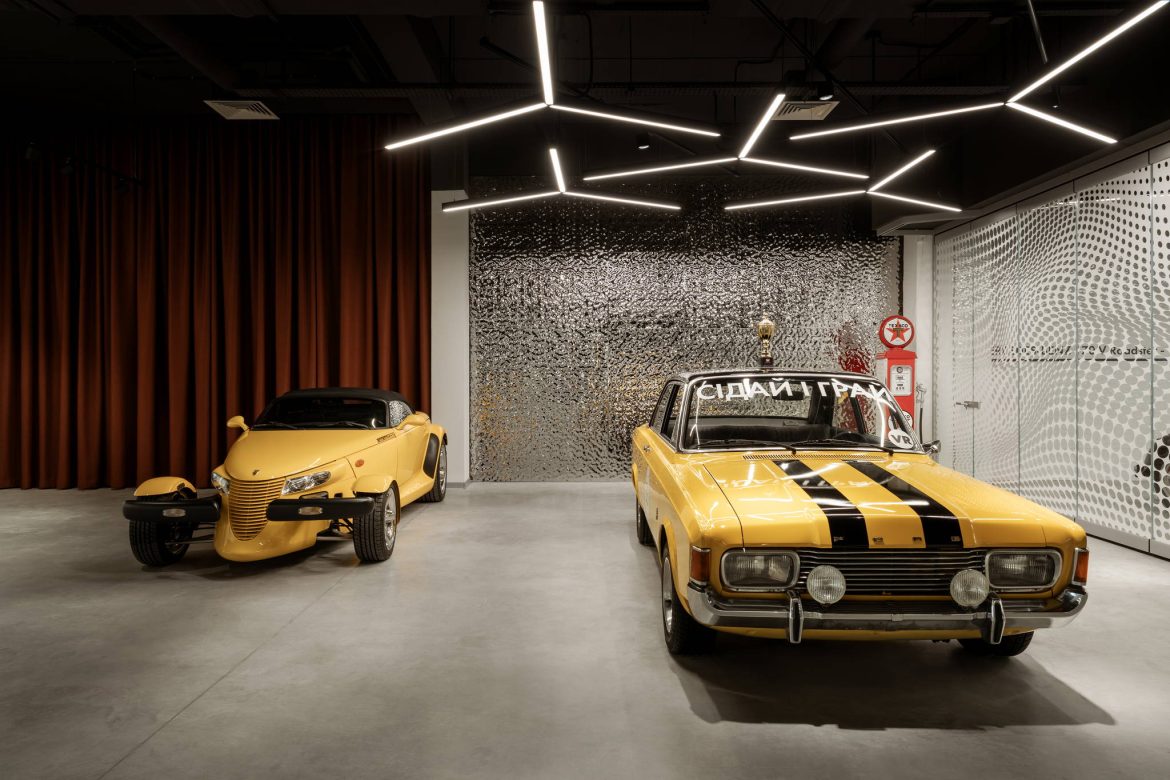
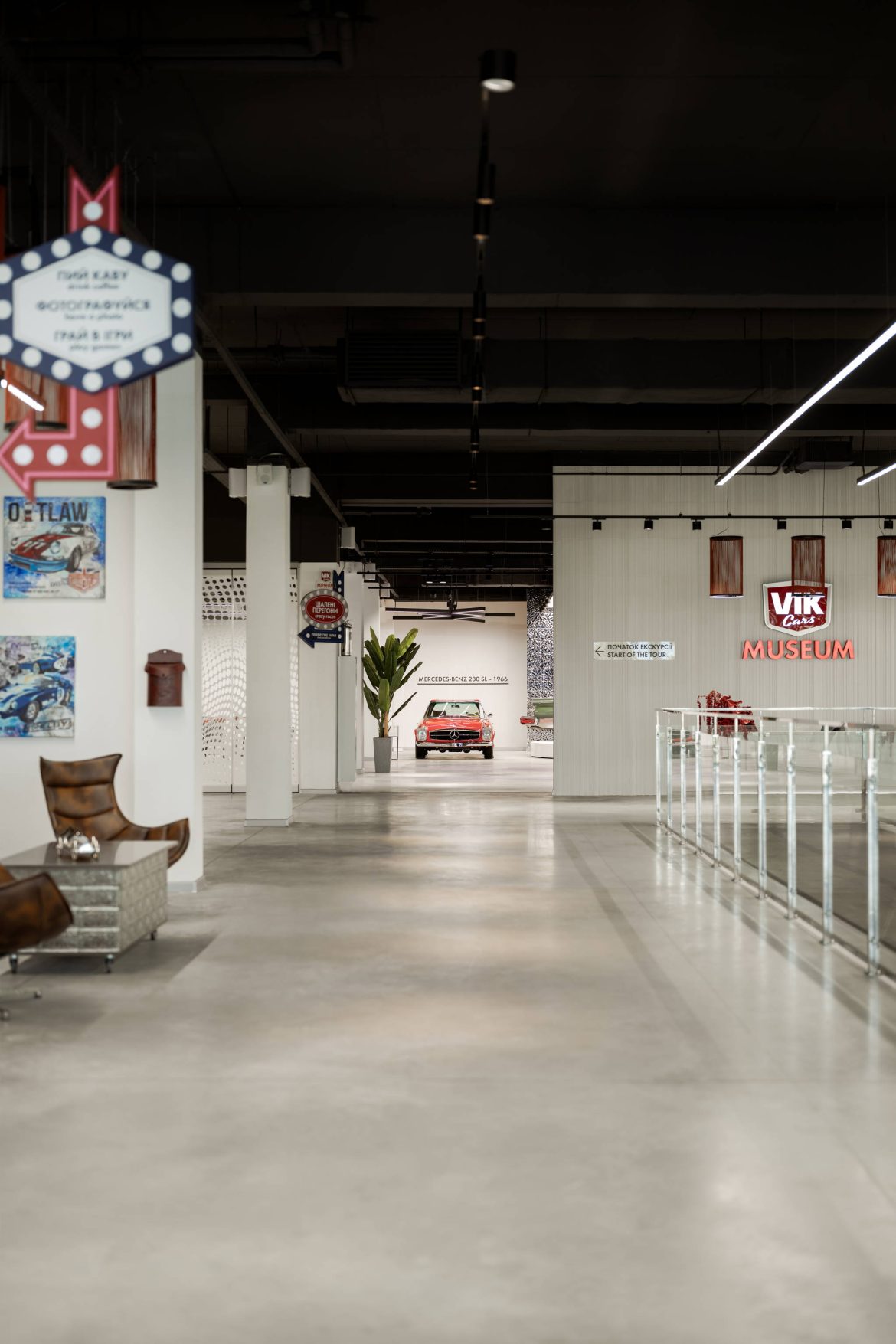
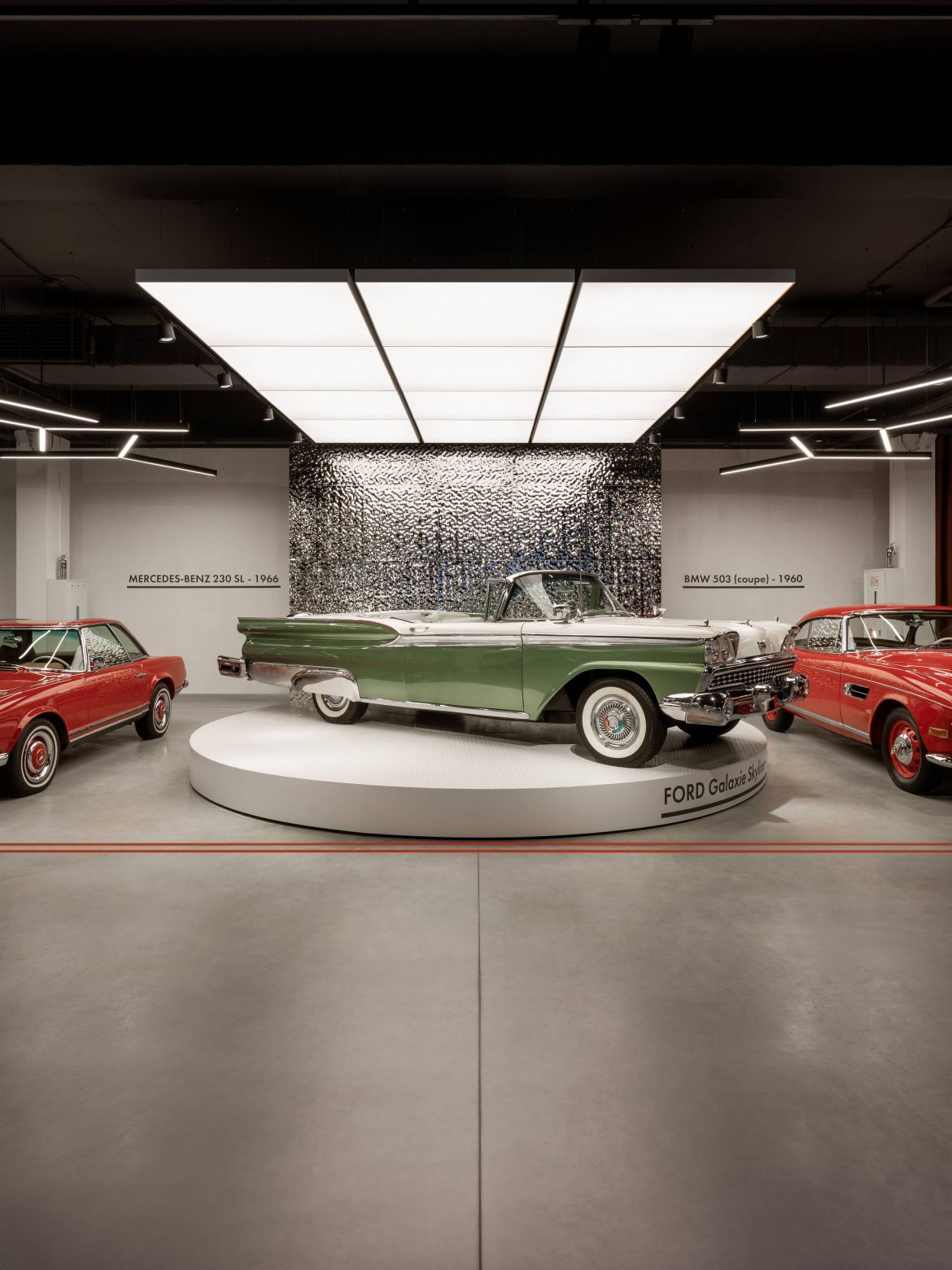
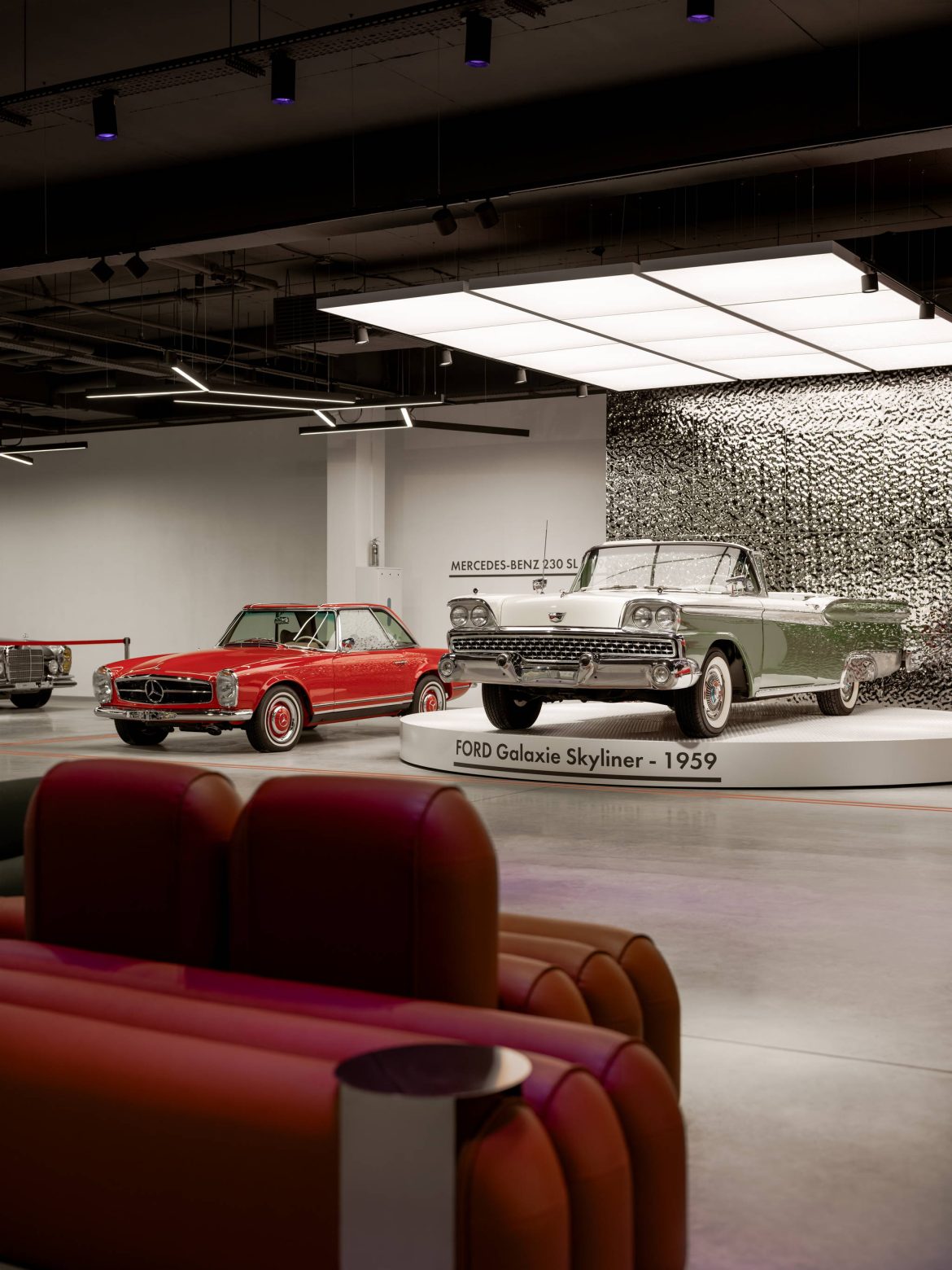
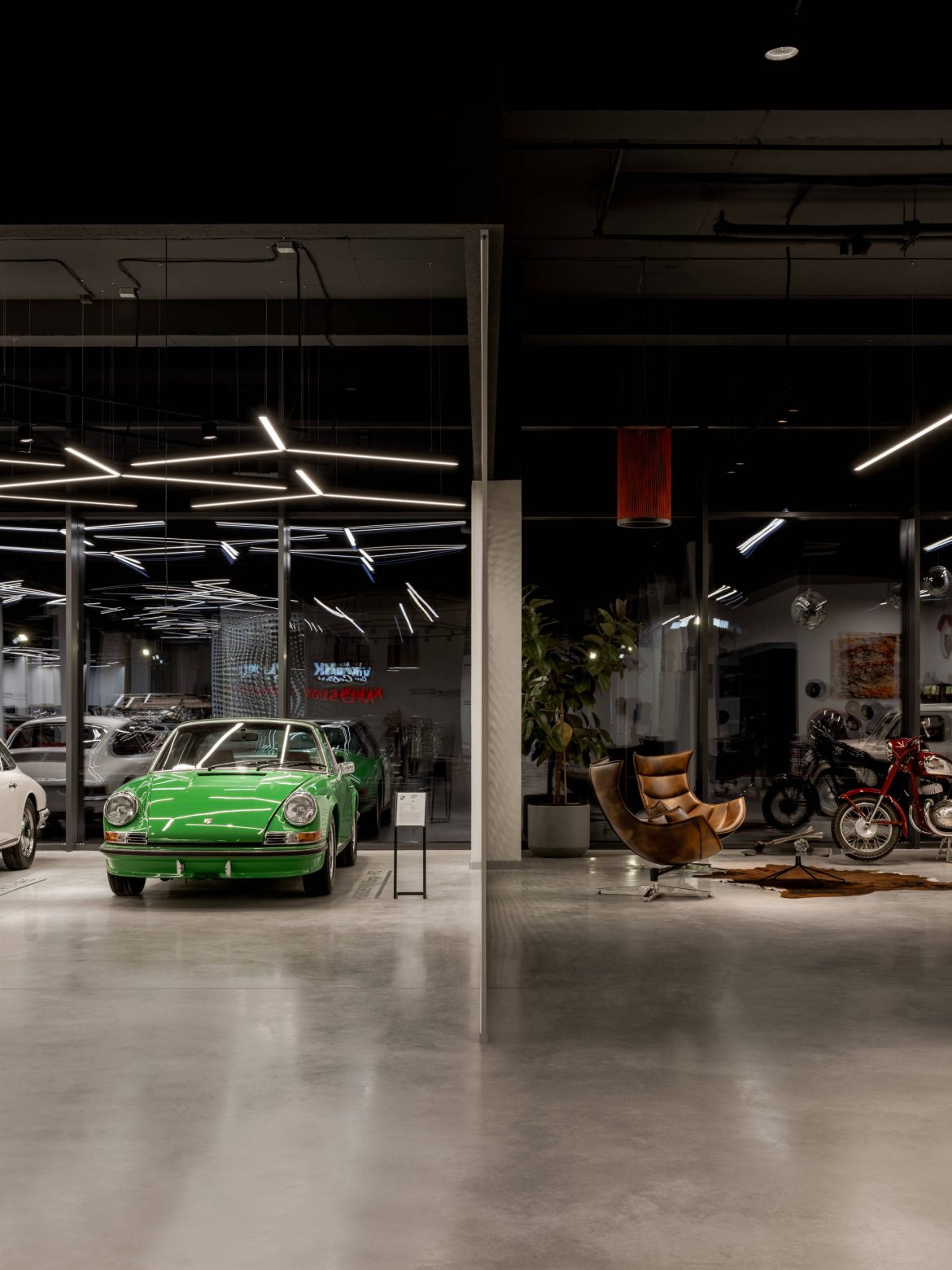
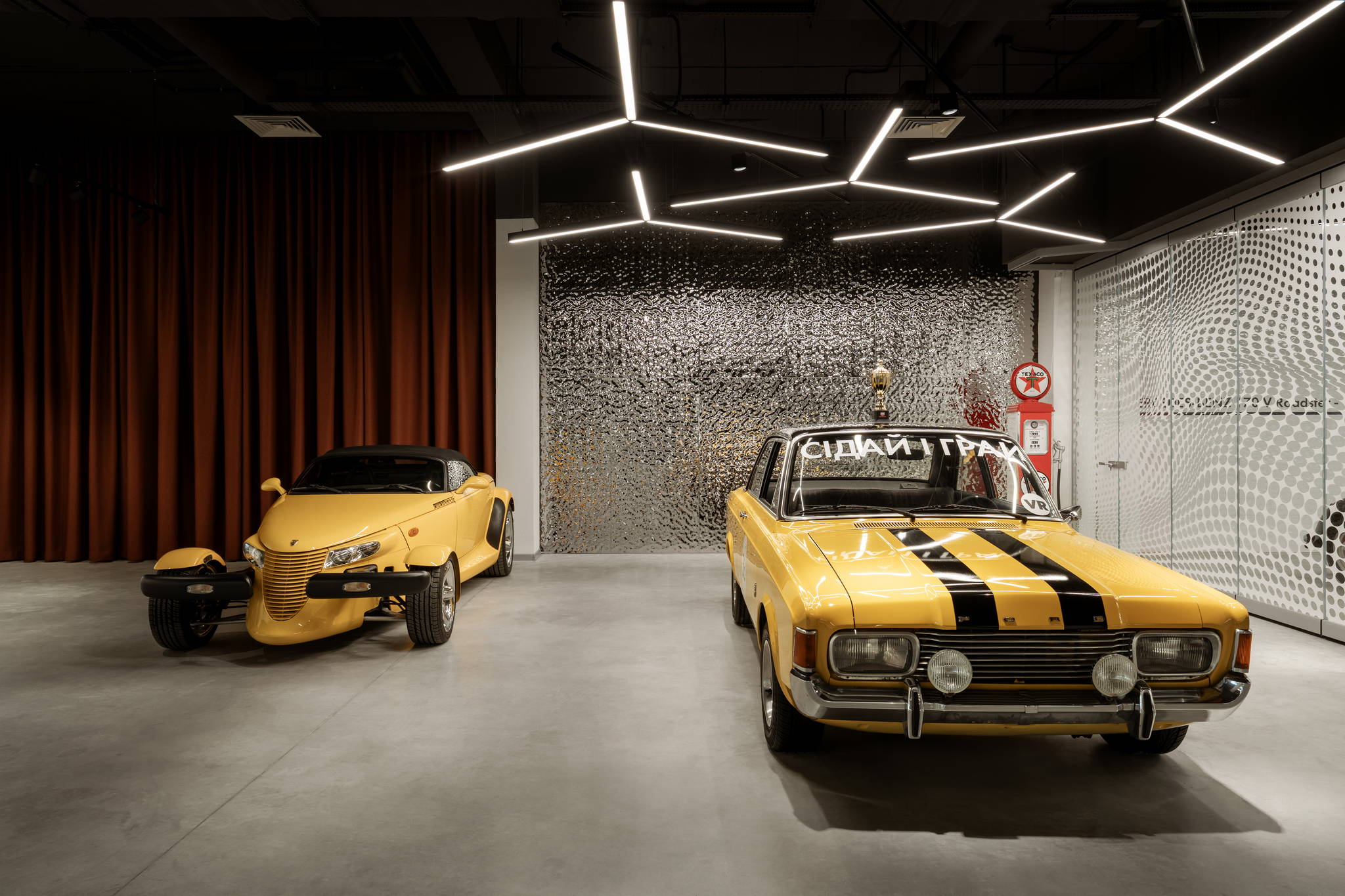
Light became the primary design tool. Accent spotlights are precisely directed at each vehicle, while linear lighting structures on the ceiling guide visitors through the space. Custom ceiling luminaires, produced by Vision Lighting, echo the form of an enlarged Mercedes-Benz star – without the surrounding circle.
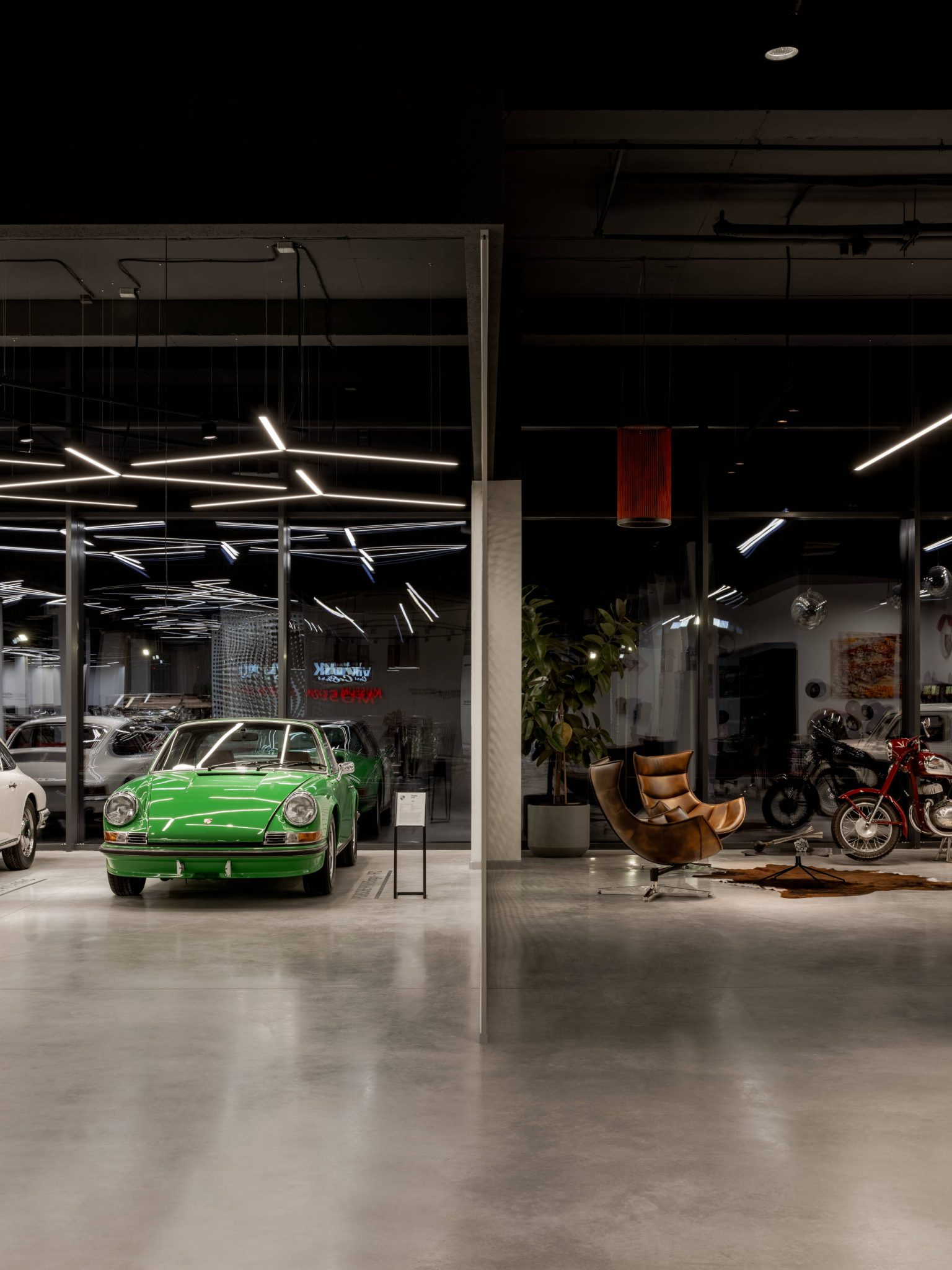
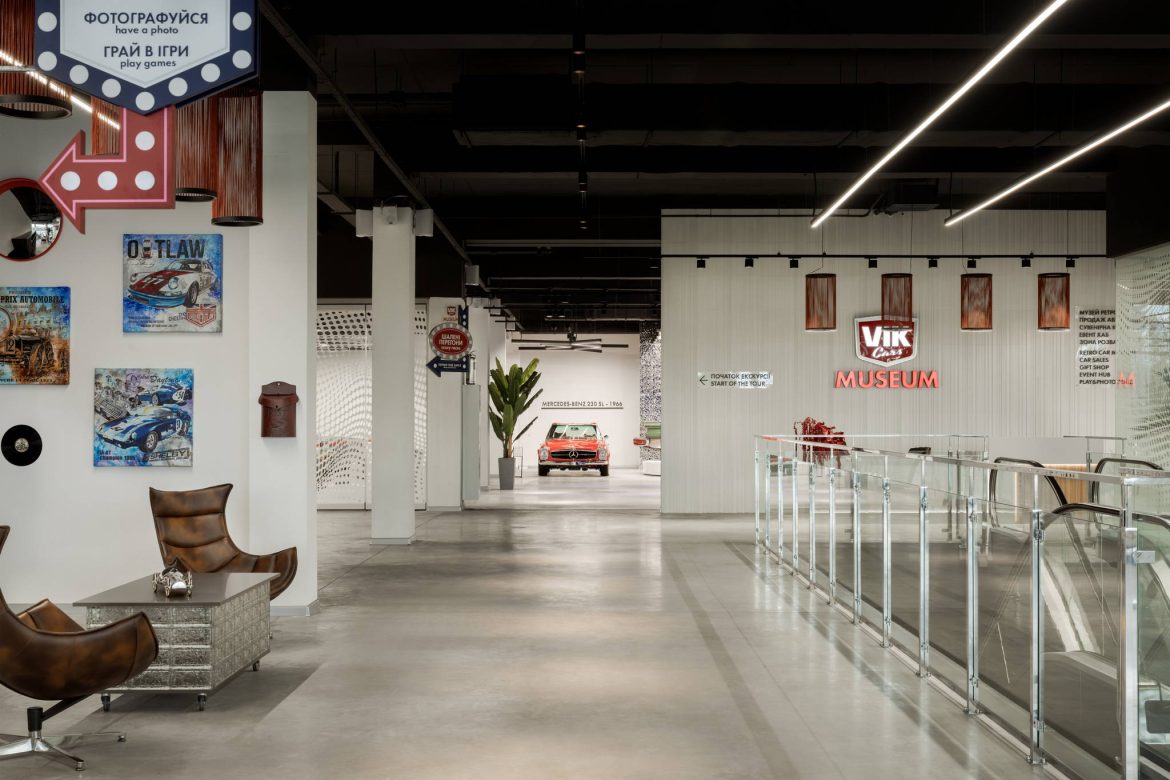
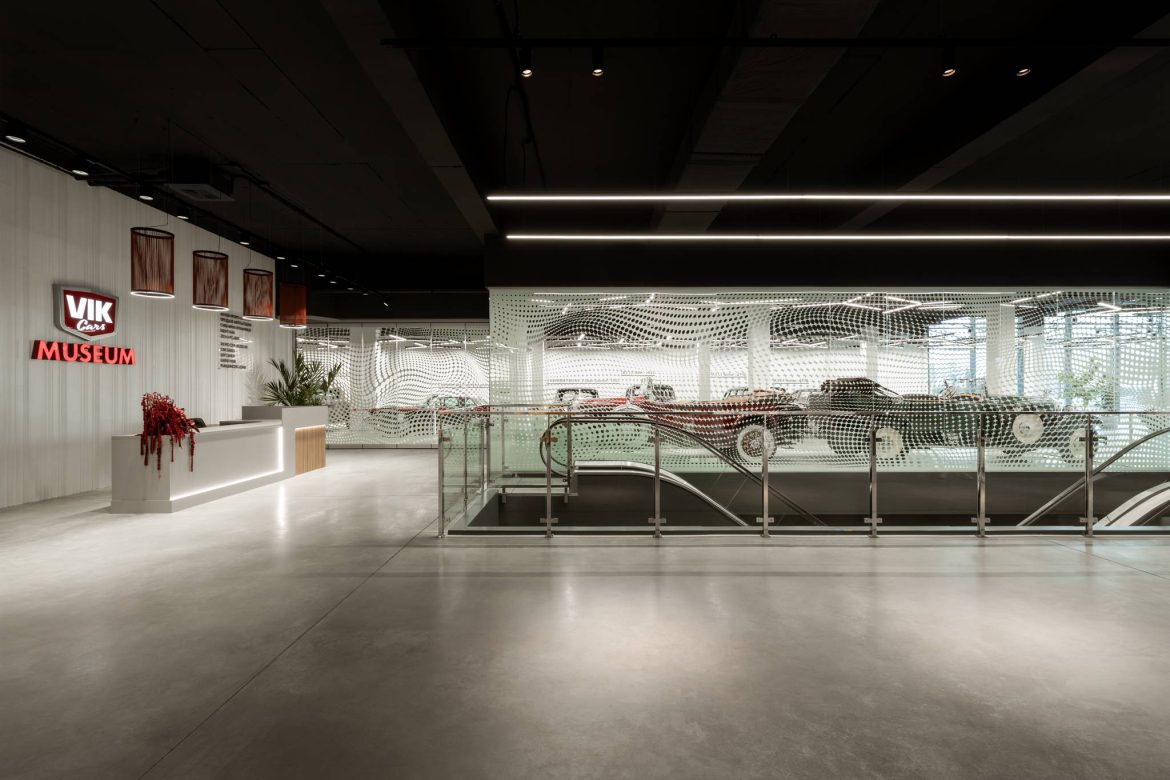
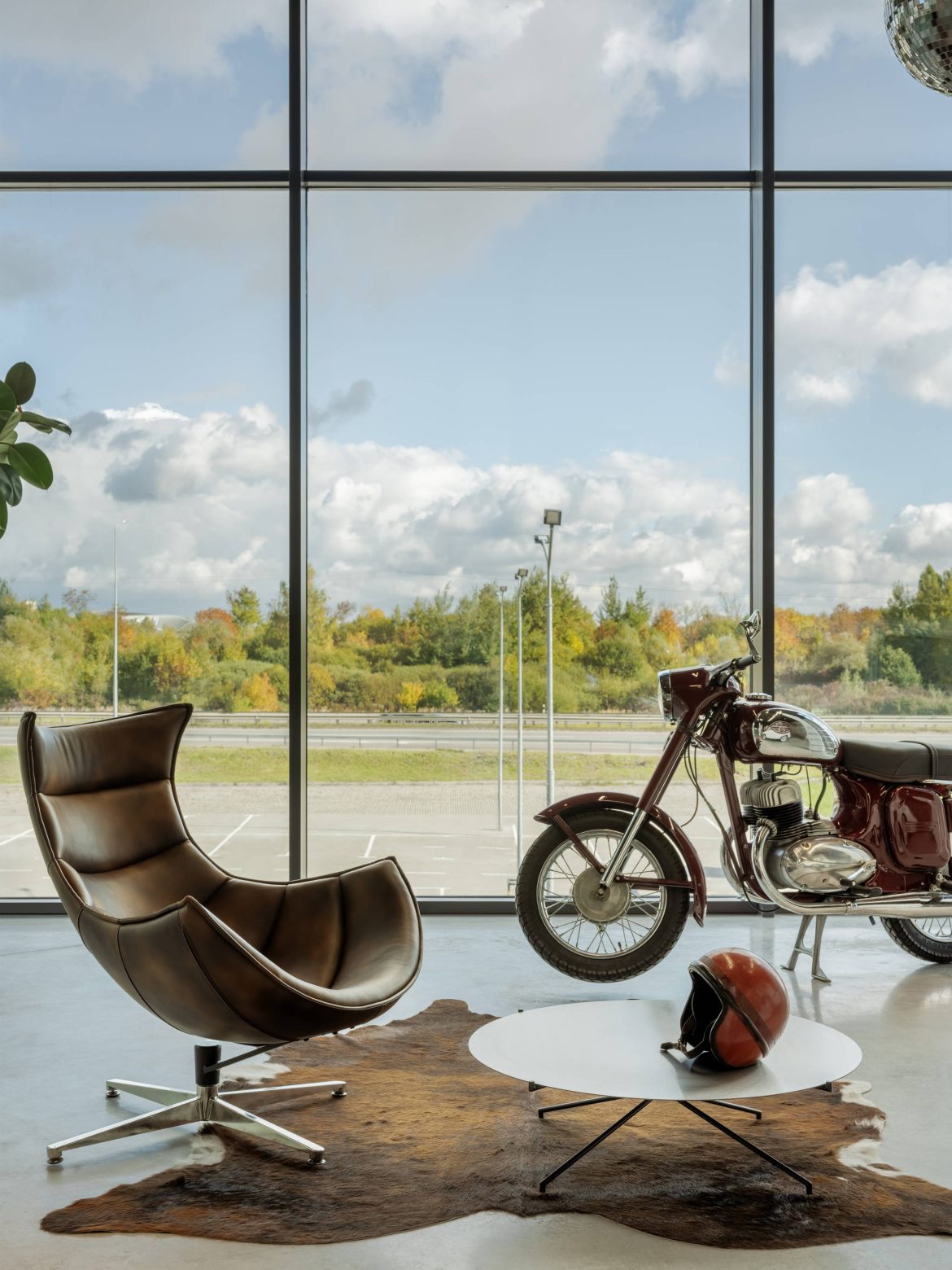
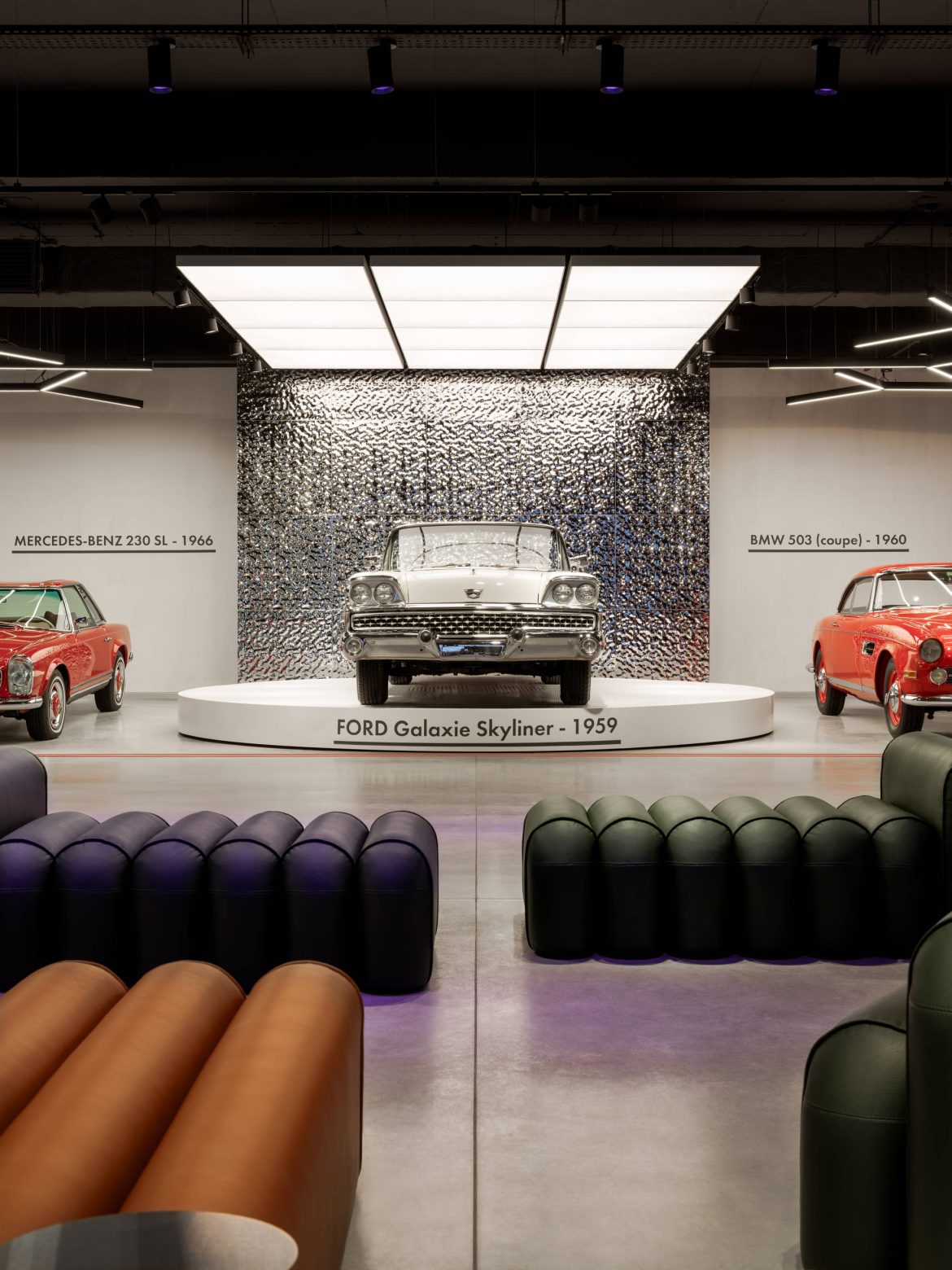
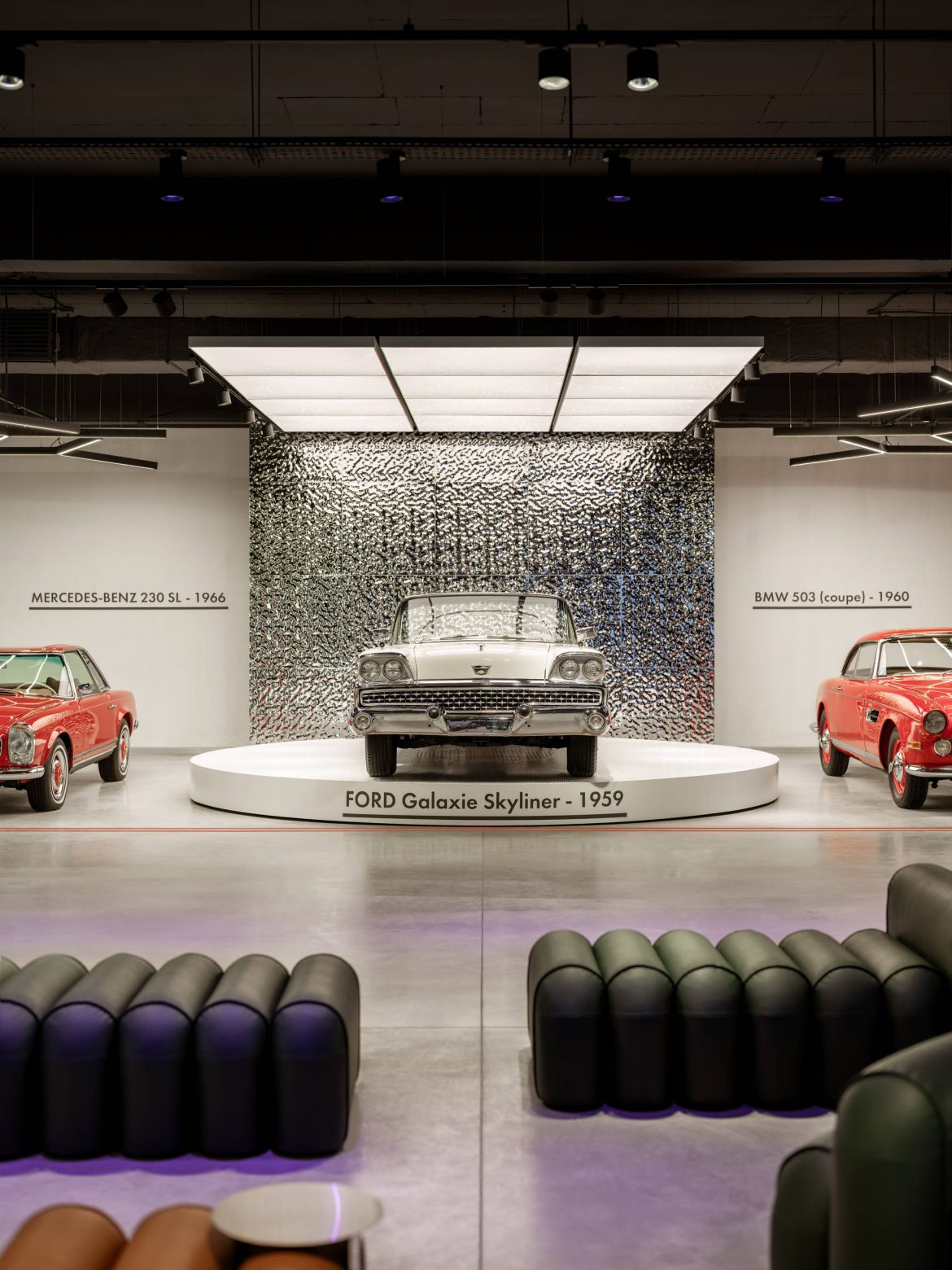
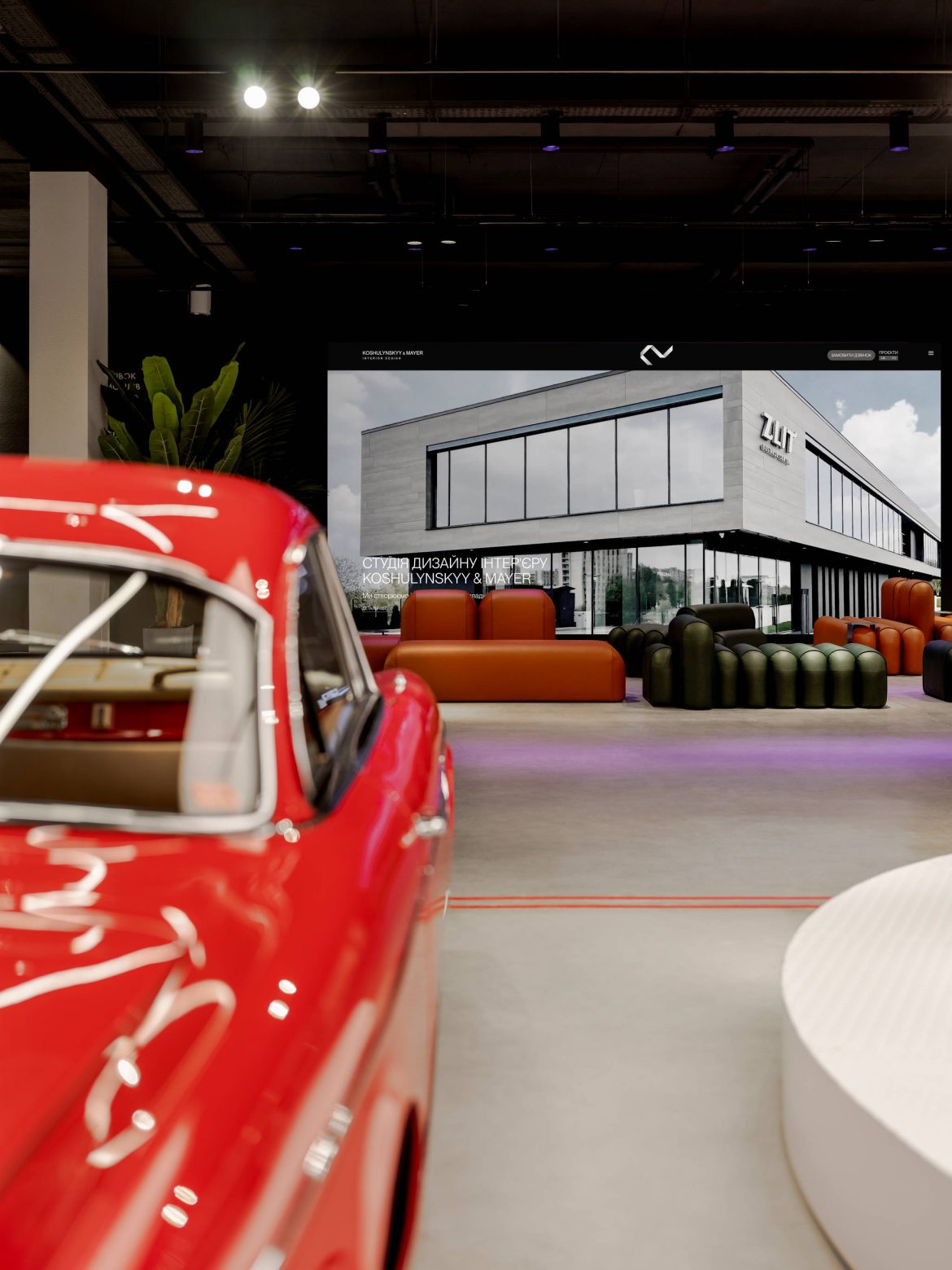
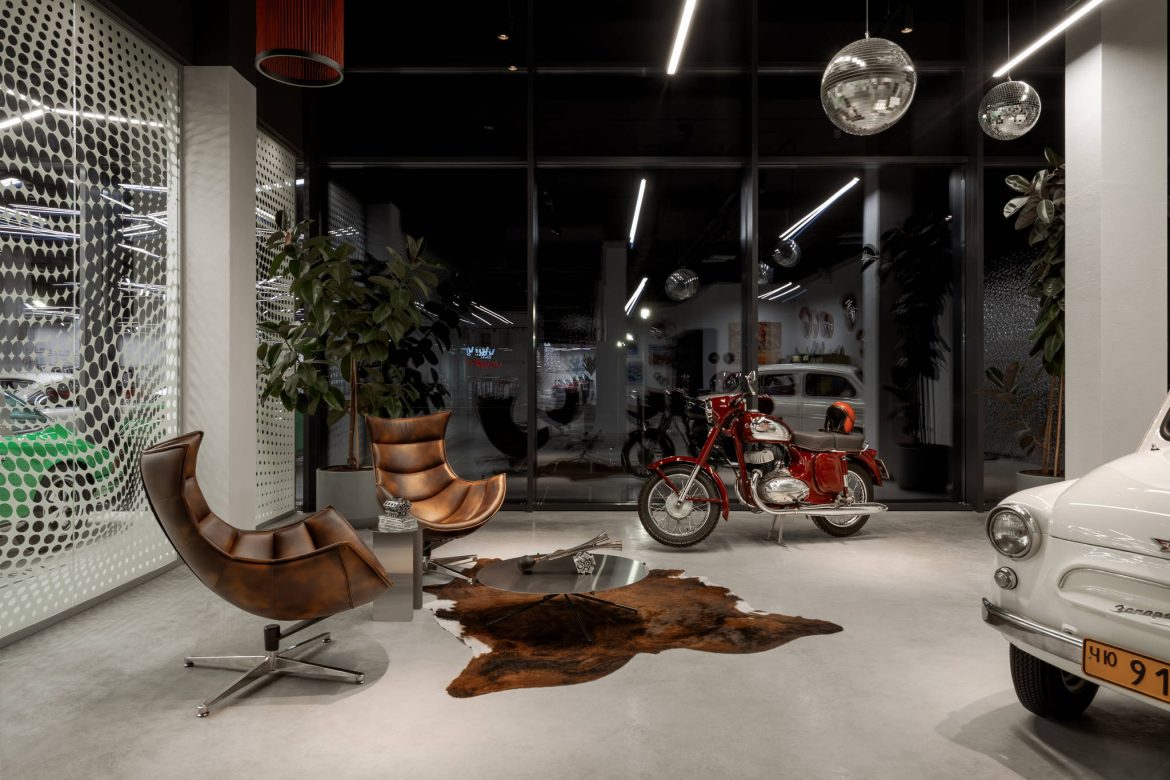
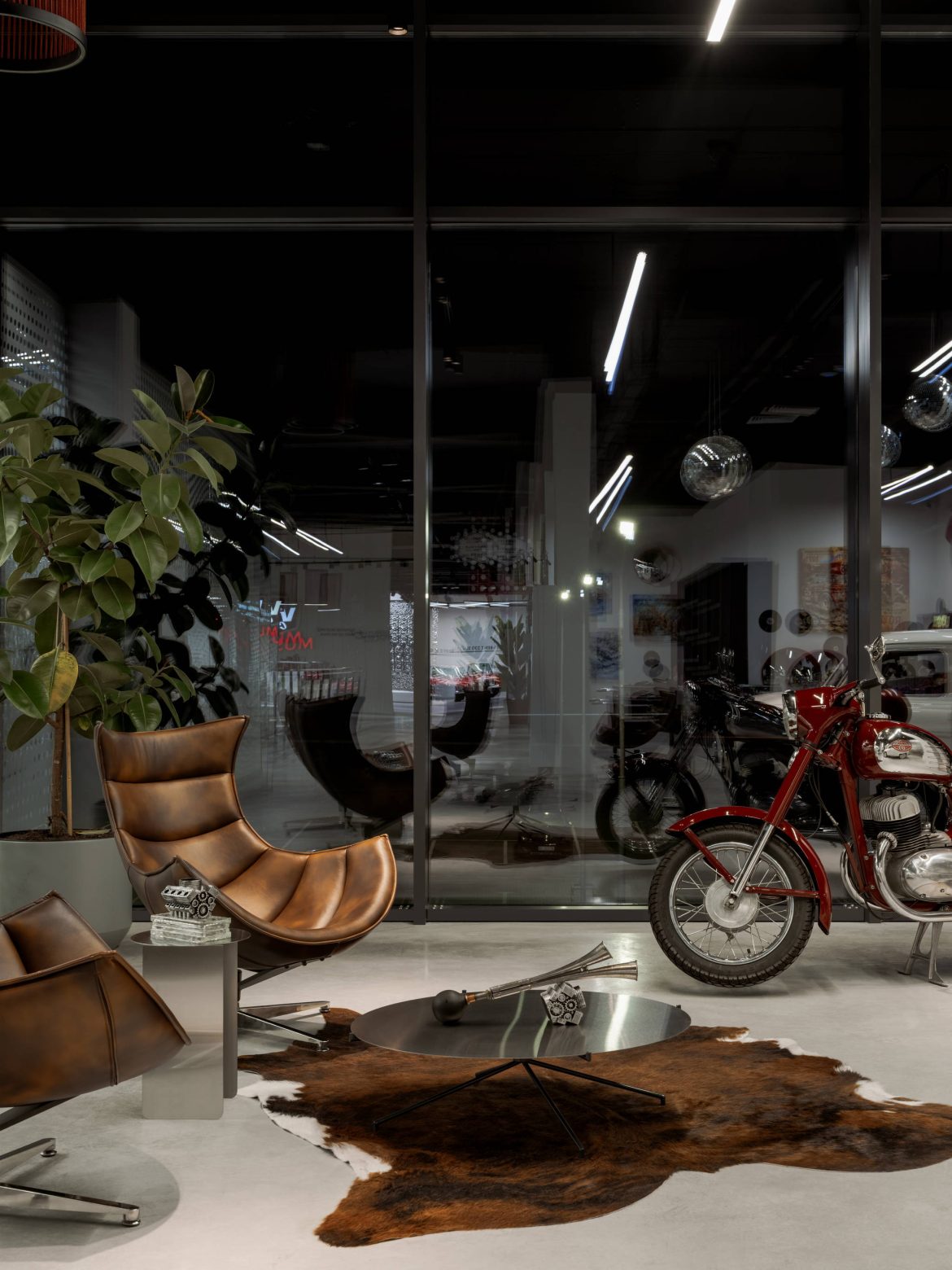
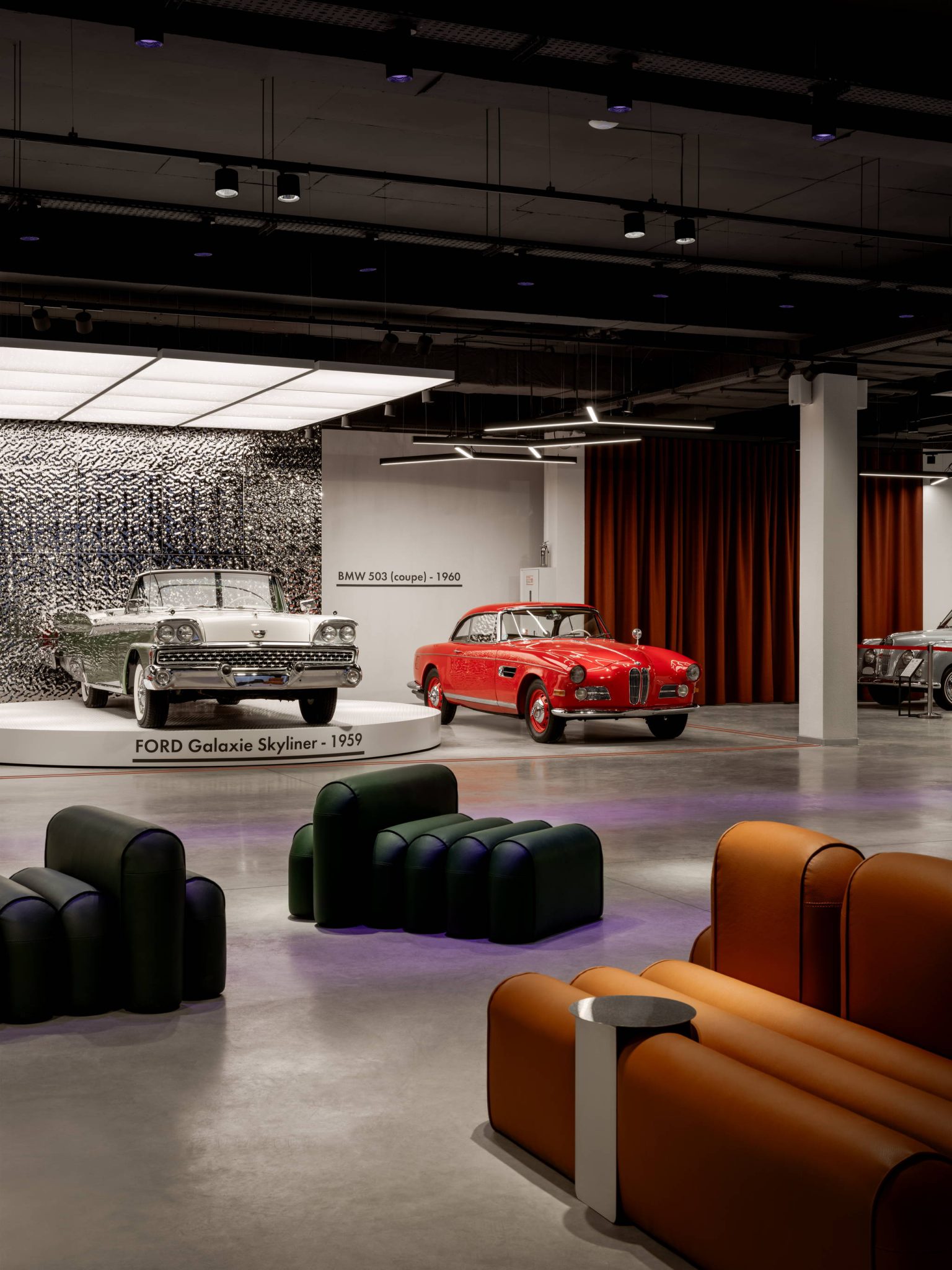
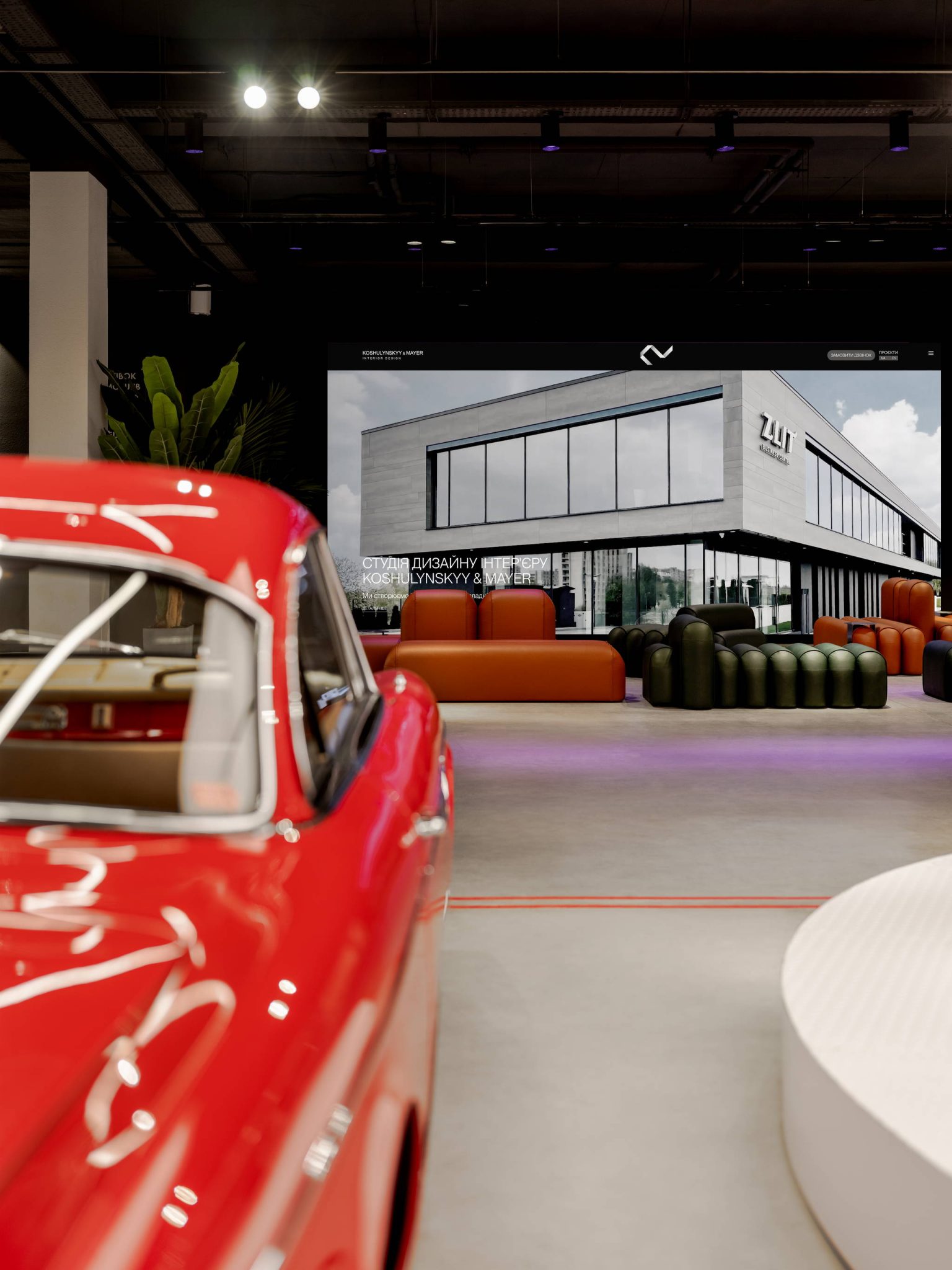
The space is zoned using glass partitions with op art prints, metal panels with a textured relief surface, and terracotta-colored textile curtains. In the lounge area, modular sofas upholstered in genuine leather with refined stitching reference the interiors of classic cars.
At the heart of the exhibition is a circular rotating platform with continuous, shadow-free lighting overhead. This is where new additions to the collection are presented, or the “car of the month” is showcased.

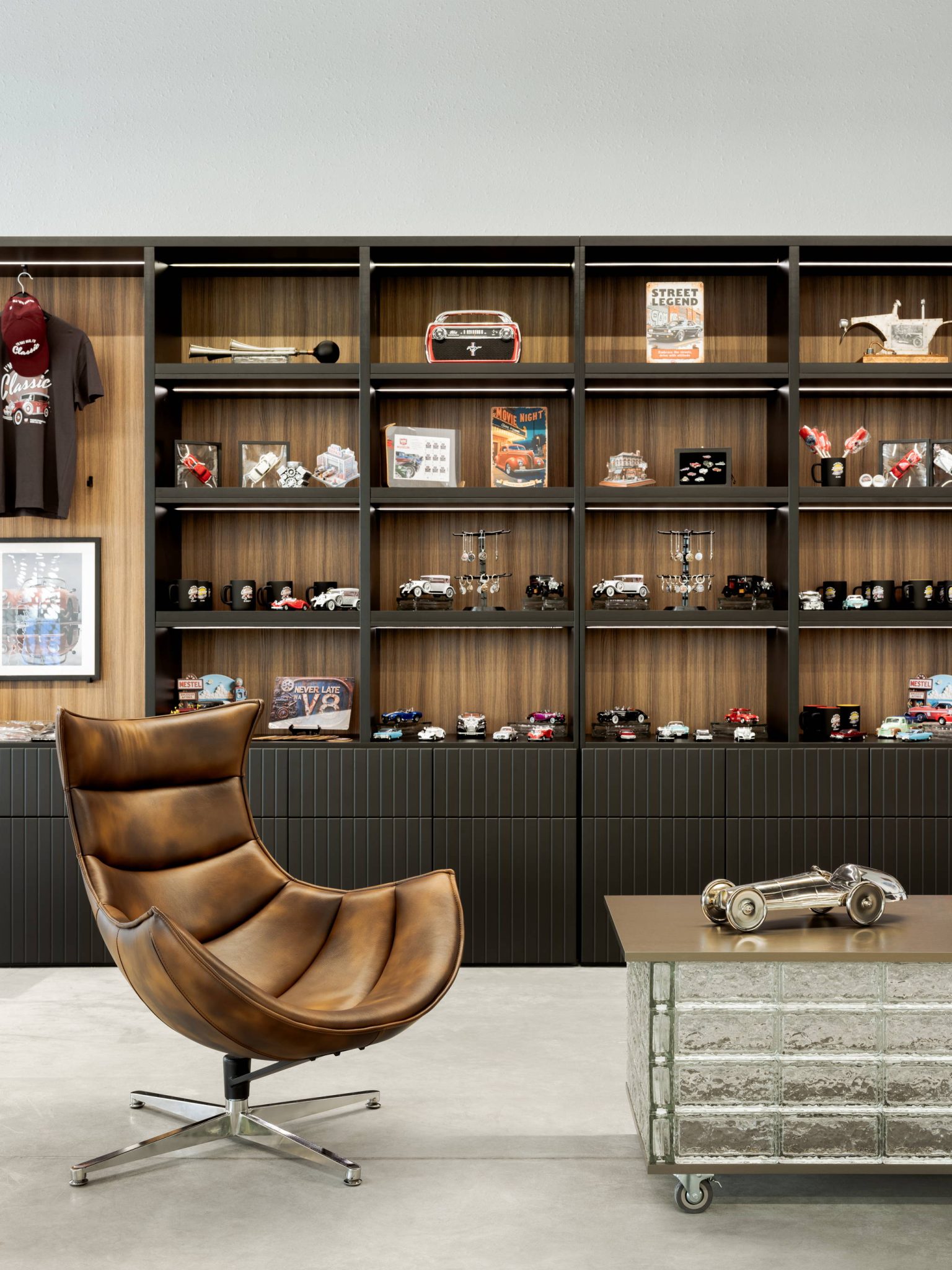
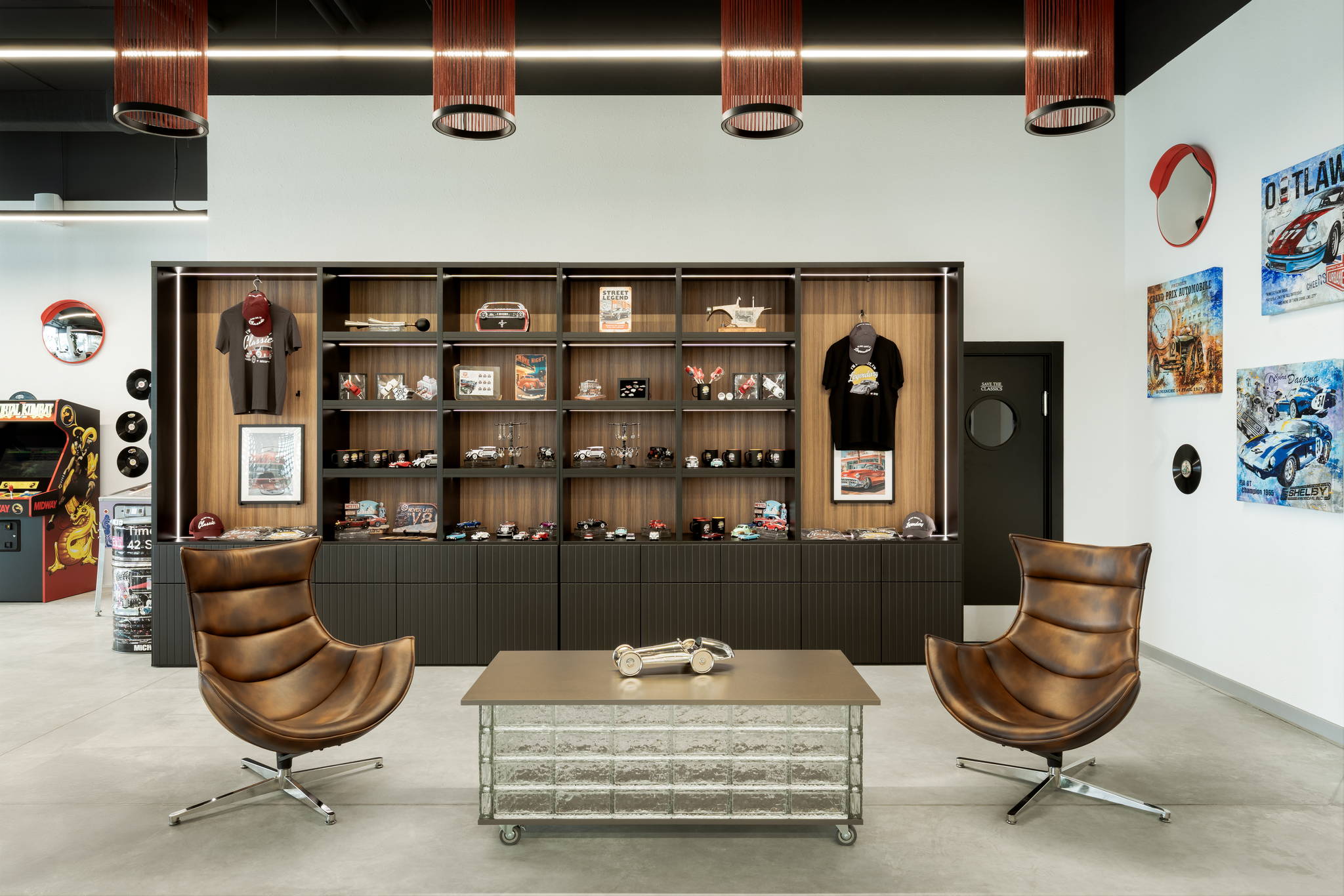
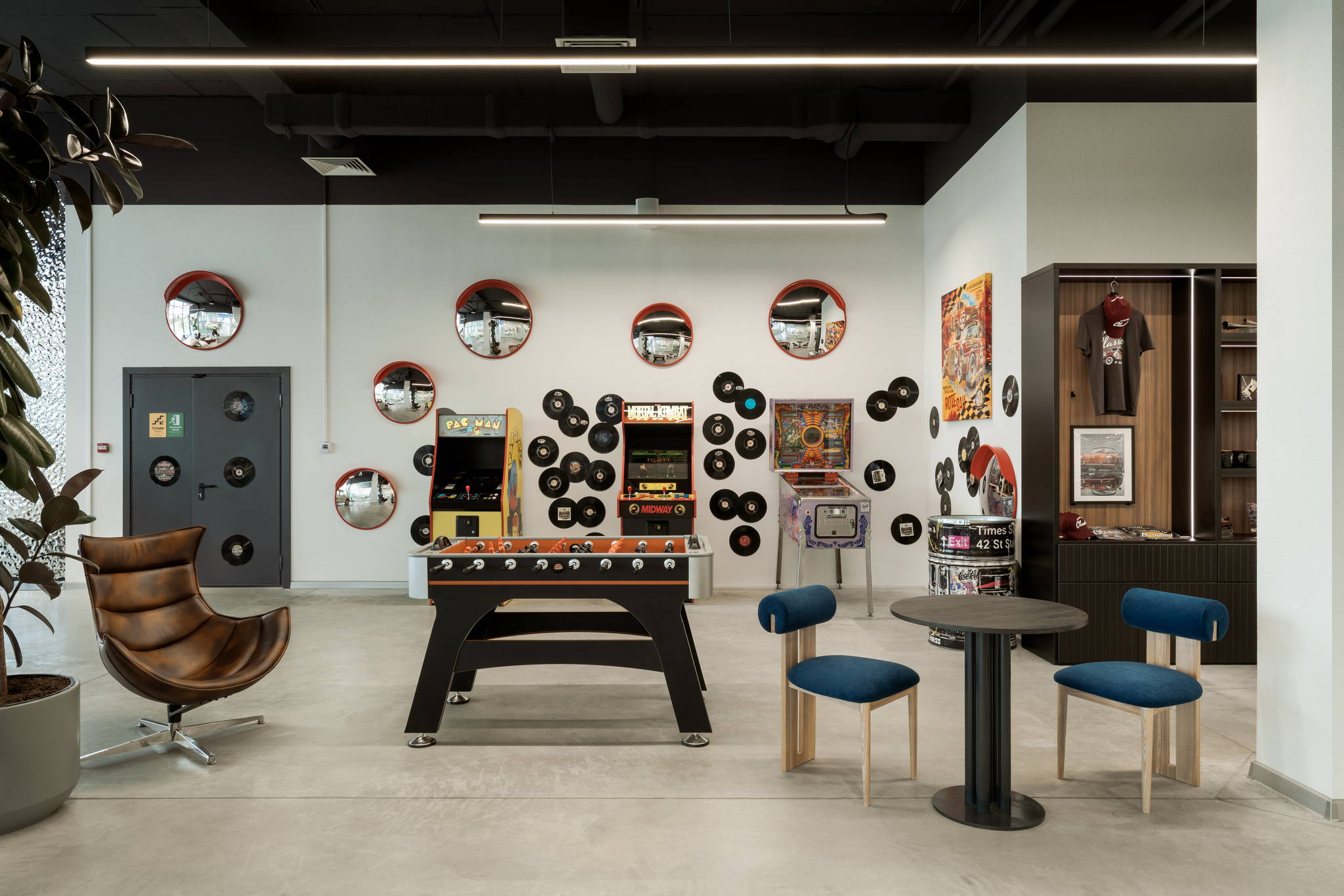
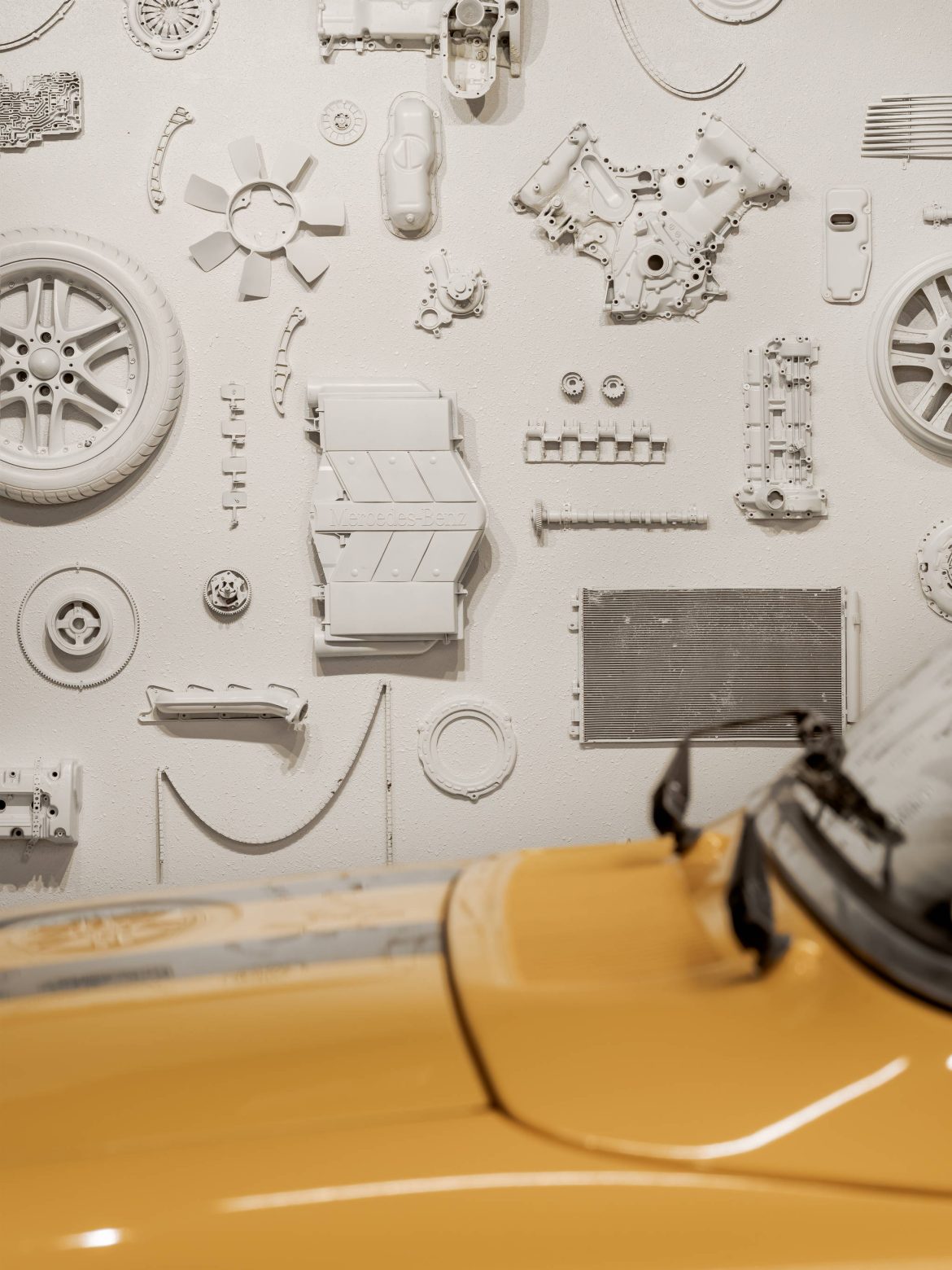
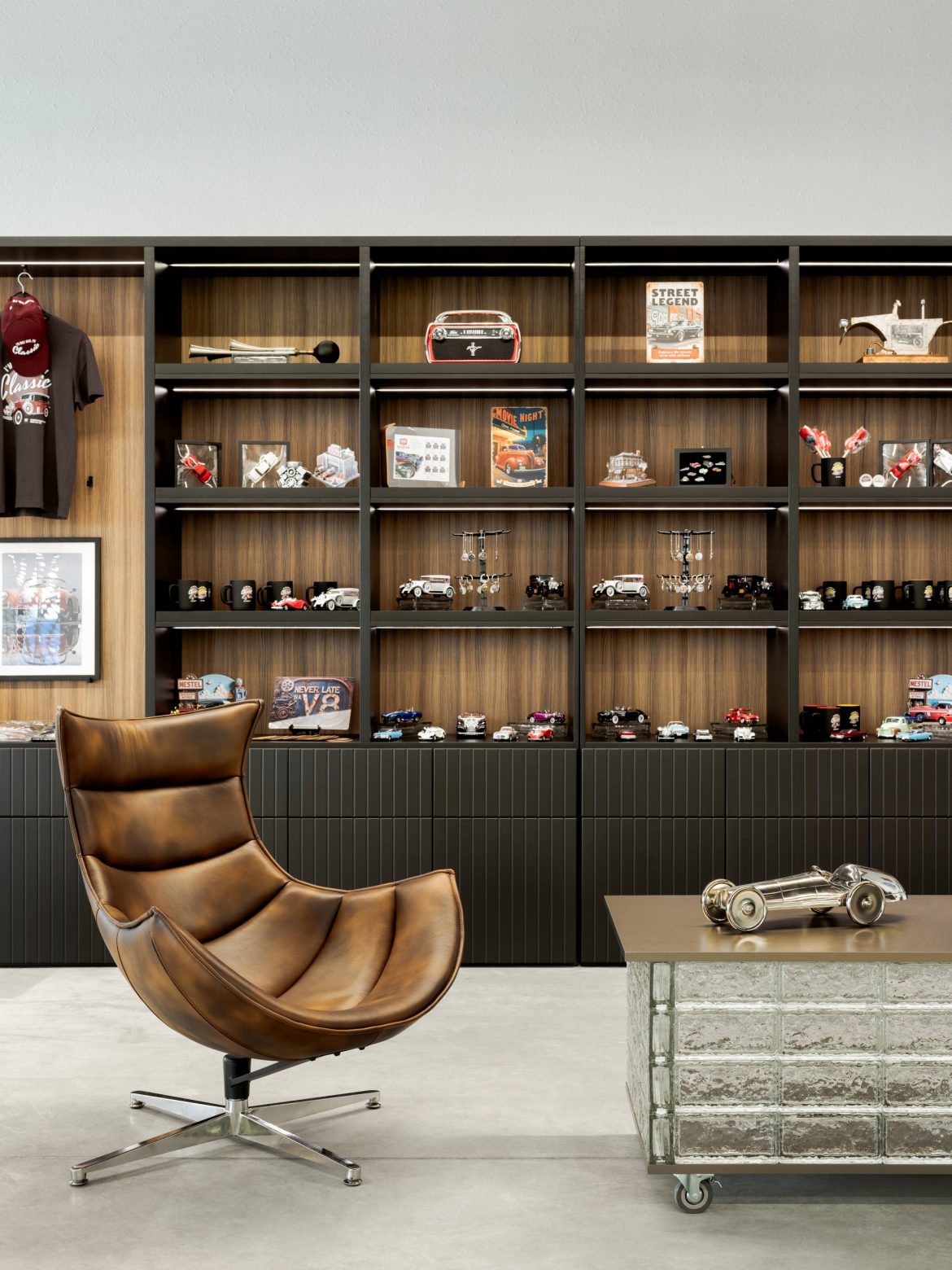
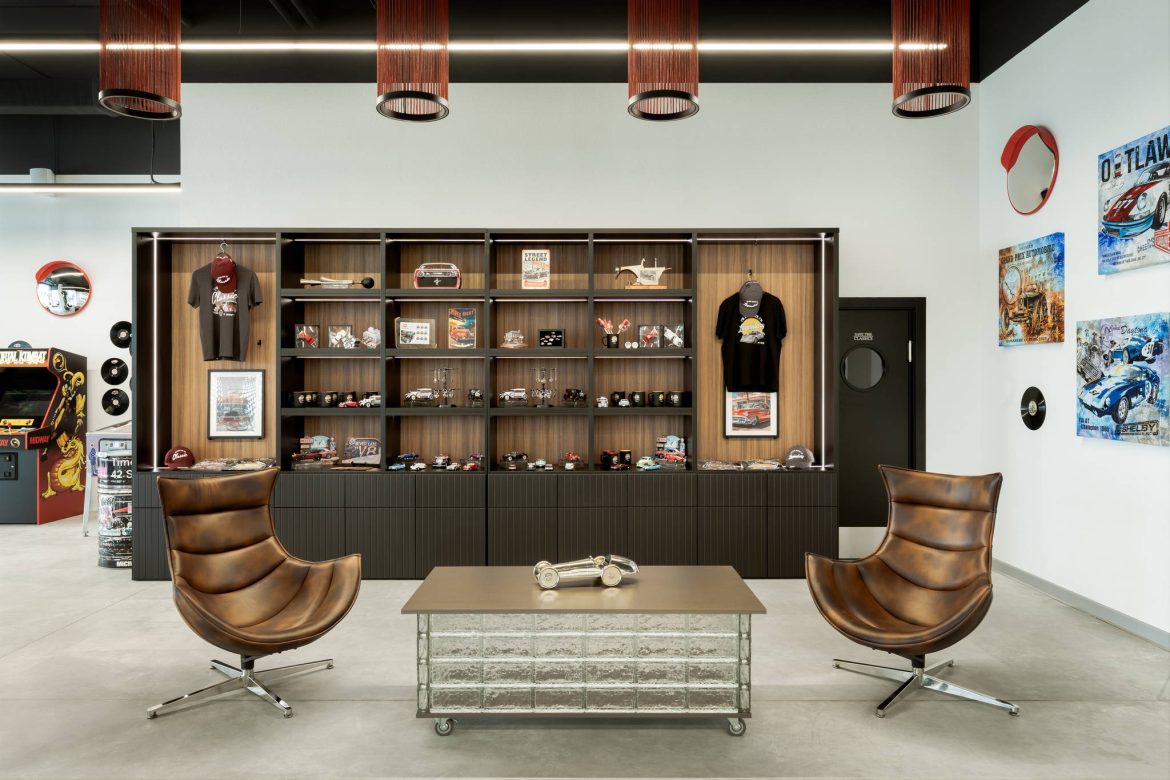
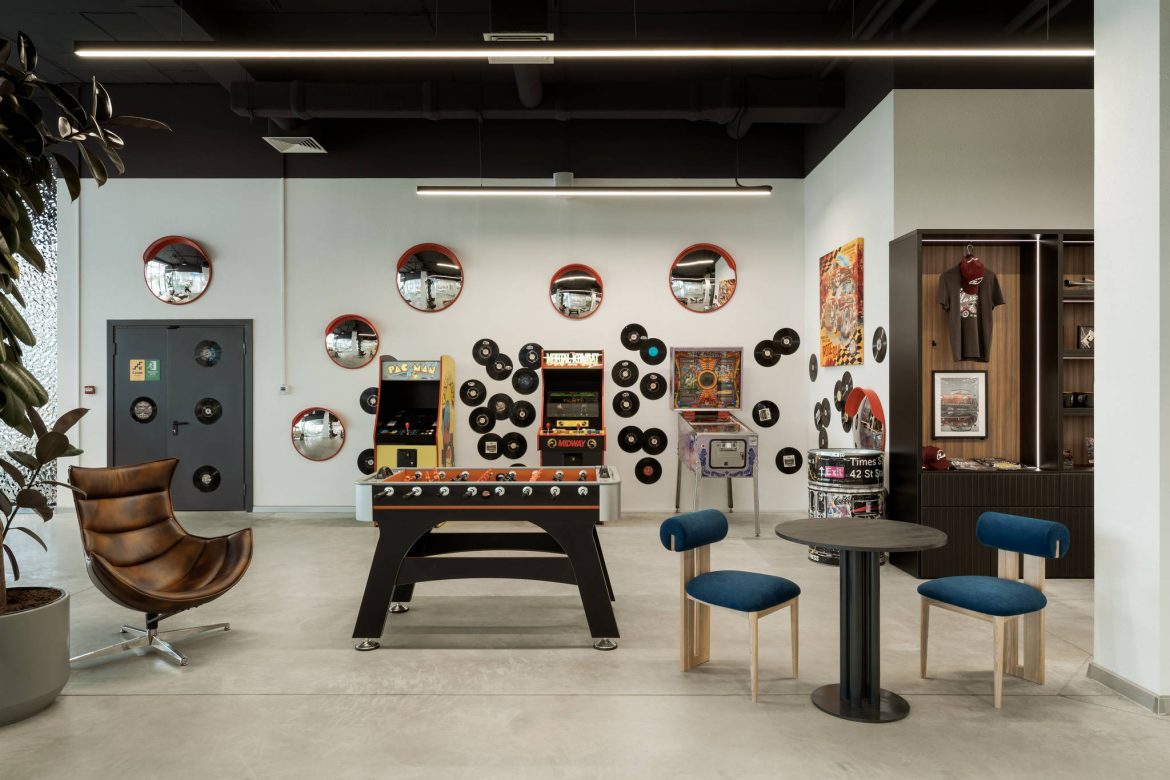
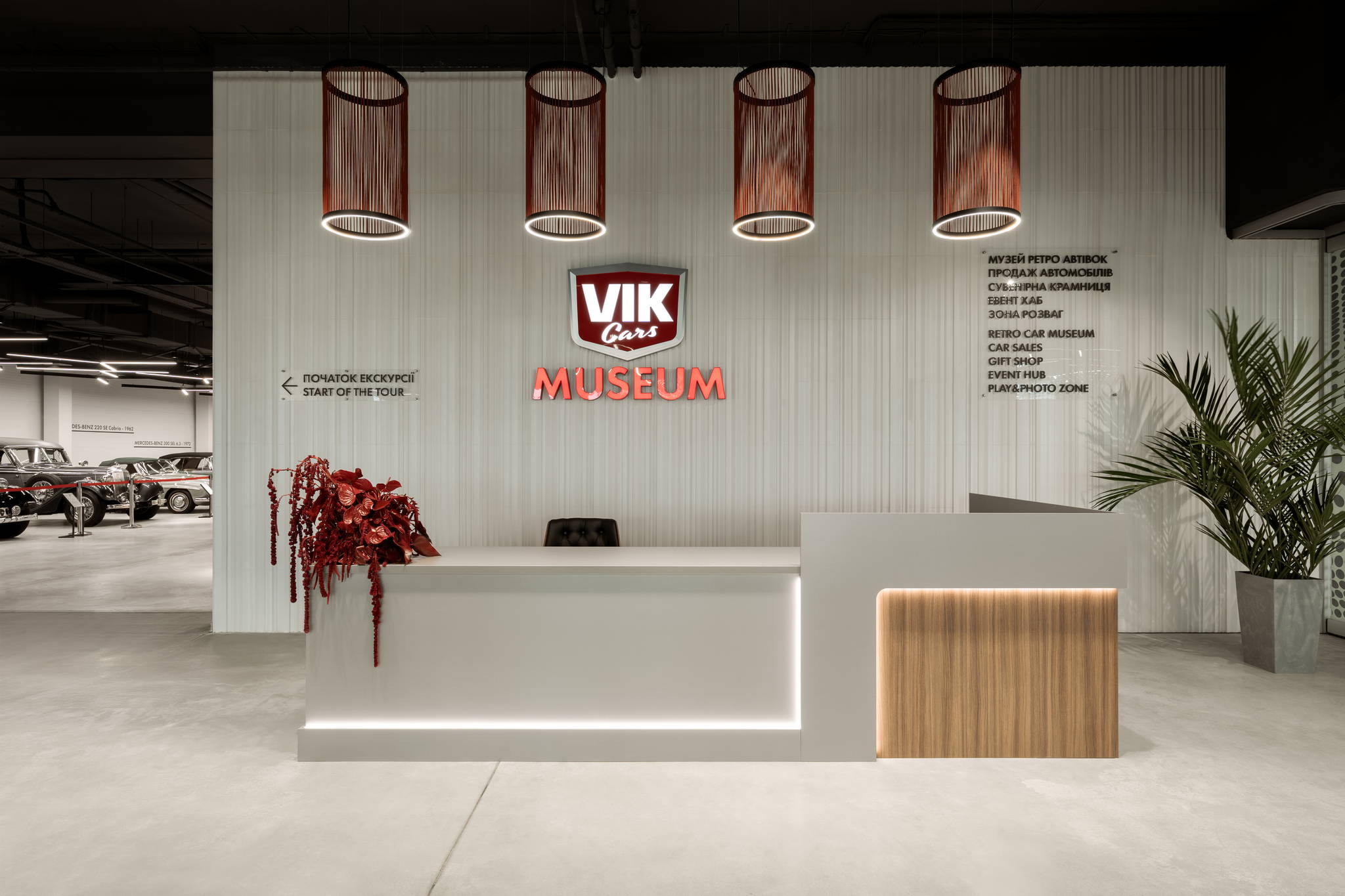
The minimalist white reception desk features a relief facade reminiscent of tire tracks on asphalt. A wall installation made from car parts serves as a photo backdrop, while the museum shop includes a custom table crafted from illuminated glass blocks. The chairs placed on either side have become a favorite spot for car bloggers who regularly visit the museum to shoot content. Vintage arcade machines and a vinyl record player further reinforce the museum’s retro atmosphere.
Designed as a self-sustaining business, the VIK Cars Museum also includes an event space equipped with a large LED screen. It hosts meetings of Lviv-based business clubs, presentations, and fashion shows, and the museum is available for private rentals and photo shoots.
“Working on this project gave me a deep appreciation for the craftsmanship of car designers from the past,” Karina Mayer concludes. “They created their models with such care and passion that these vehicles became true works of art – objects of desire worthy of being displayed in museums.”