Project name: Gary Tatintsian Gallery
Interior design: MAST Architects
Location: Dubai
Photo: MAST Architects
Area: 330m2
Year: 2026
Project description from design firms
Gary Tatintsian Gallery is a private art institution focused on presenting exhibitions by prominent figures of the international art scene. The gallery works with internationally recognized contemporary artists whose works are held in leading museum collections worldwide. It also continues to build and shape significant private collections. The Dubai space became the second location of the gallery, following its original base in New-York, Moscow. The new branch extends the gallery’s presence into an international context while maintaining its curatorial approach and standards. The program includes exhibitions of contemporary art across different media: from painting and sculpture to conceptual and installation-based works.
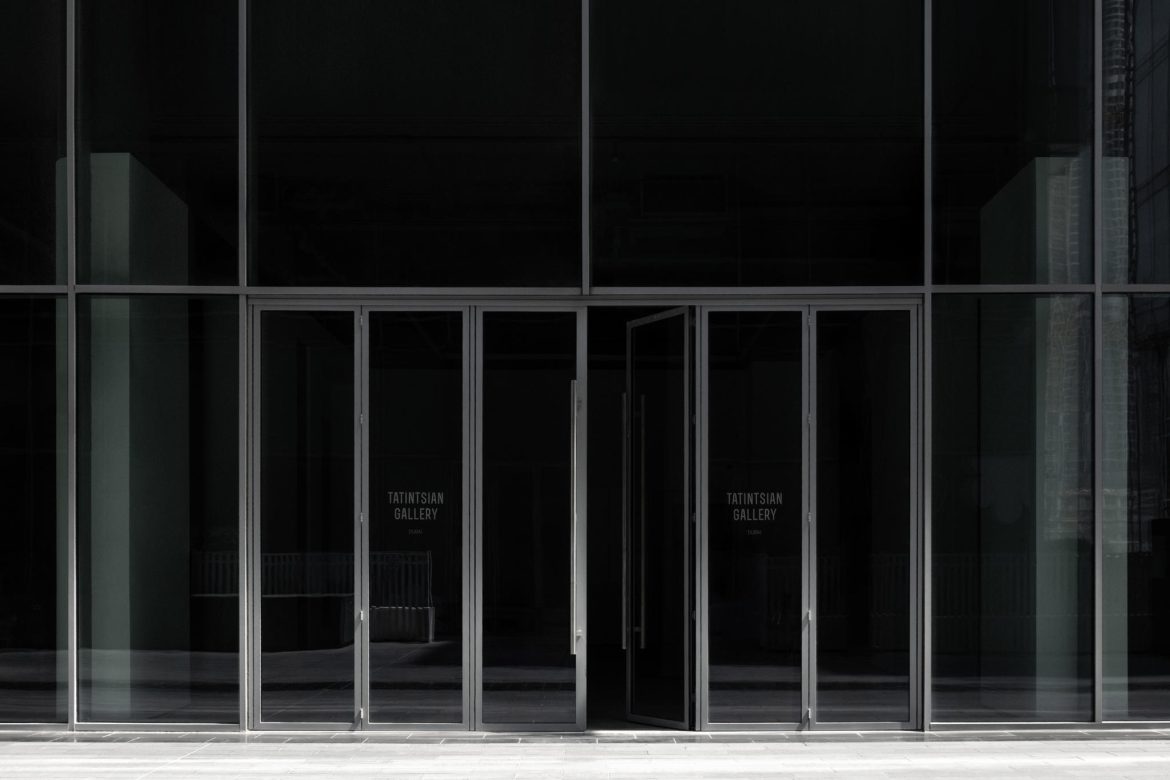
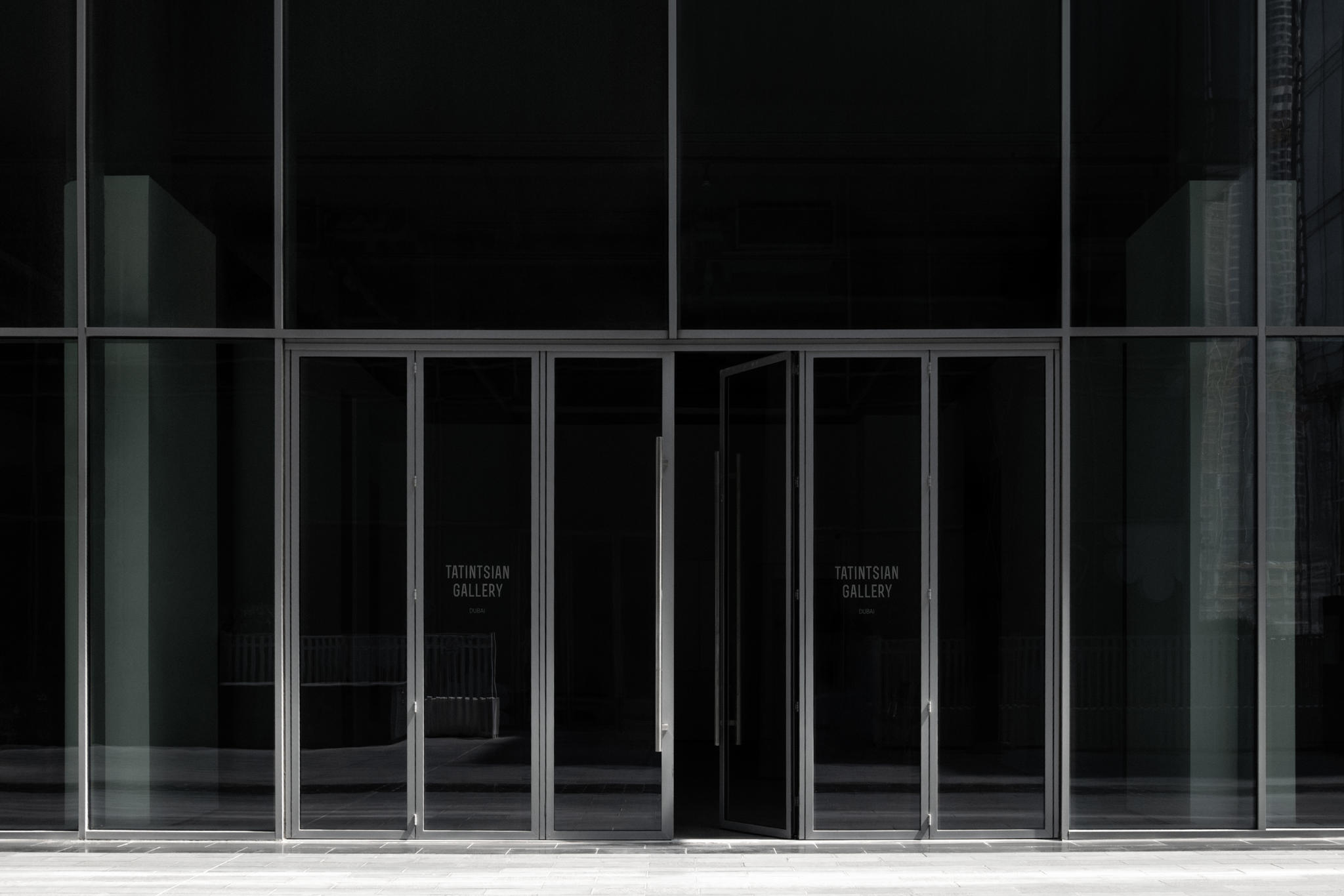
The gallery is located in Dubai, in the Design District, Building 3, Za’abeel 2. This area has become a key cultural cluster in the city, bringing together galleries, studios, and creative industries. The space sits within an active urban fabric but remains internally focused. Its position allows both visibility and controlled interaction with the outside. The façade initially had a large number of openings, which influenced early design decisions. The final approach balances openness with the requirements of exhibition spaces.
ARTISTS & WORKS
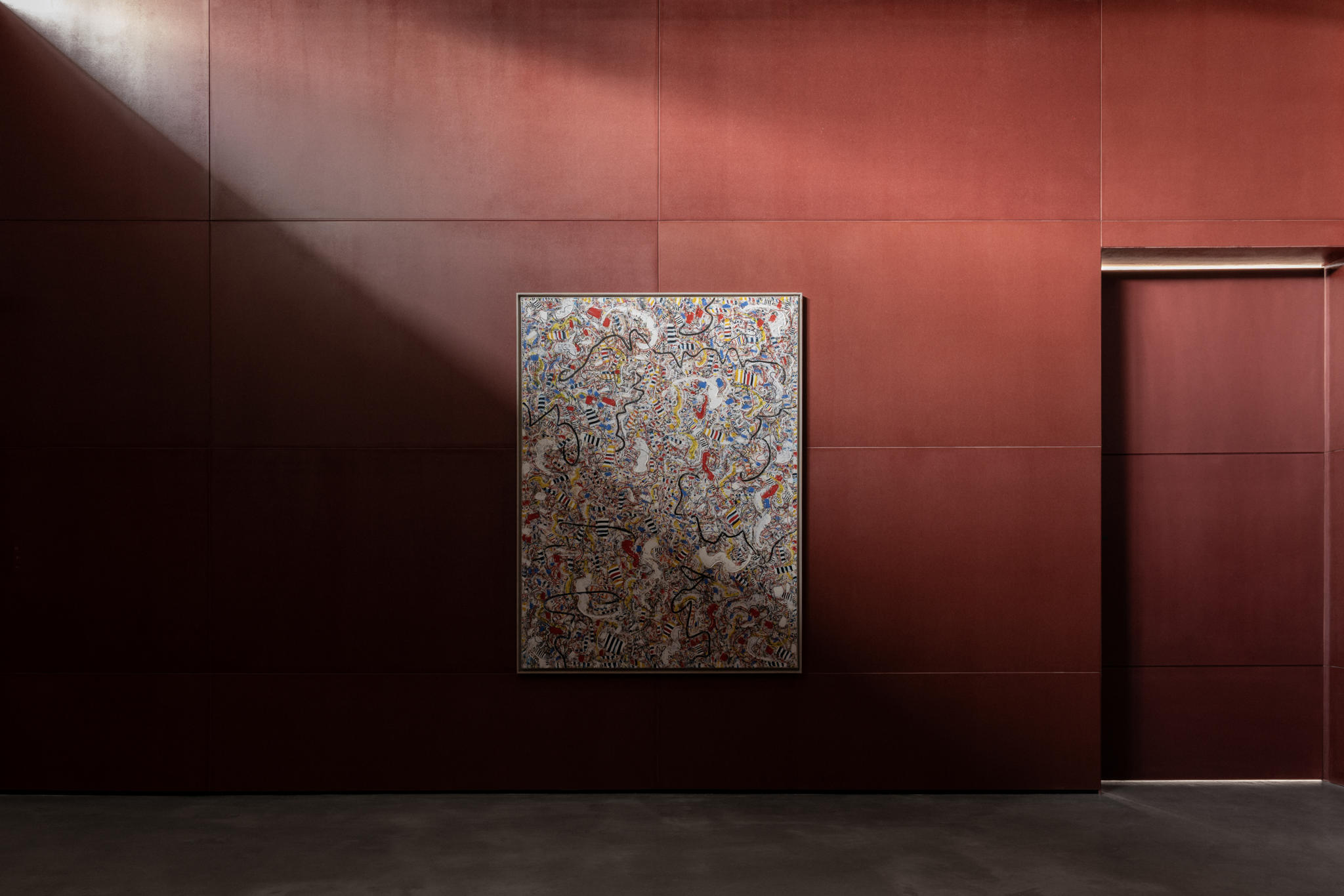
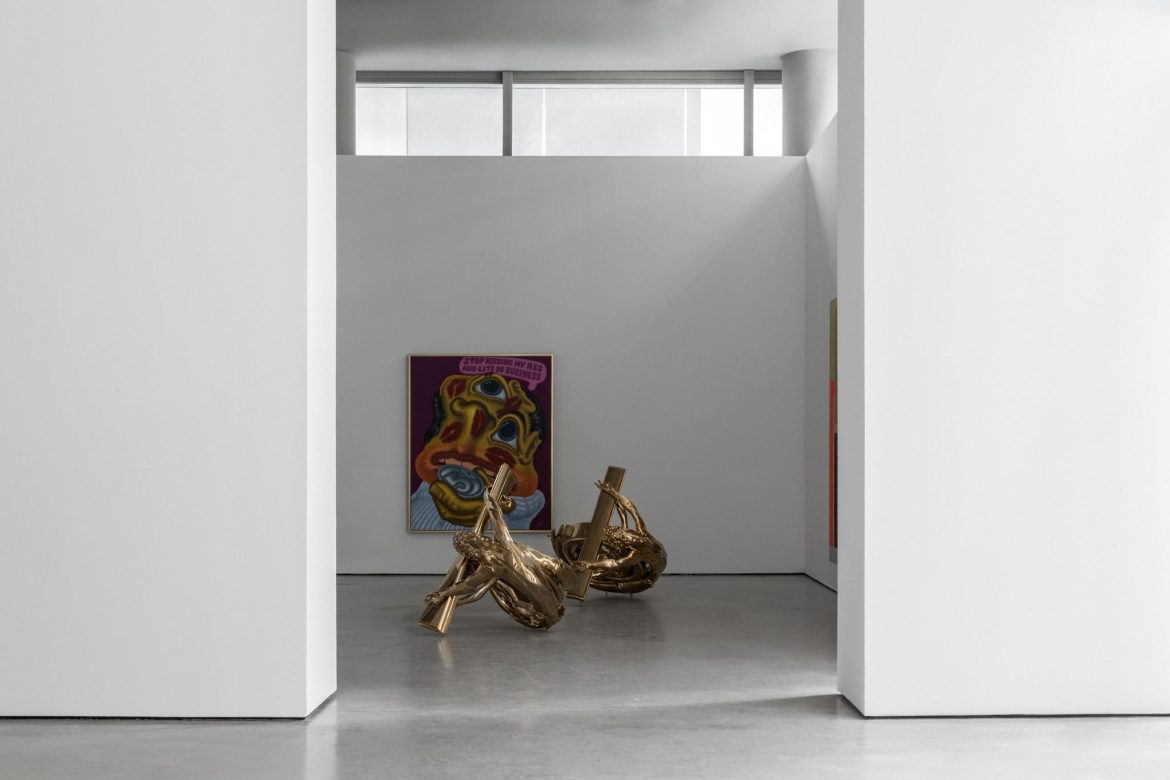
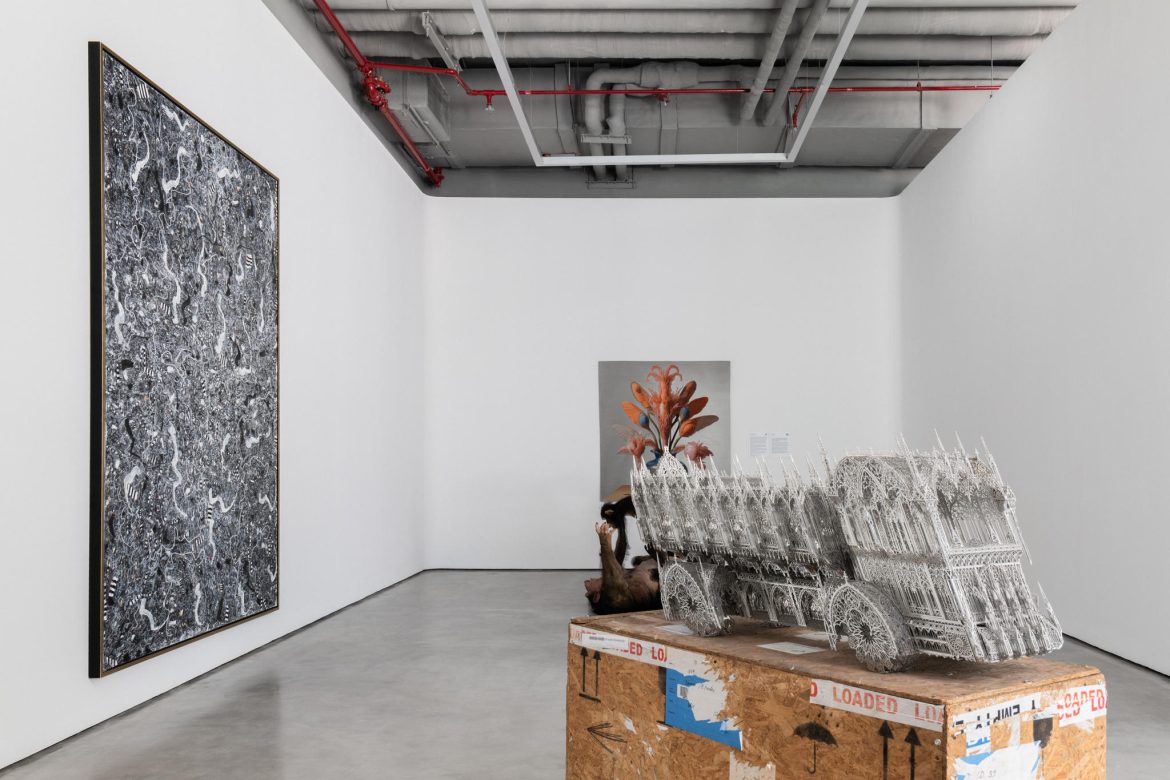
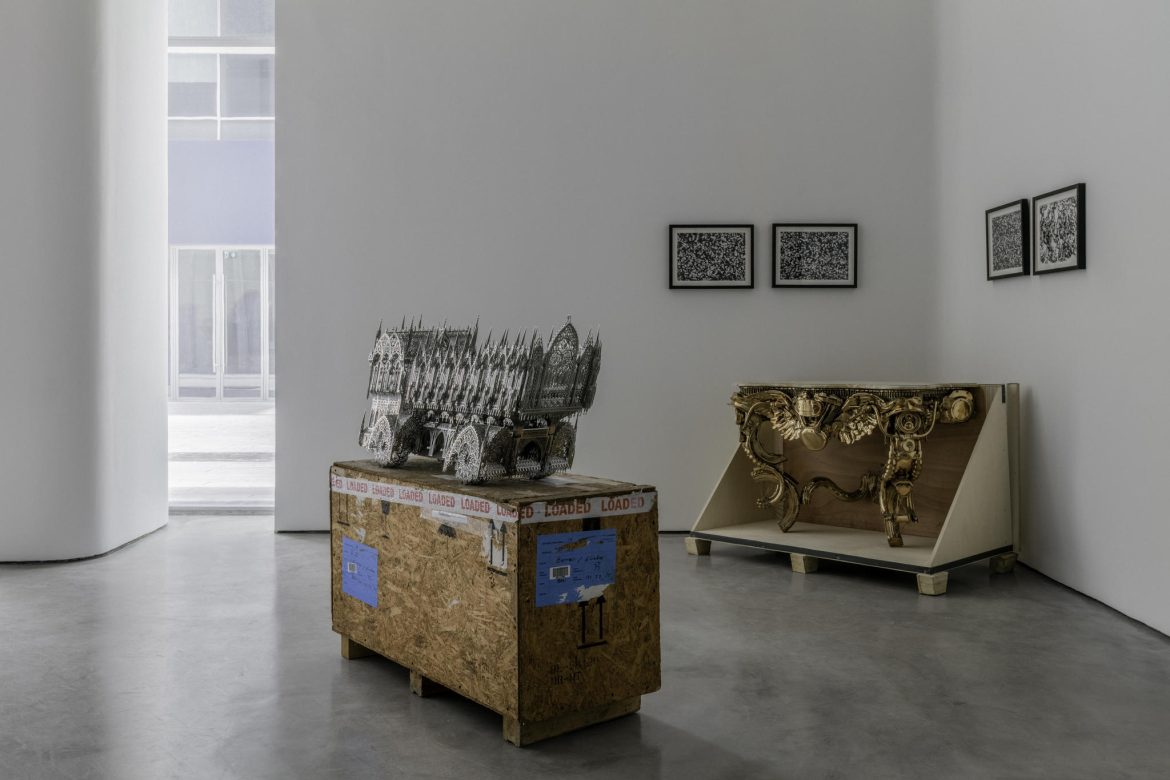
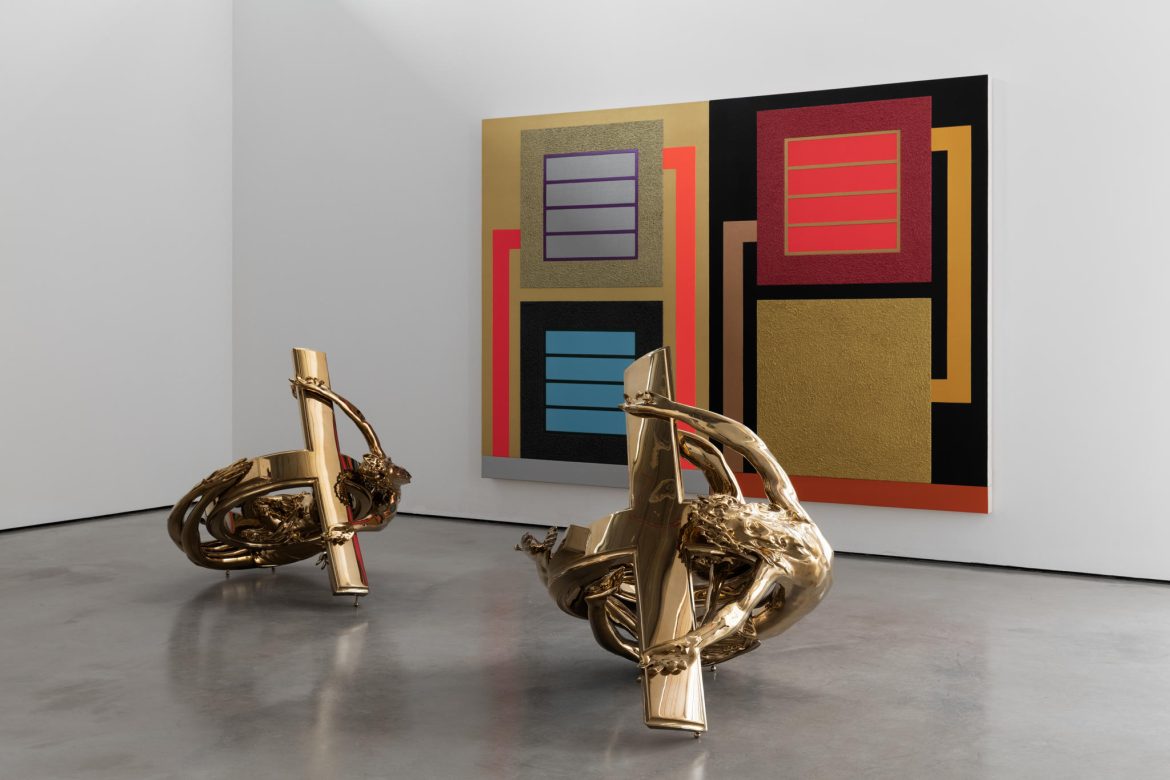
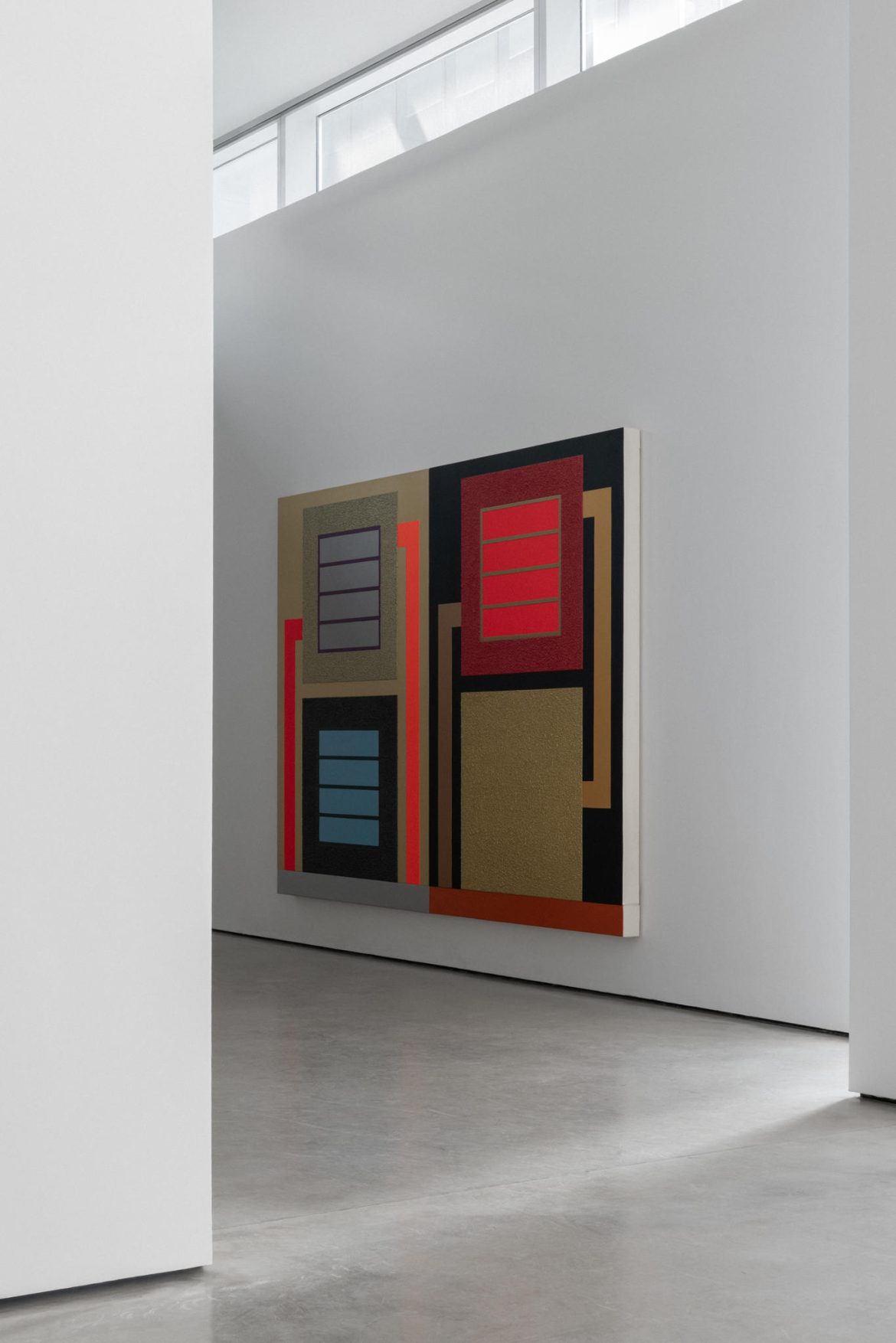
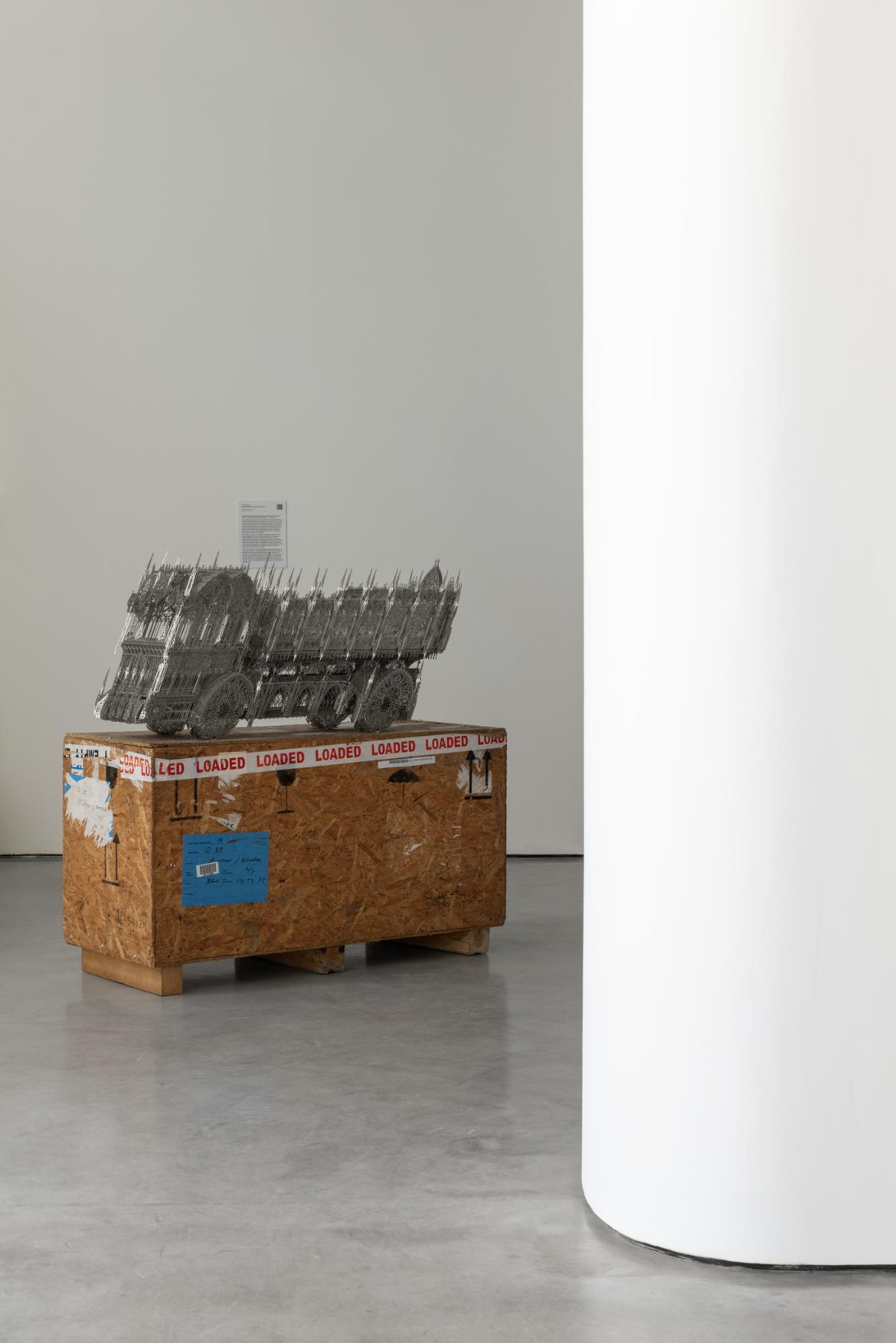
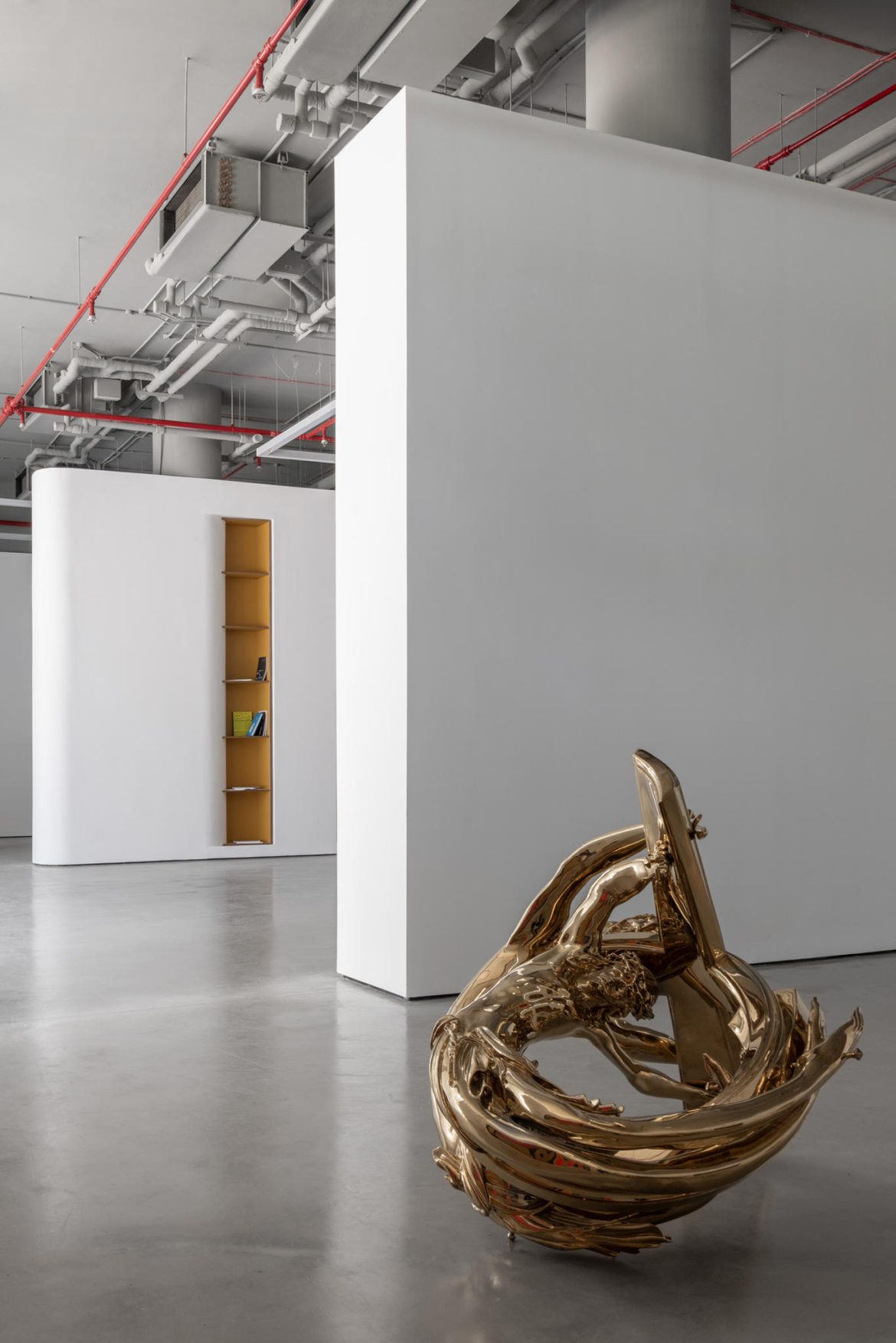
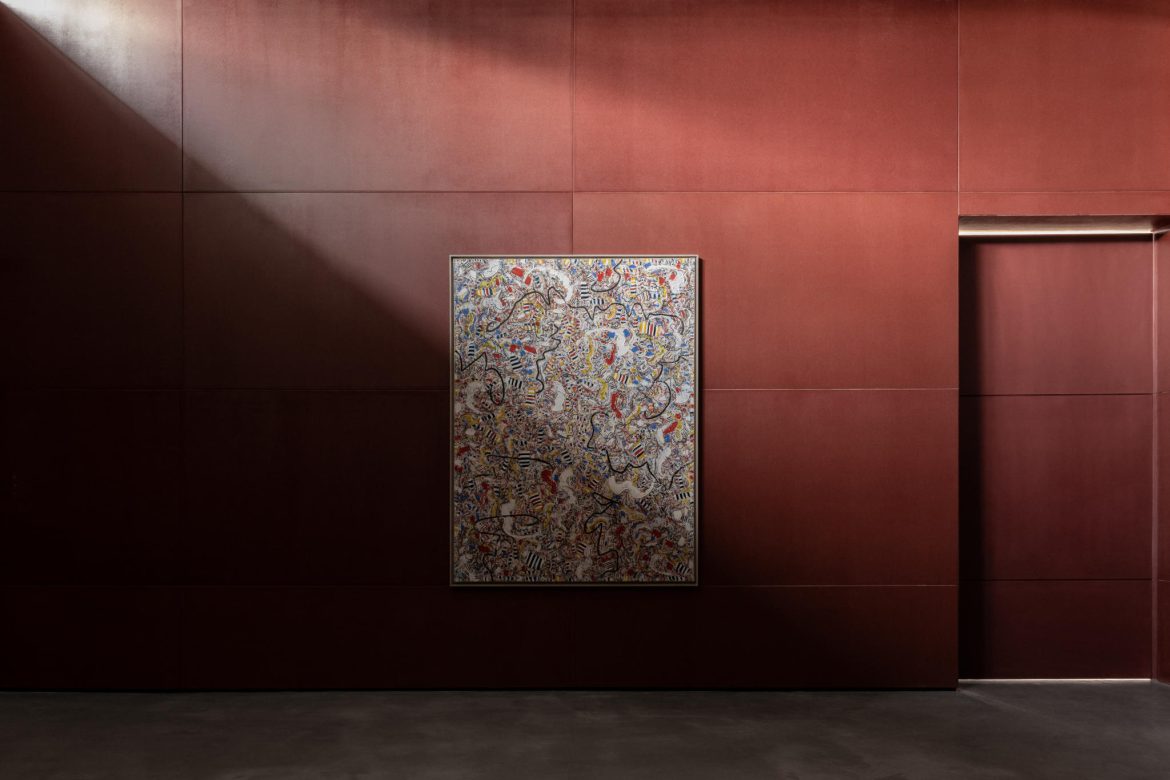
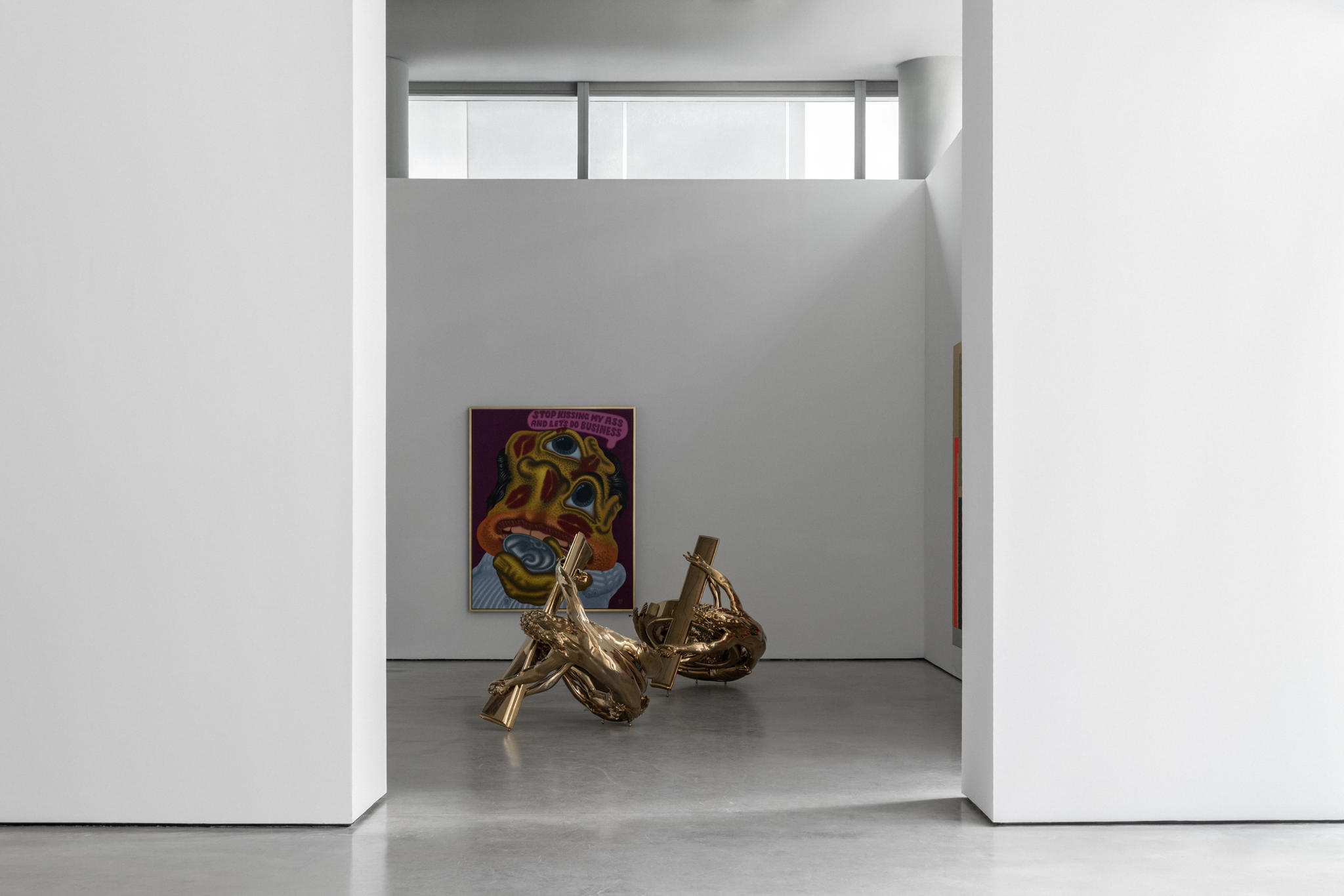
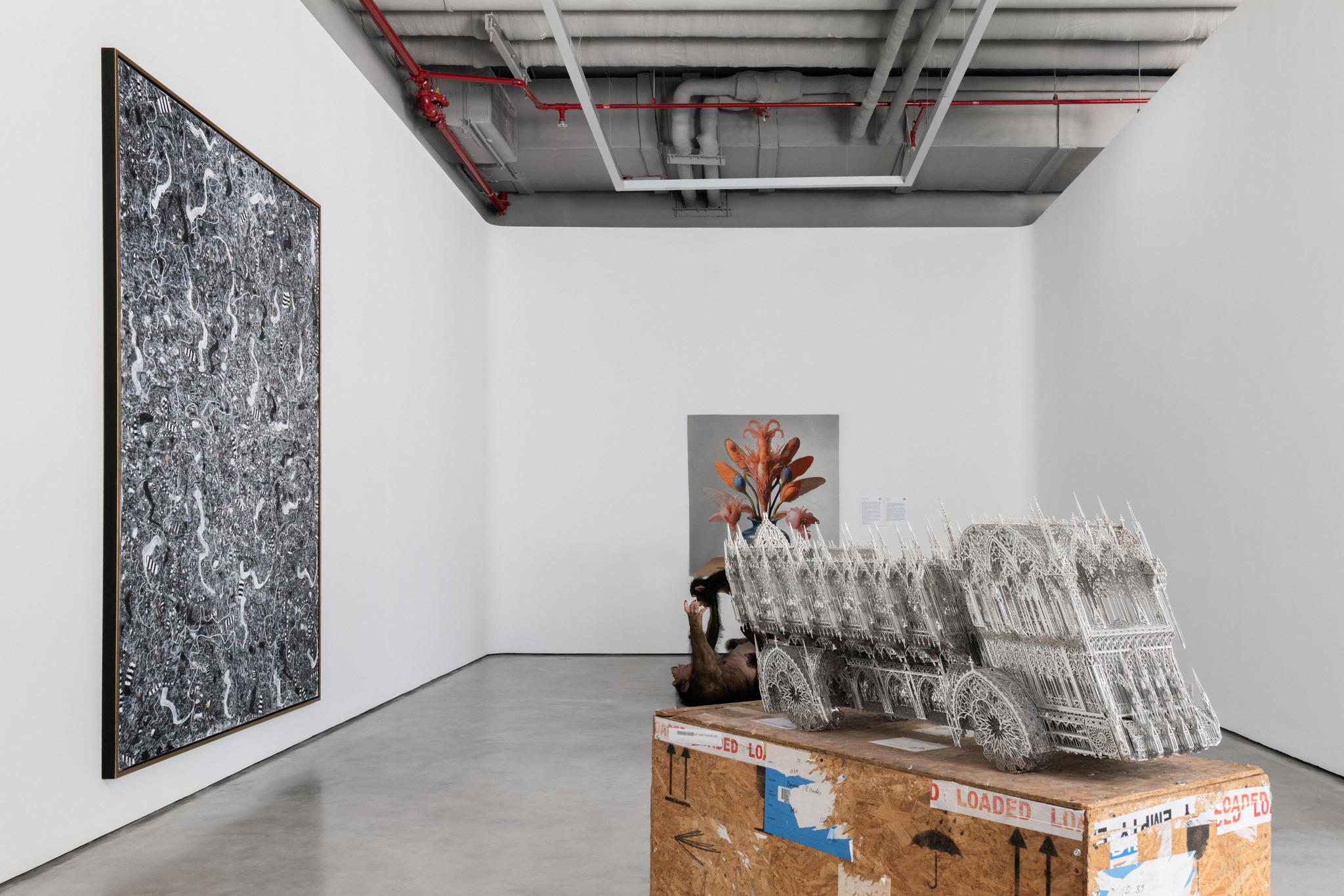
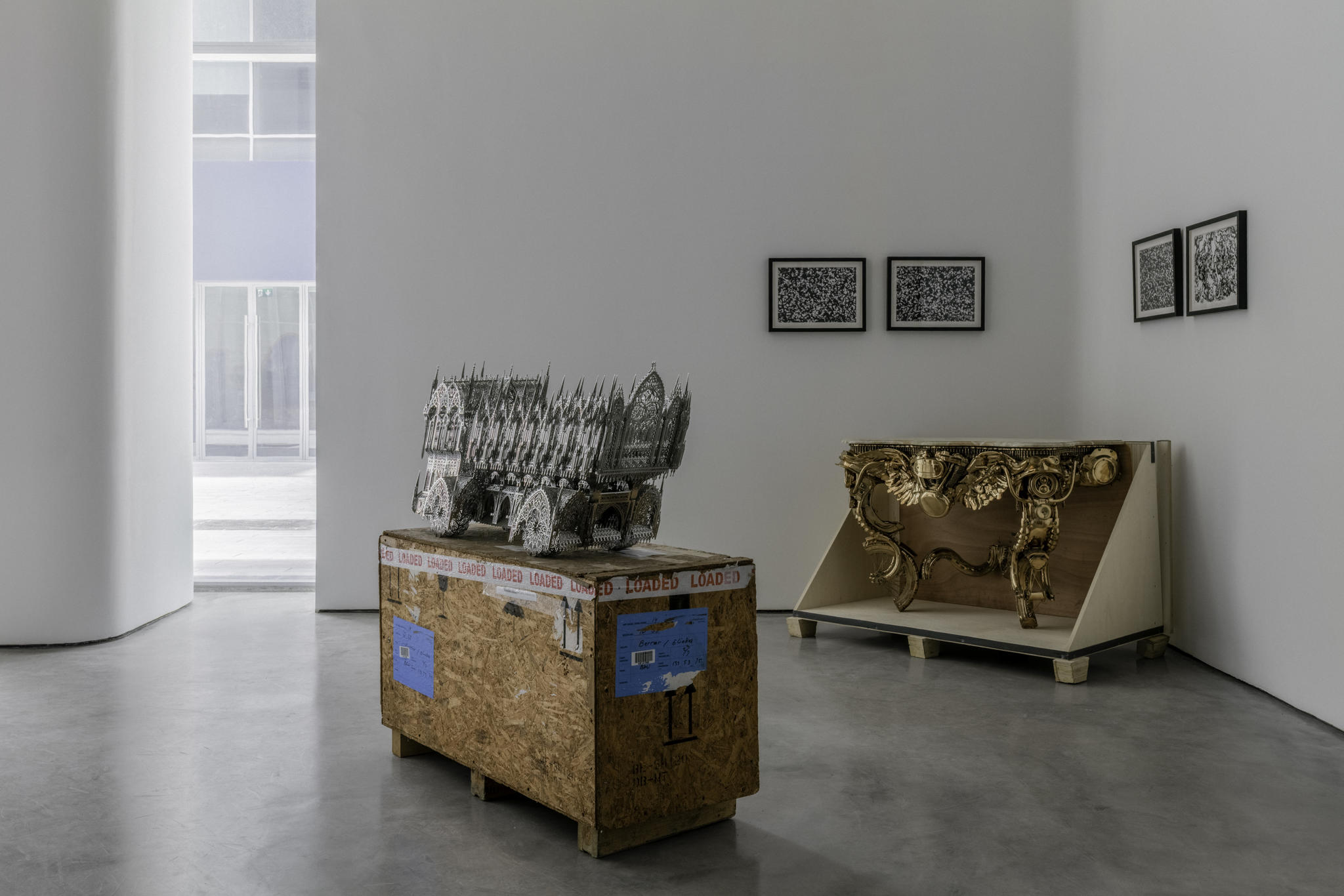
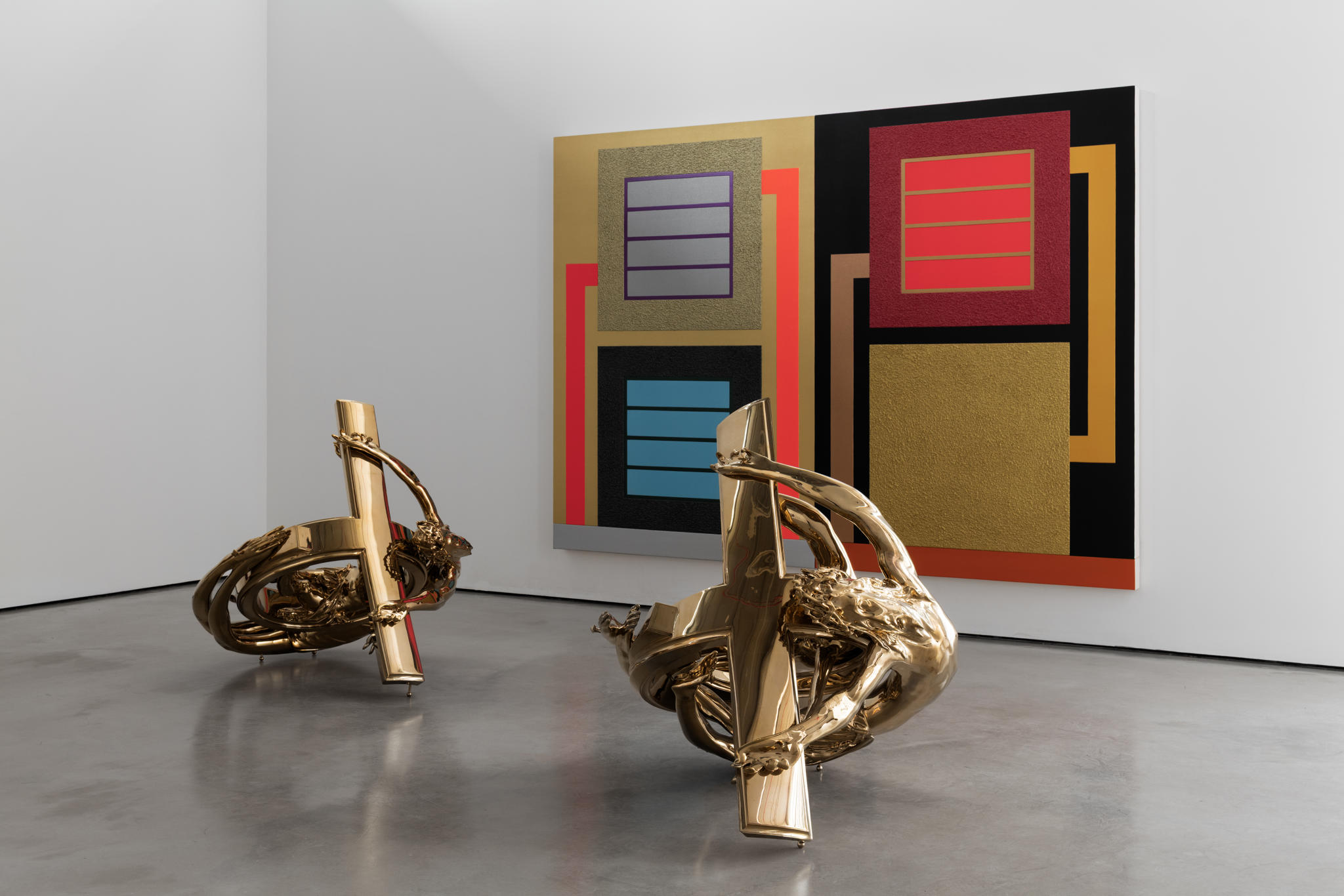
The current exhibition brings together a range of internationally recognized artists: Ron Arad, Evgeny Chubarov, Mat Collishaw, Wim Delvoye, Peter Halley, Tony Matelli, John Miller, Malcolm Morley, and Peter Saul.
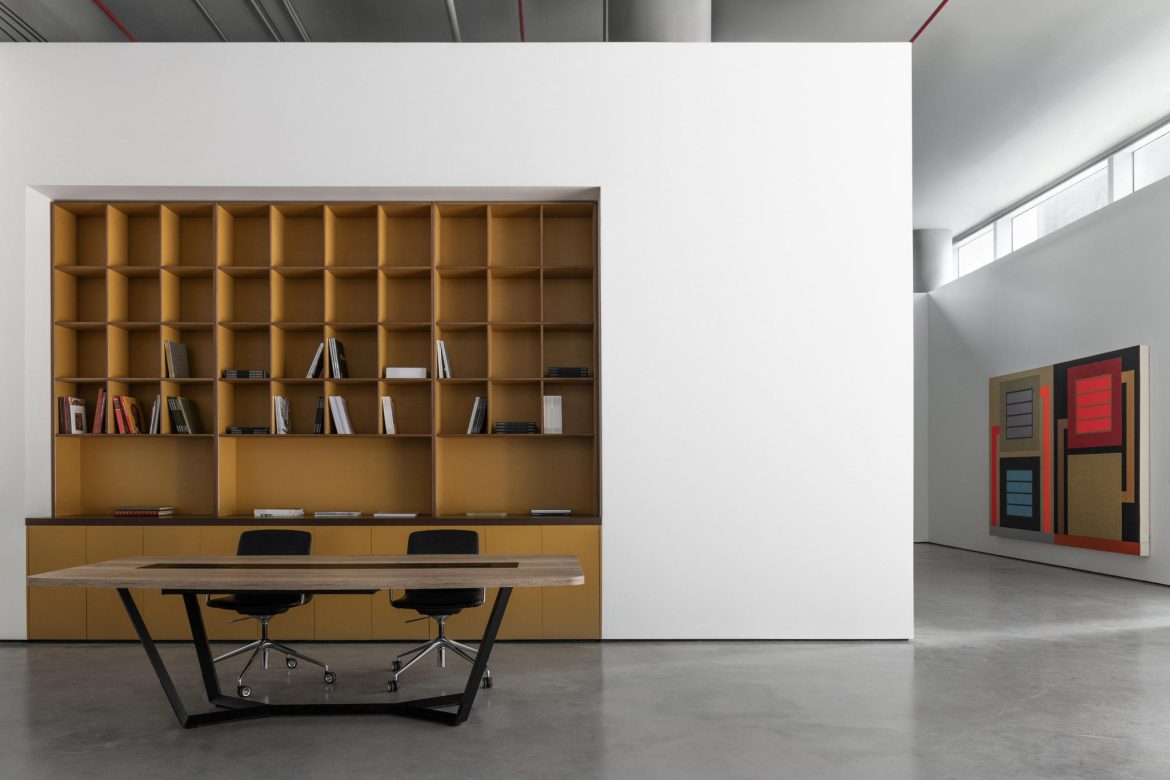
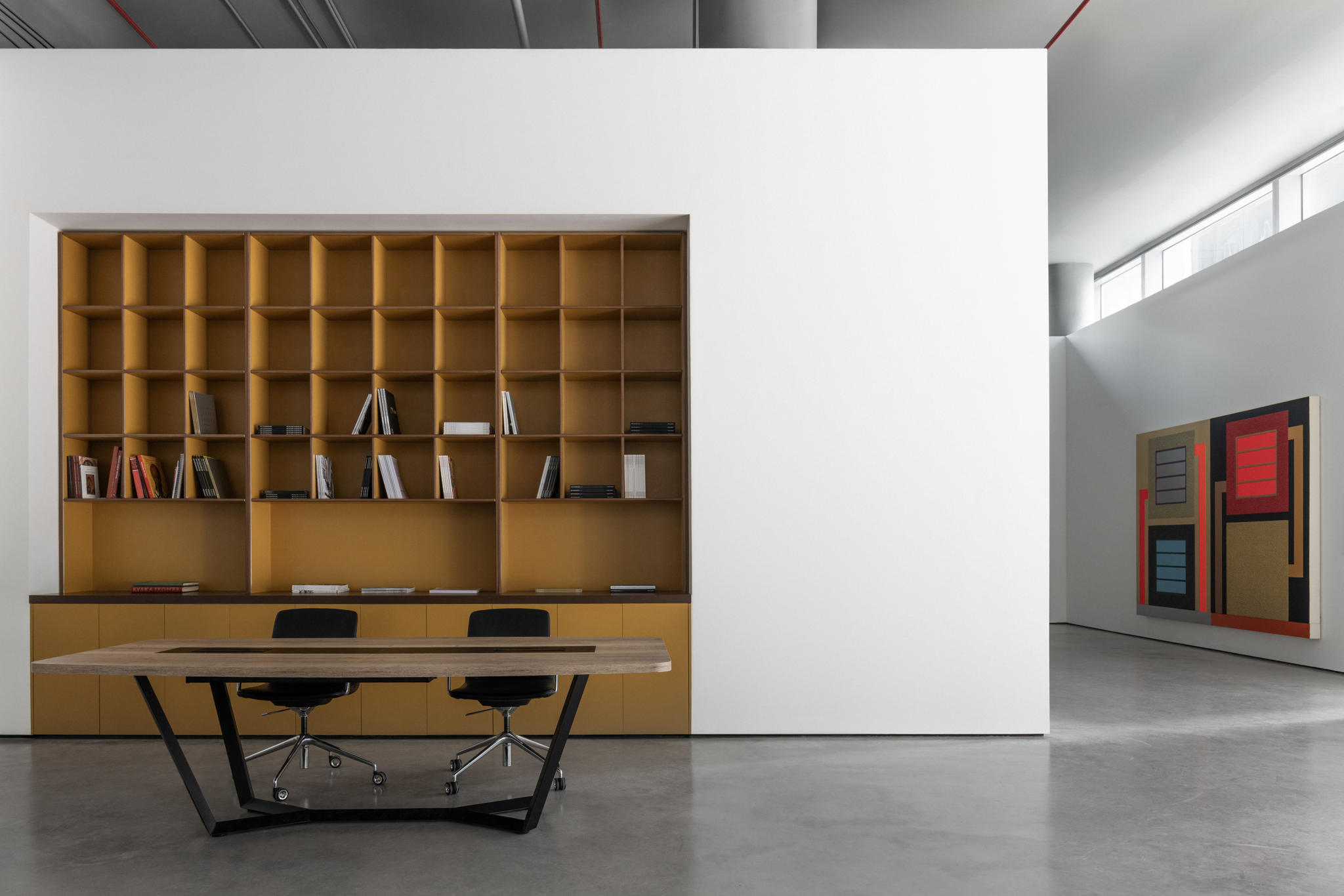
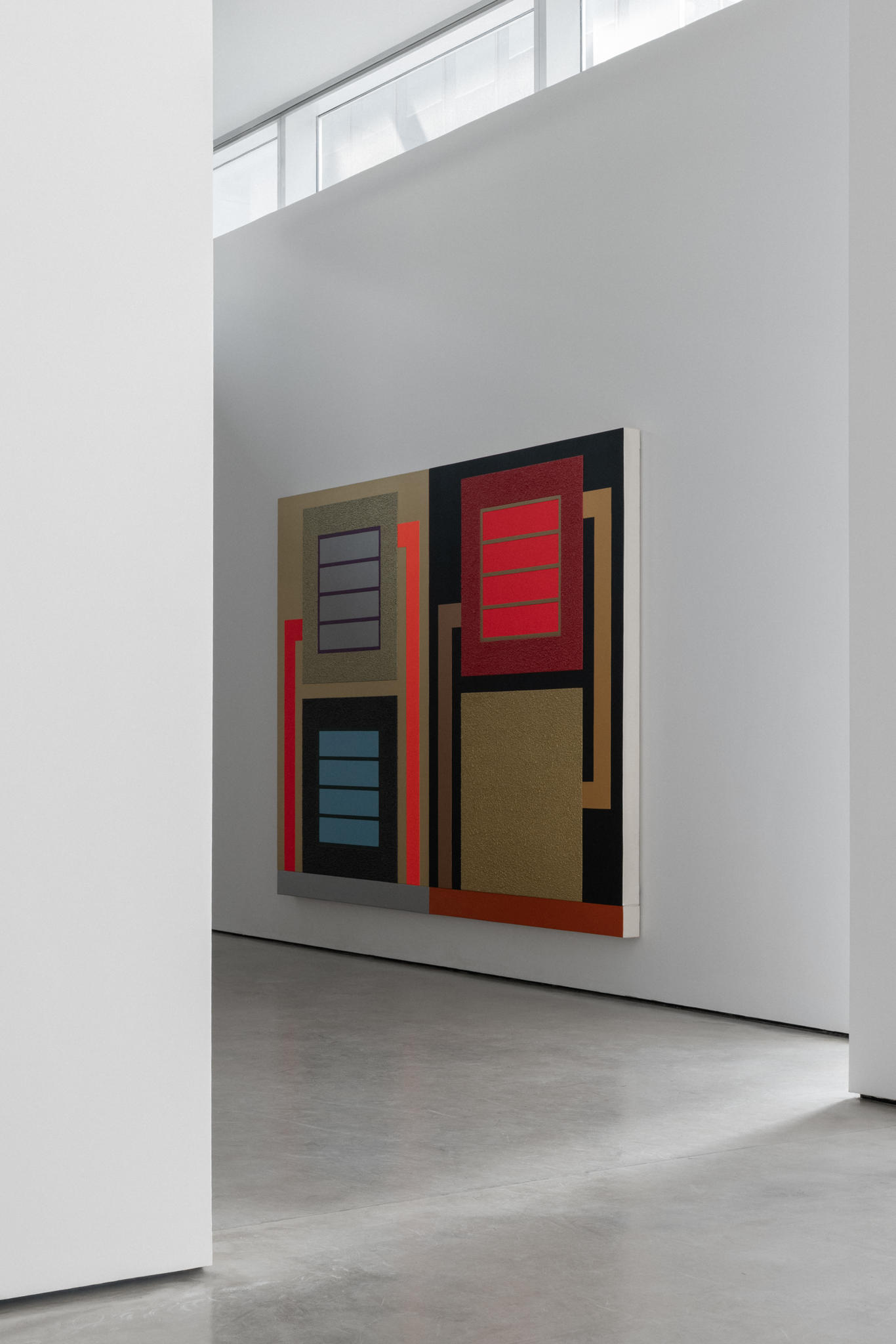
Peter Halley’s works can be understood as diagrammatic representations of contemporary space isolated cellular structures connected by systems resembling highways or digital networks. His practice also has a diaristic quality, following the transformation of these forms over time.
Tony Matelli’s sculpture Old Enemy, New Victim (2007) presents a carefully staged scene of a monkey under attack by predators. Executed in silicone, resin, and wool, the work reflects his interest in material realism. The composition recalls classical fables, where animals act as carriers of human traits. Through subtle gestures and controlled expression, the piece creates tension between observation and empathy, inviting reflection on power, instinct, and projection.
Together, the artists form a layered narrative where different artistic languages coexist within a single spatial framewor
CONCEPT
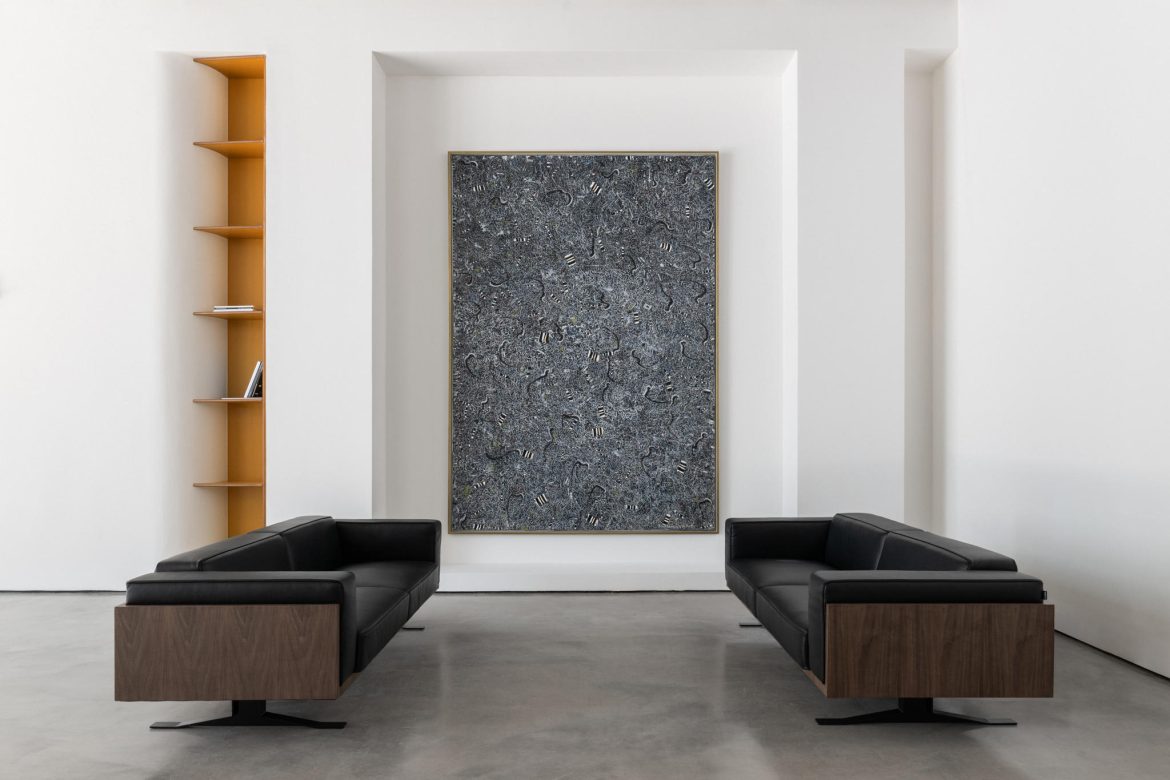
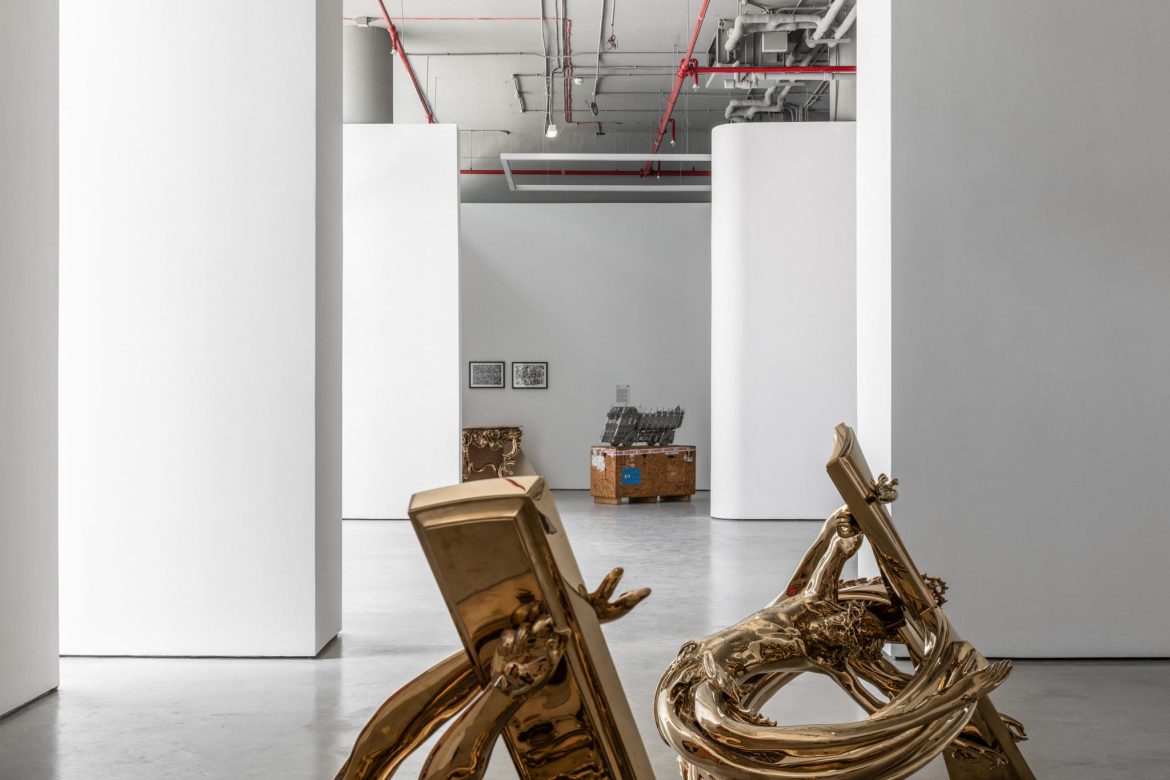
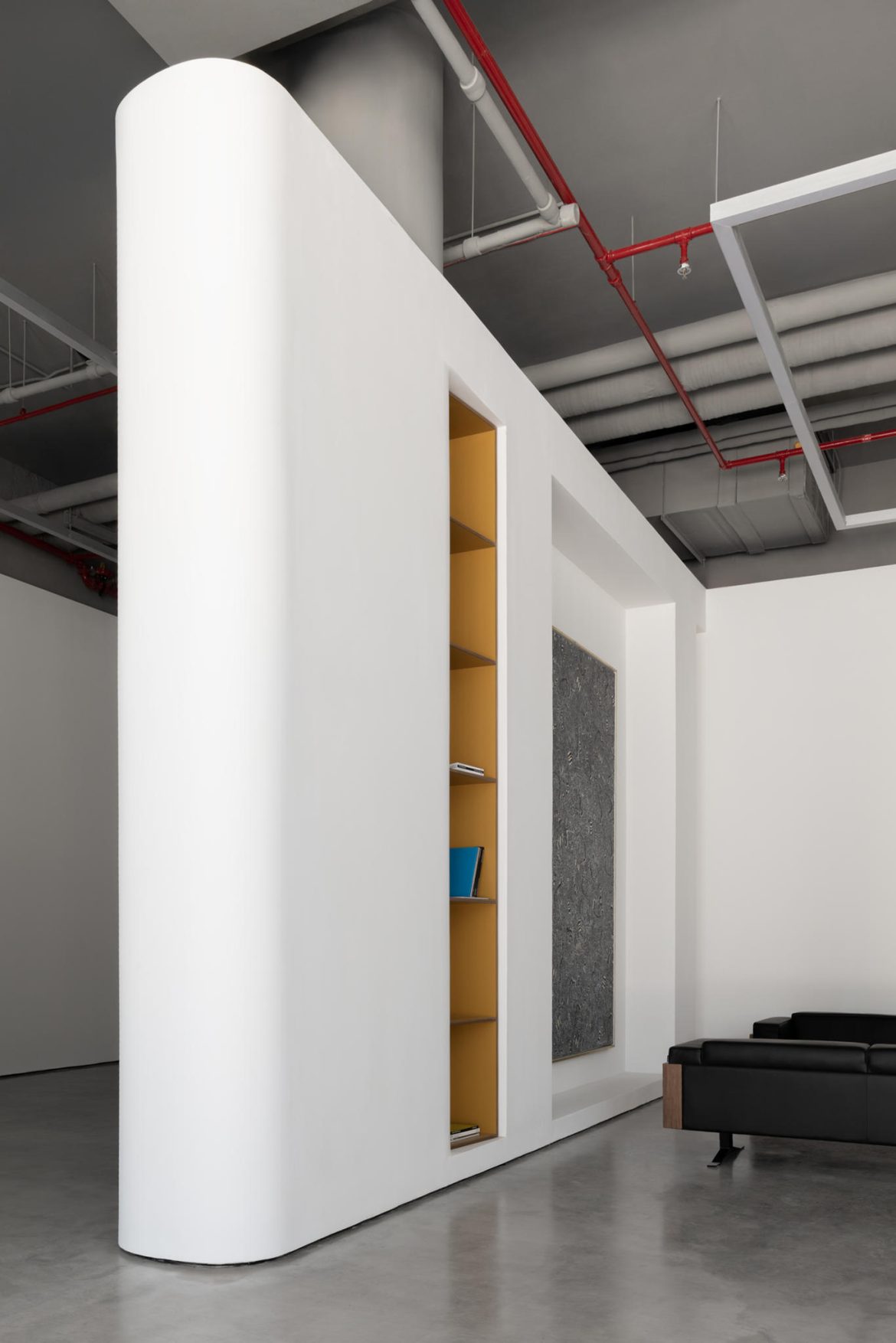
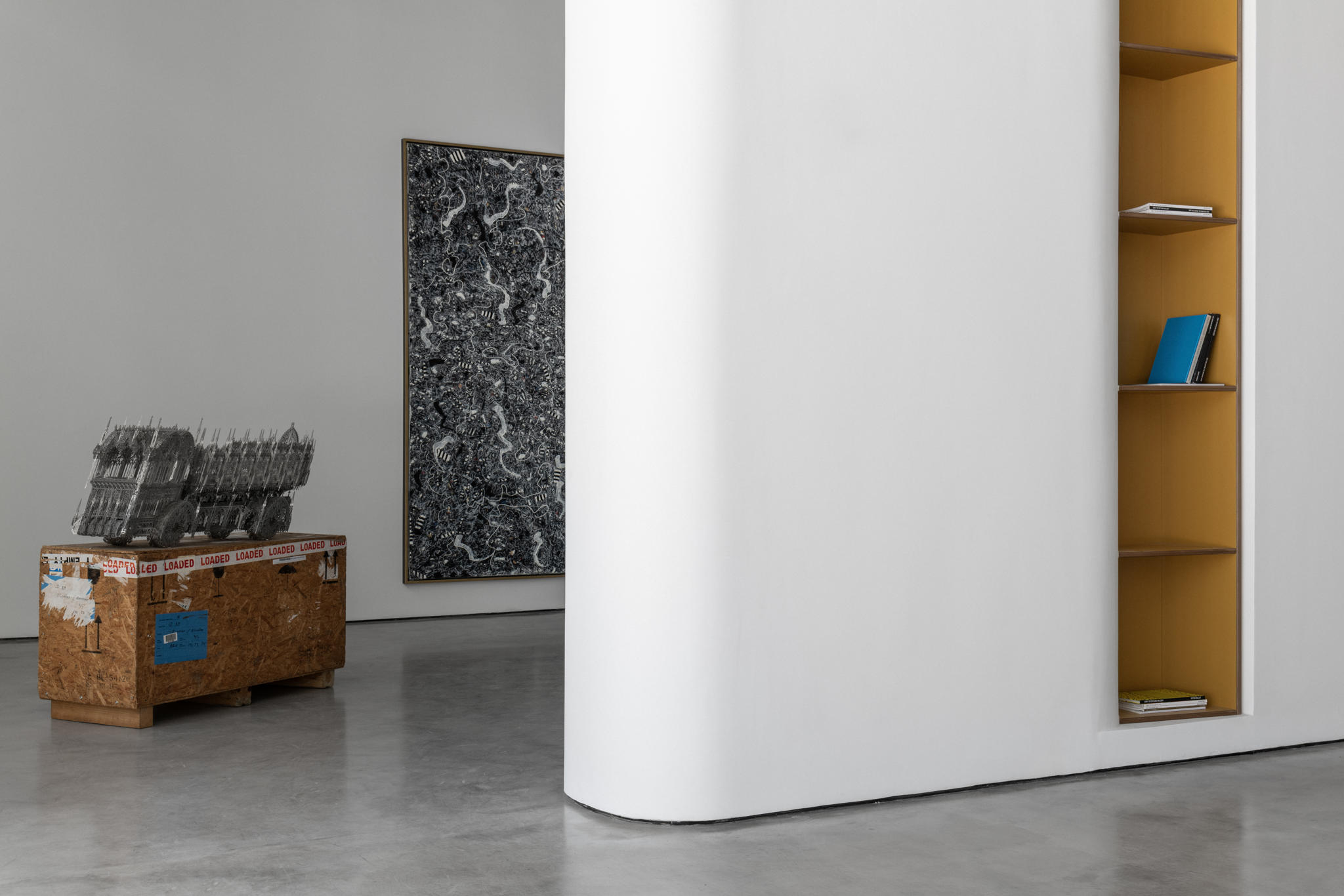
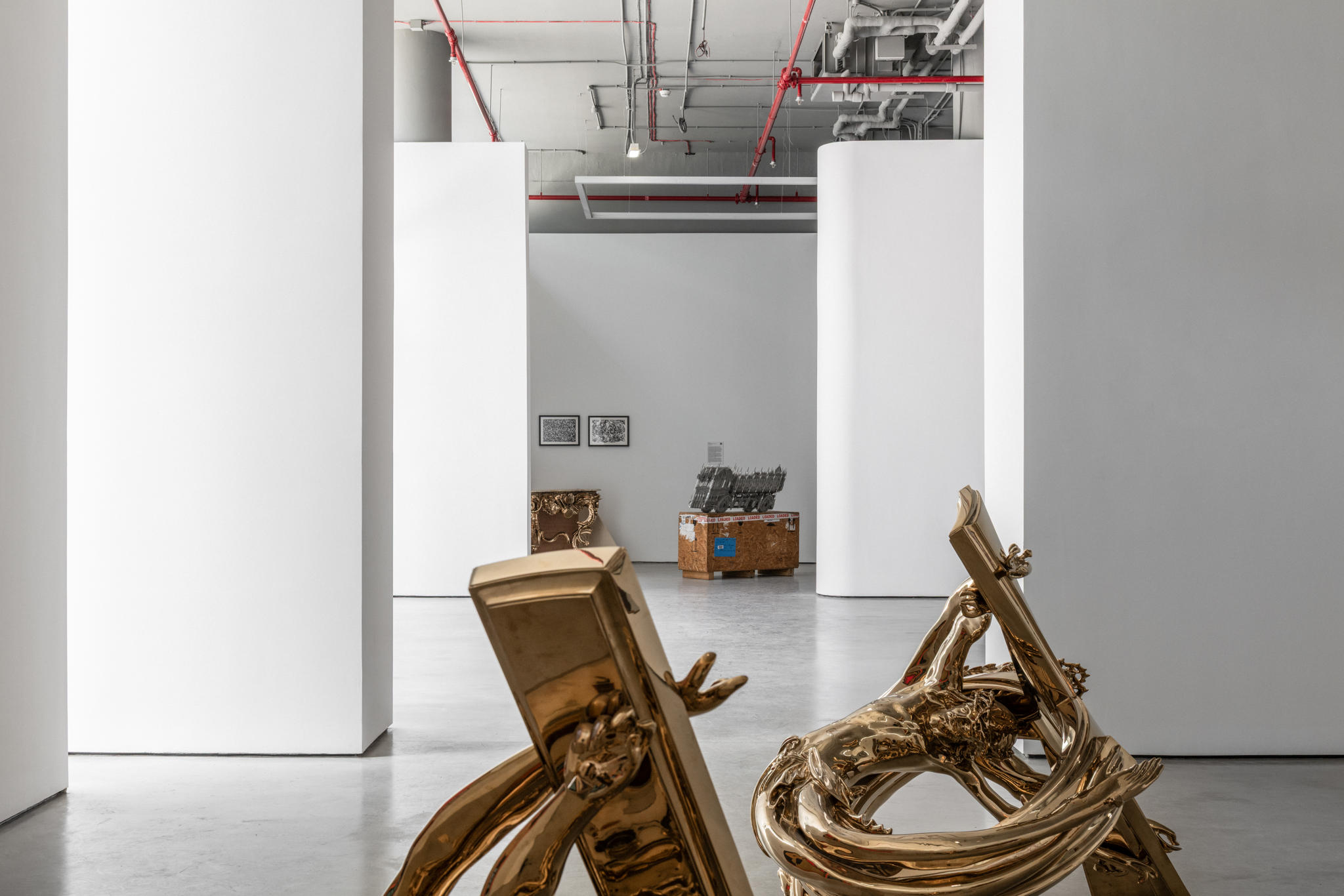
The starting point was a G-shaped layout, which we restructured into a clear rectangular volume. Part of the space was allocated for storage and a separate museum room, isolating technical functions from the main flow. The remaining area was divided into three proportional zones. This allowed us to avoid a column-based grid, which is undesirable in exhibition spaces. Instead of multiple small rooms, we focused on fewer but larger volumes. This approach gives artworks more presence and scale. The concept is based on clarity, proportion, and controlled perception of space.
DESIGN
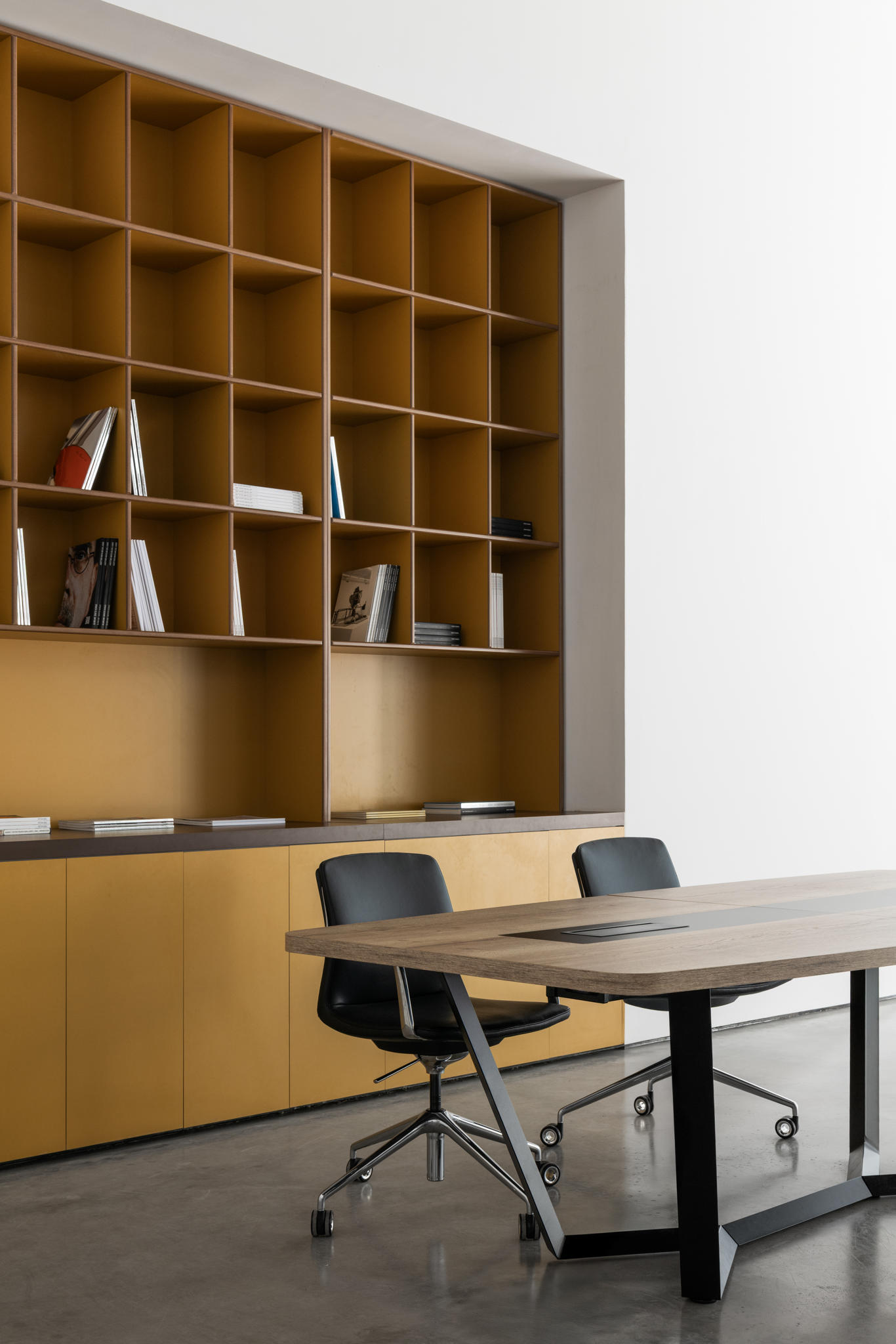
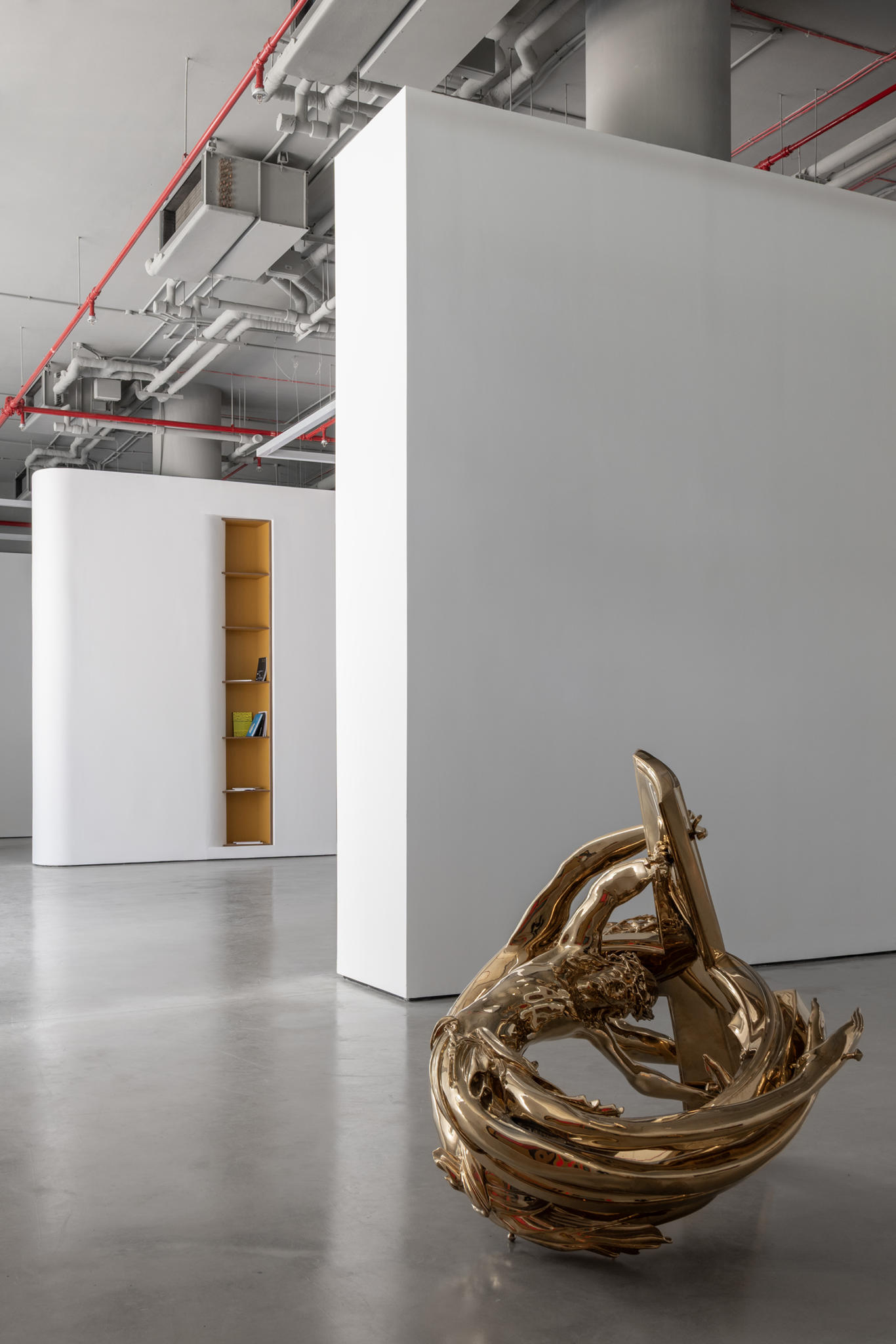
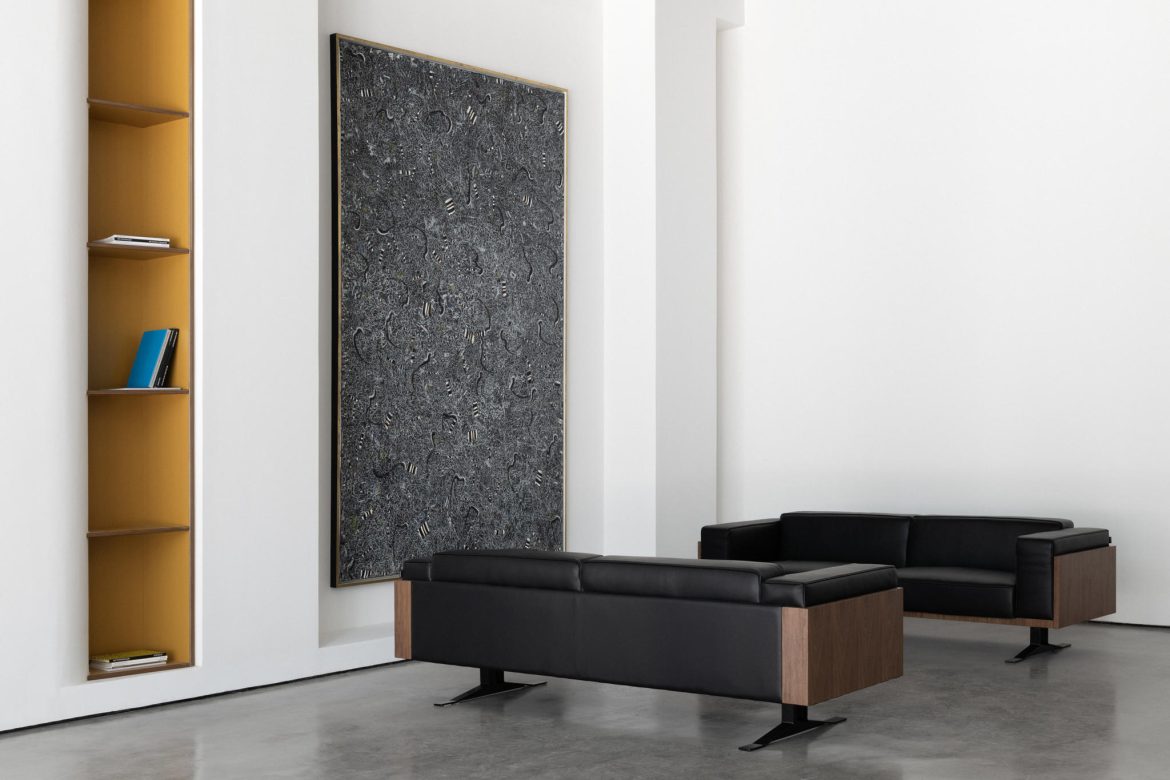
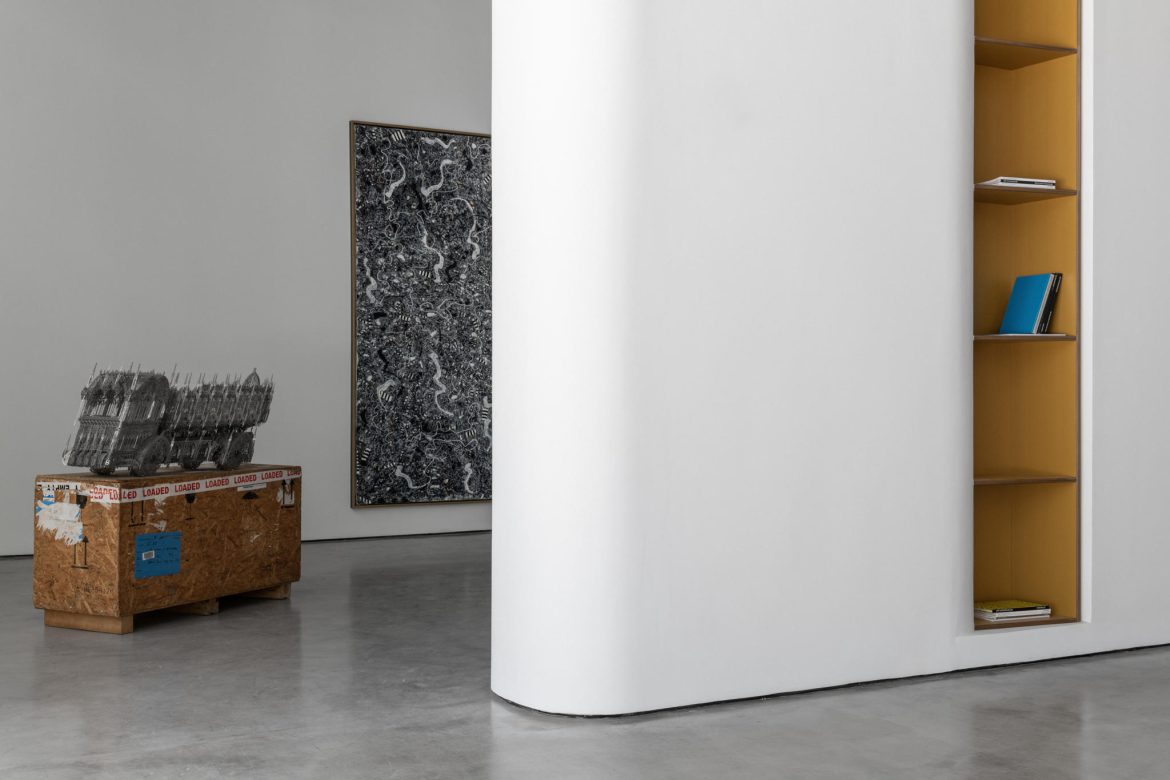
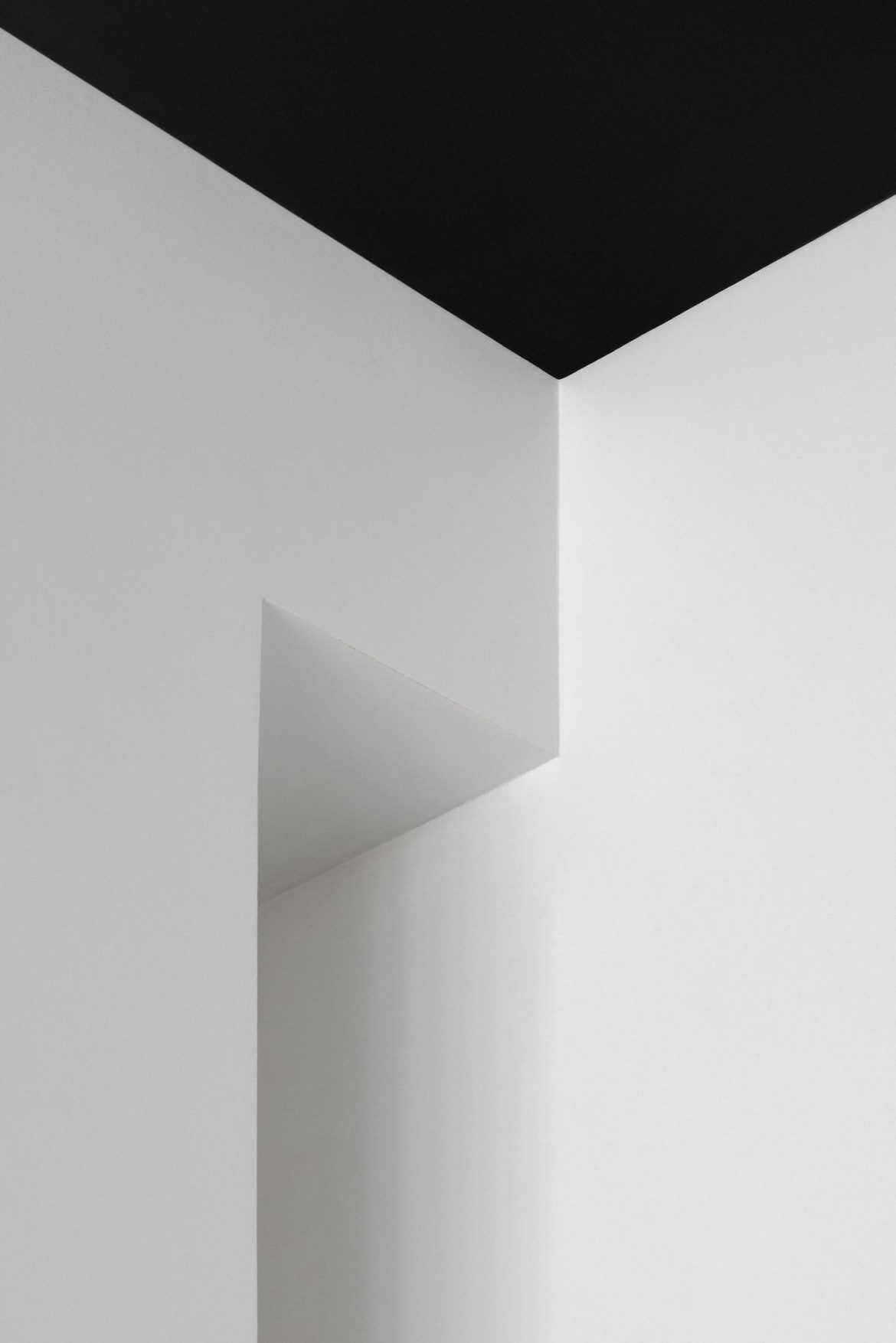
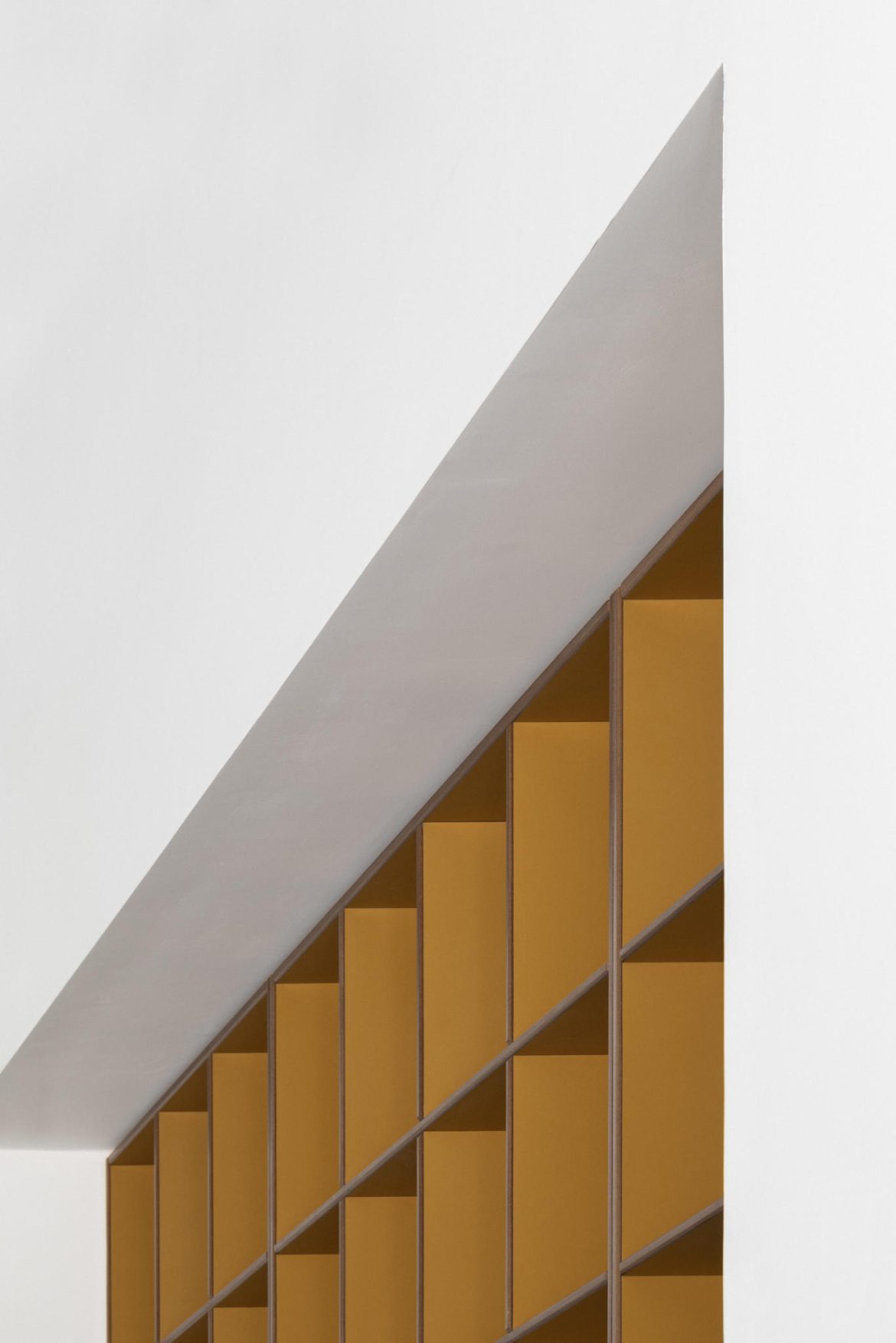
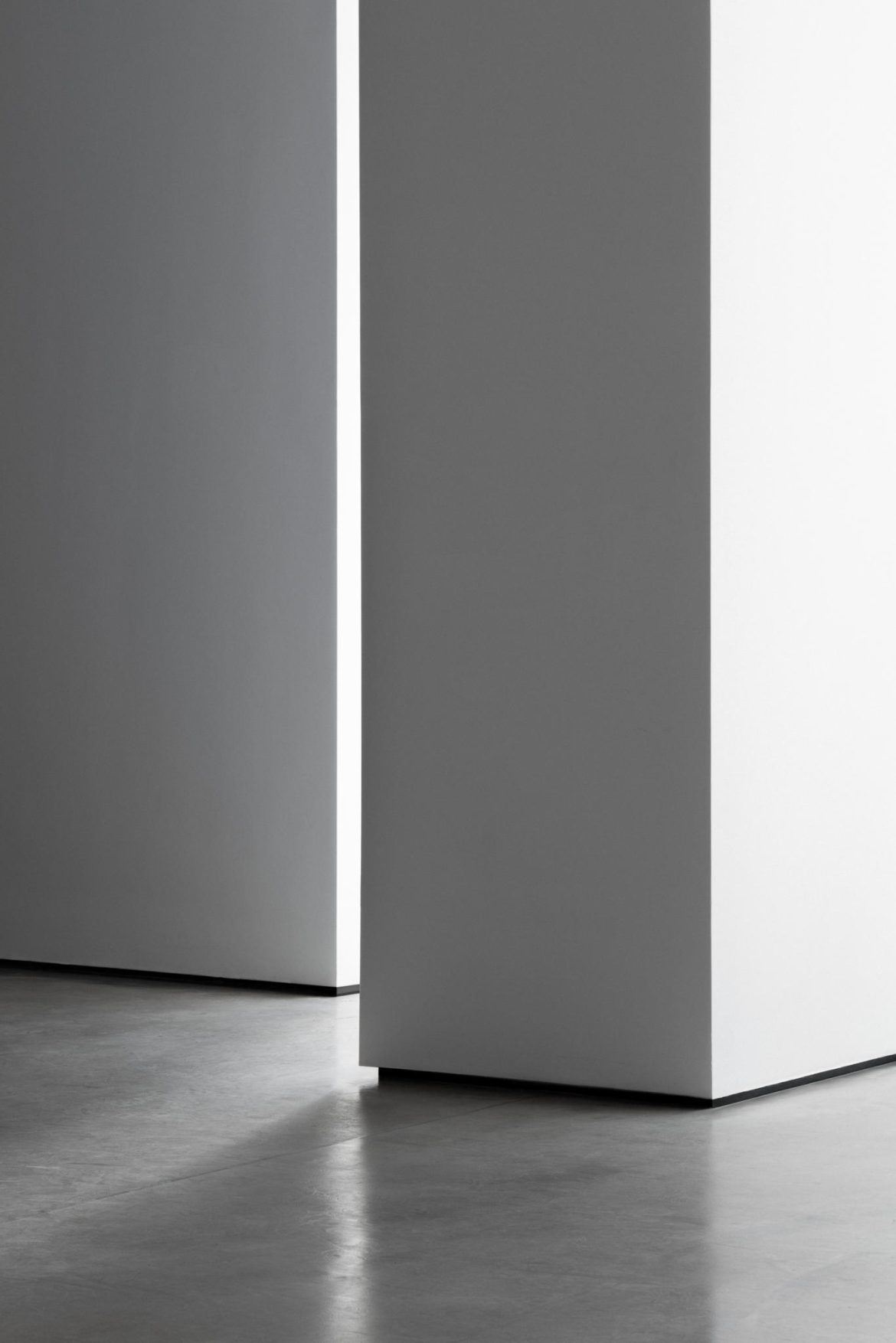
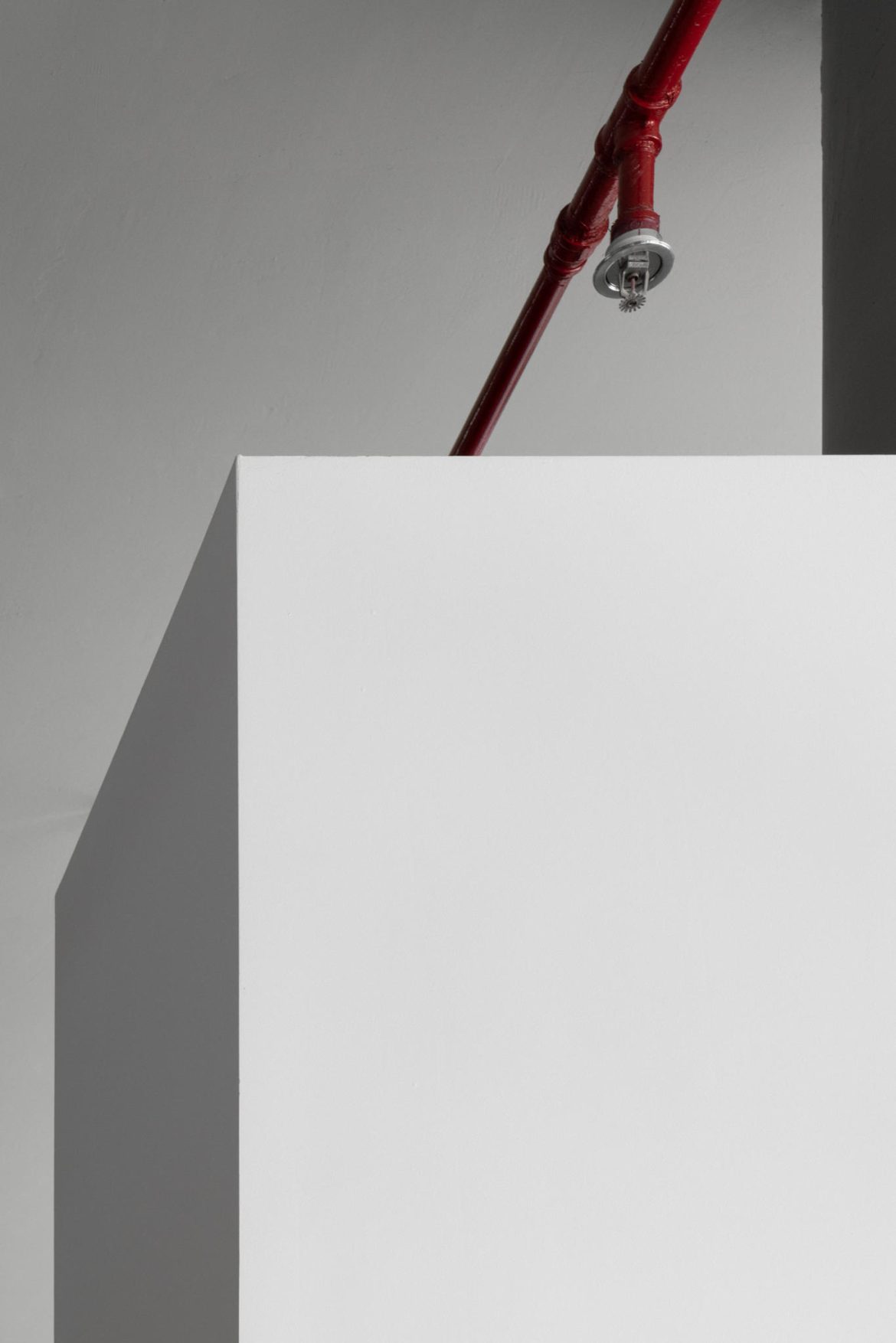
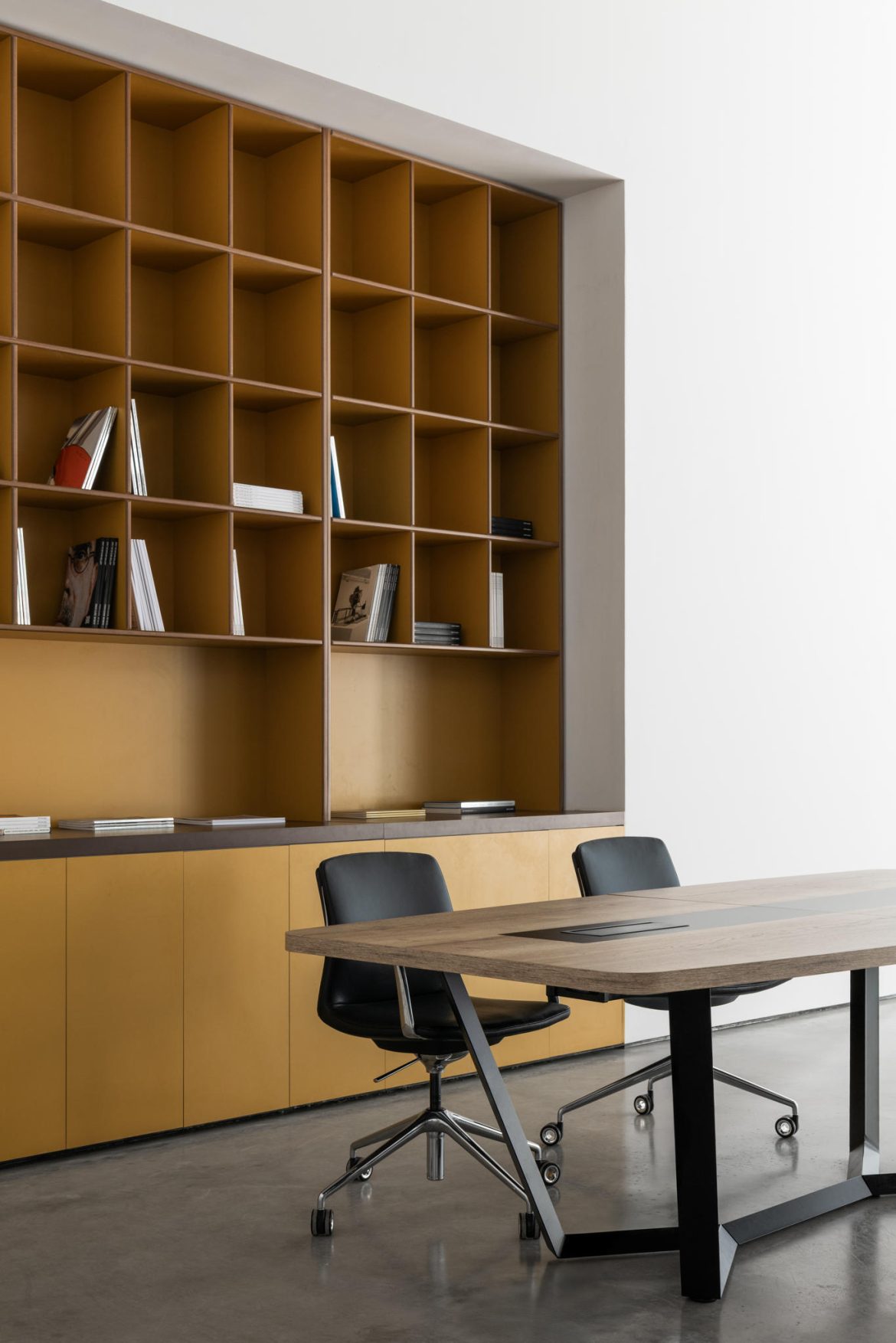
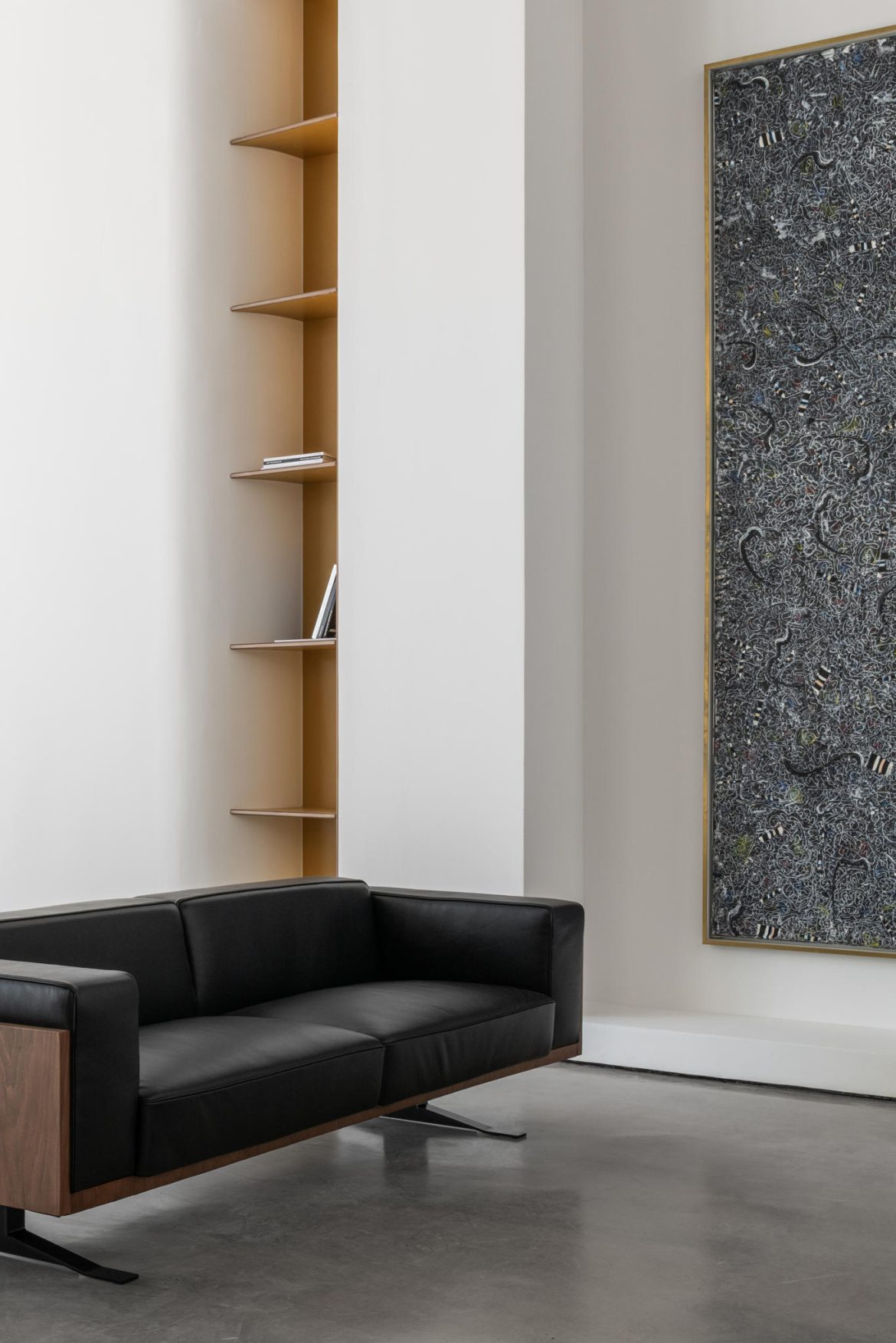
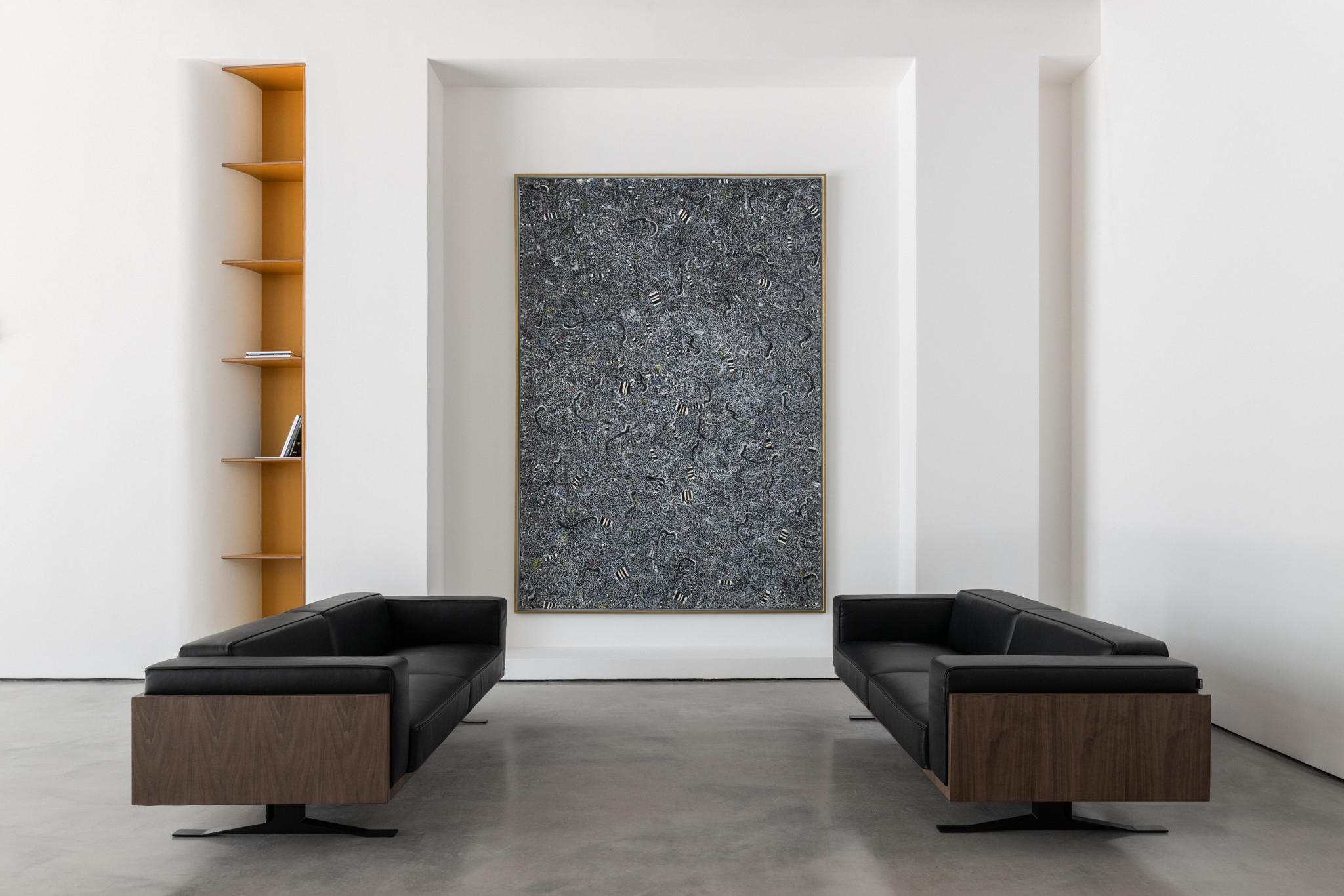
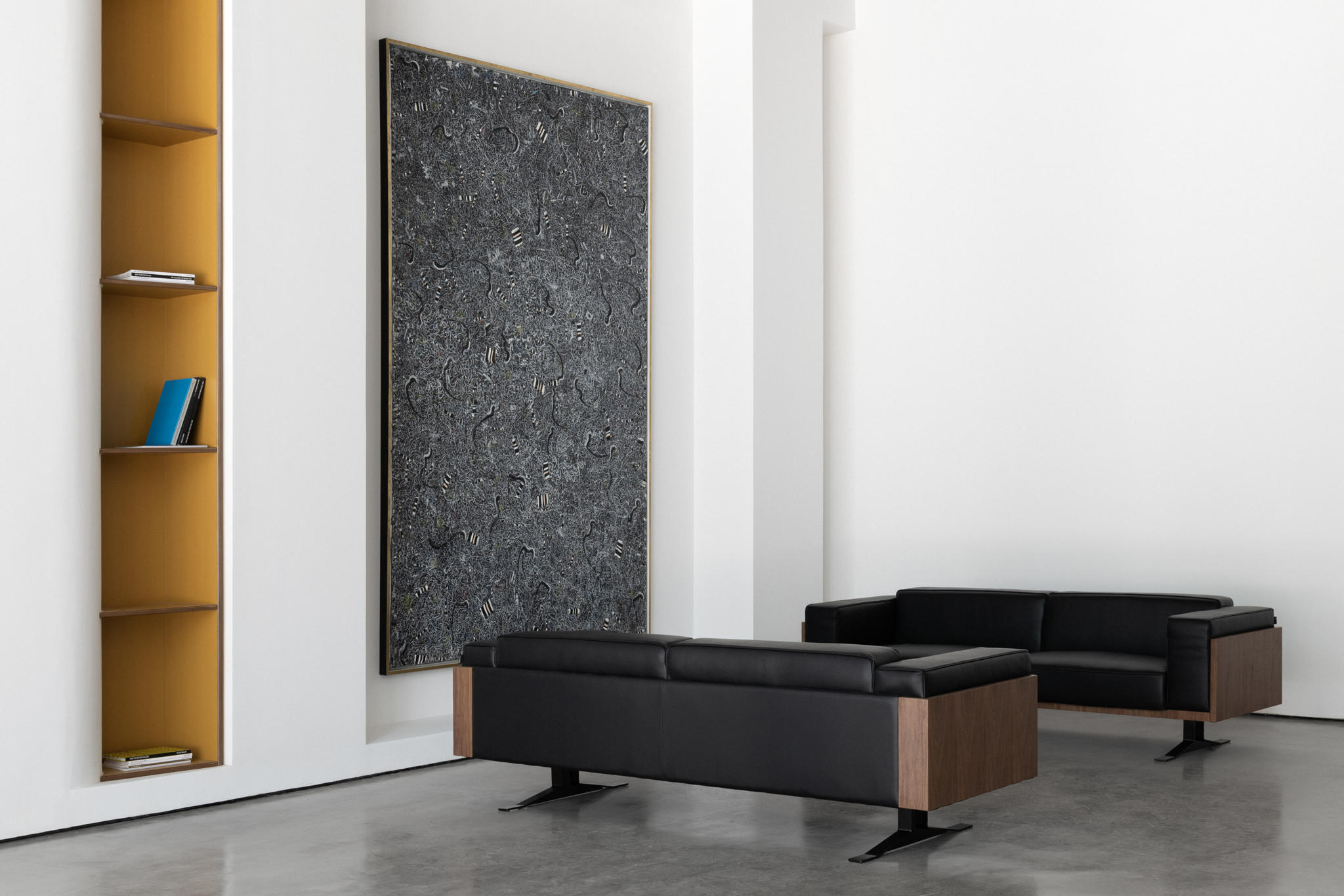
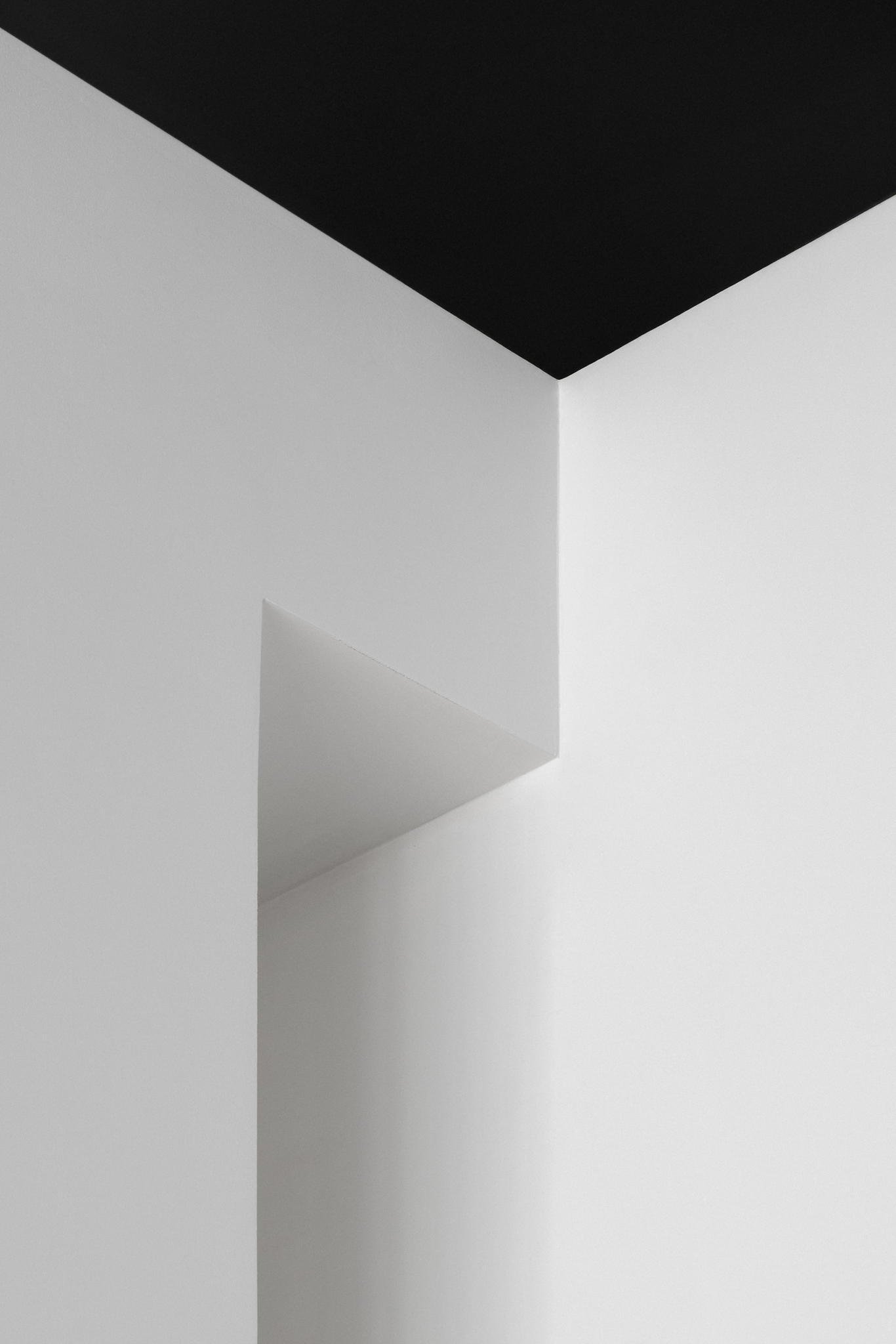
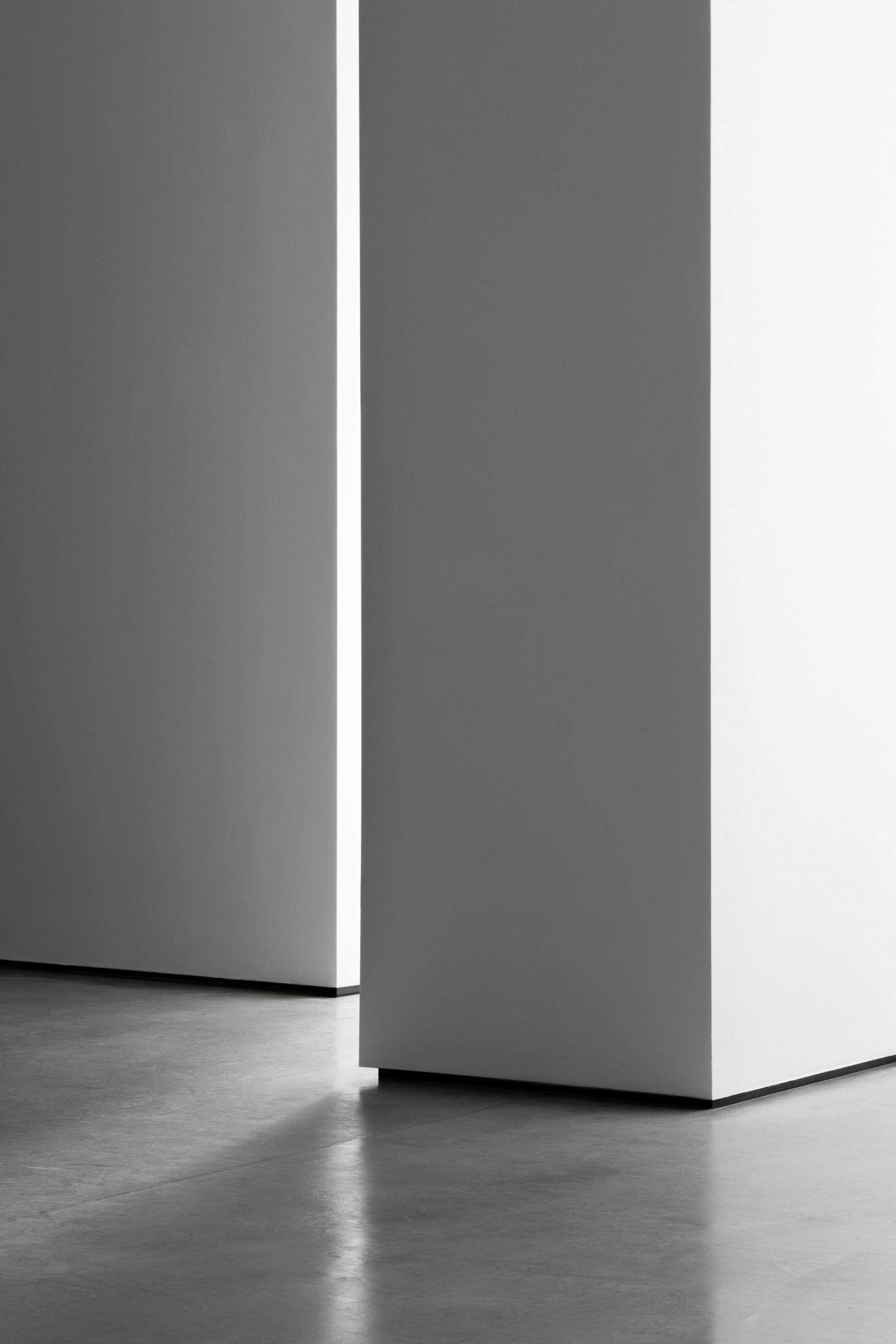
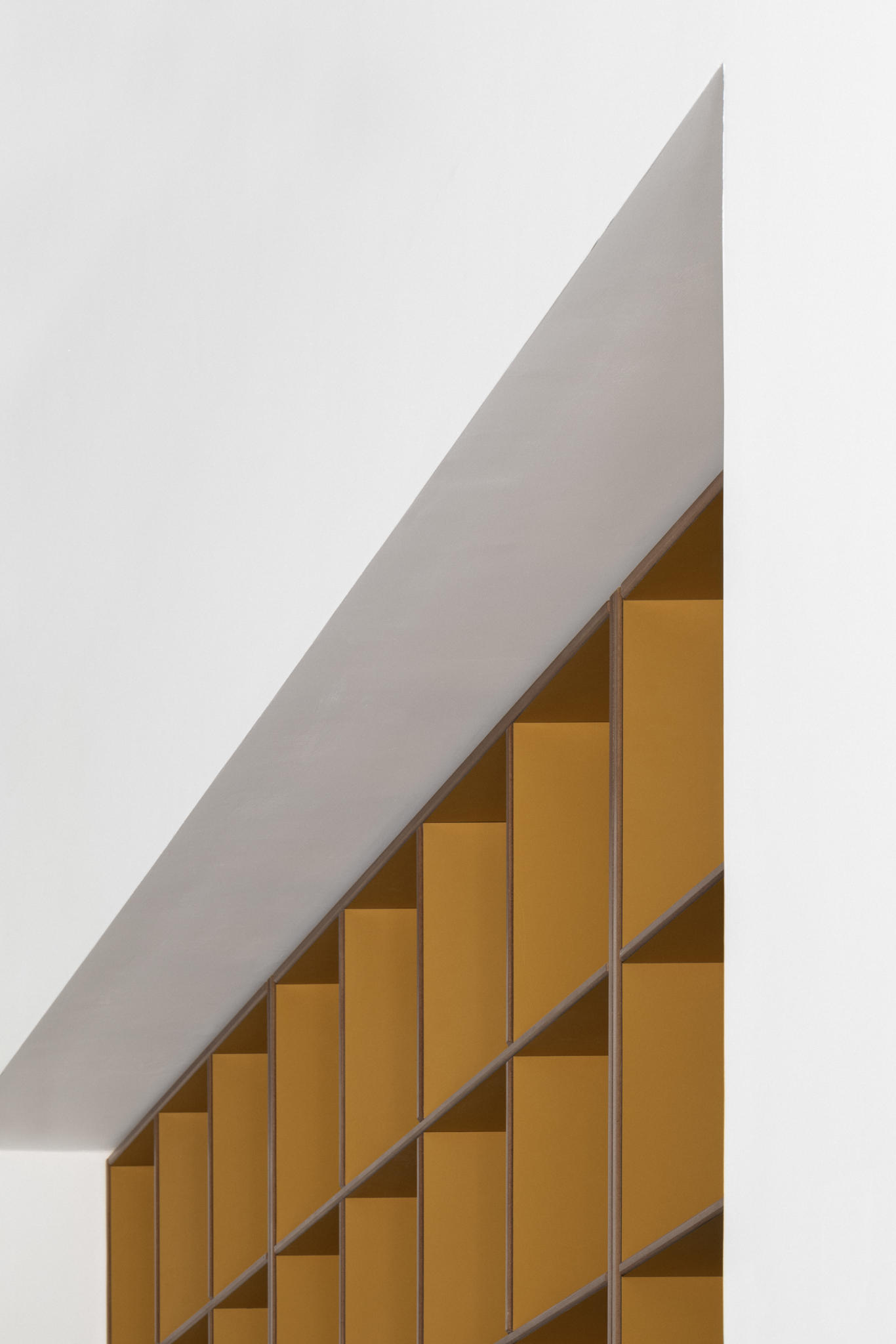
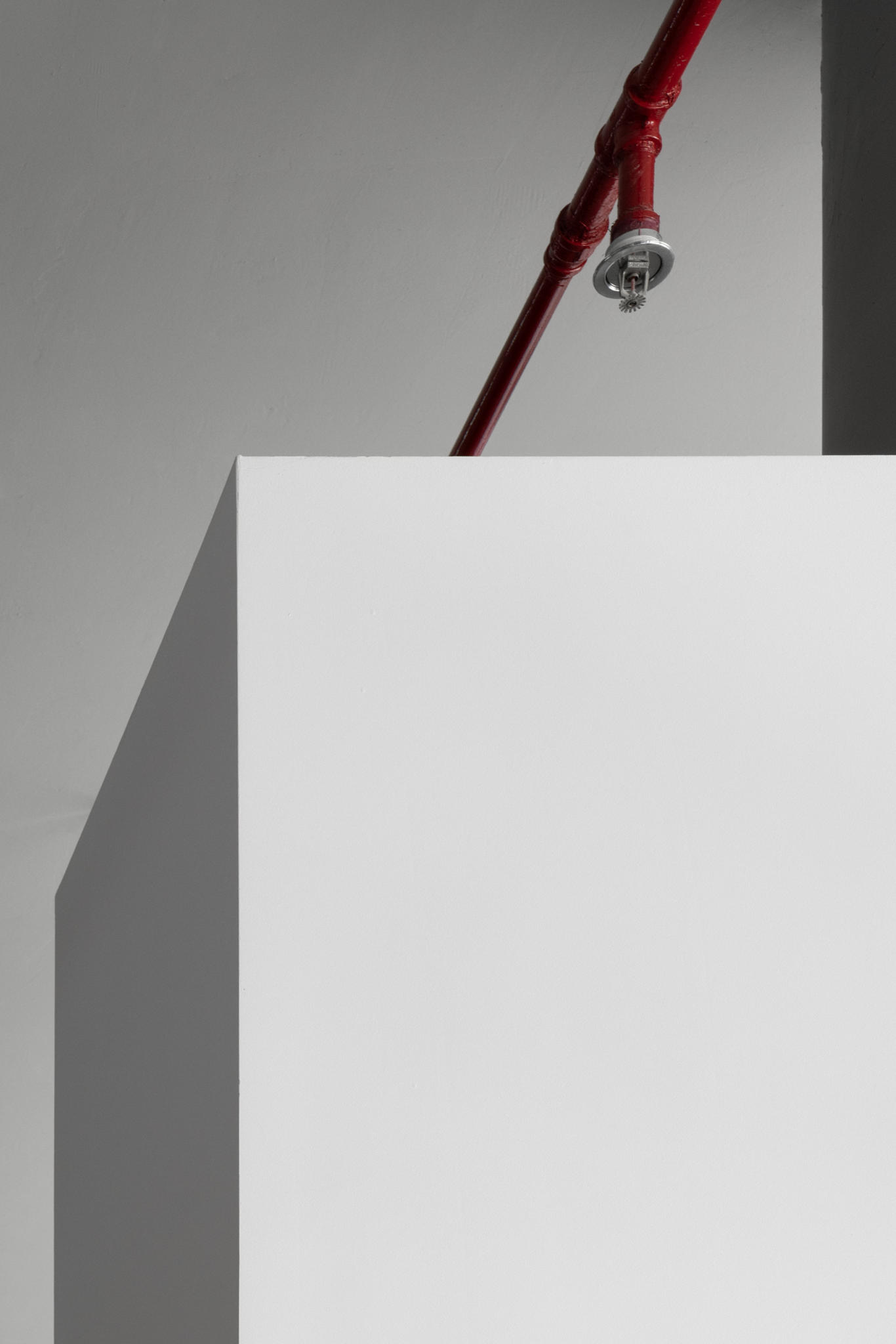
The gallery is organized into three main rooms: a central space and two exhibition halls. The central room accommodates the office, while the side rooms function as primary exhibition areas. Along the perimeter, the original windows were mostly closed to create continuous wall surfaces: a necessary condition for displaying art. At the same time, we preserved selected openings, allowing glimpses from the street and creating a sense of intrigue. The walls do not reach the ceiling, which keeps the overall volume visually unified and prevents the space from feeling fragmented. This decision allows the gallery to be perceived as a whole rather than a sequence of isolated rooms. The interior is minimal and restrained, focusing attention entirely on the artwork.
IN PROGRESS
The gallery operates as a flexible exhibition platform that adapts to different curatorial scenarios. The spatial structure allows for various configurations depending on the scale and type of artworks. Future exhibitions will continue to reinterpret the same architecture through changing content. The project was conceived as a neutral but precise framework — one that does not dominate, but supports and enhances the perception of art. The space remains open to transformation while maintaining its core spatial logic.